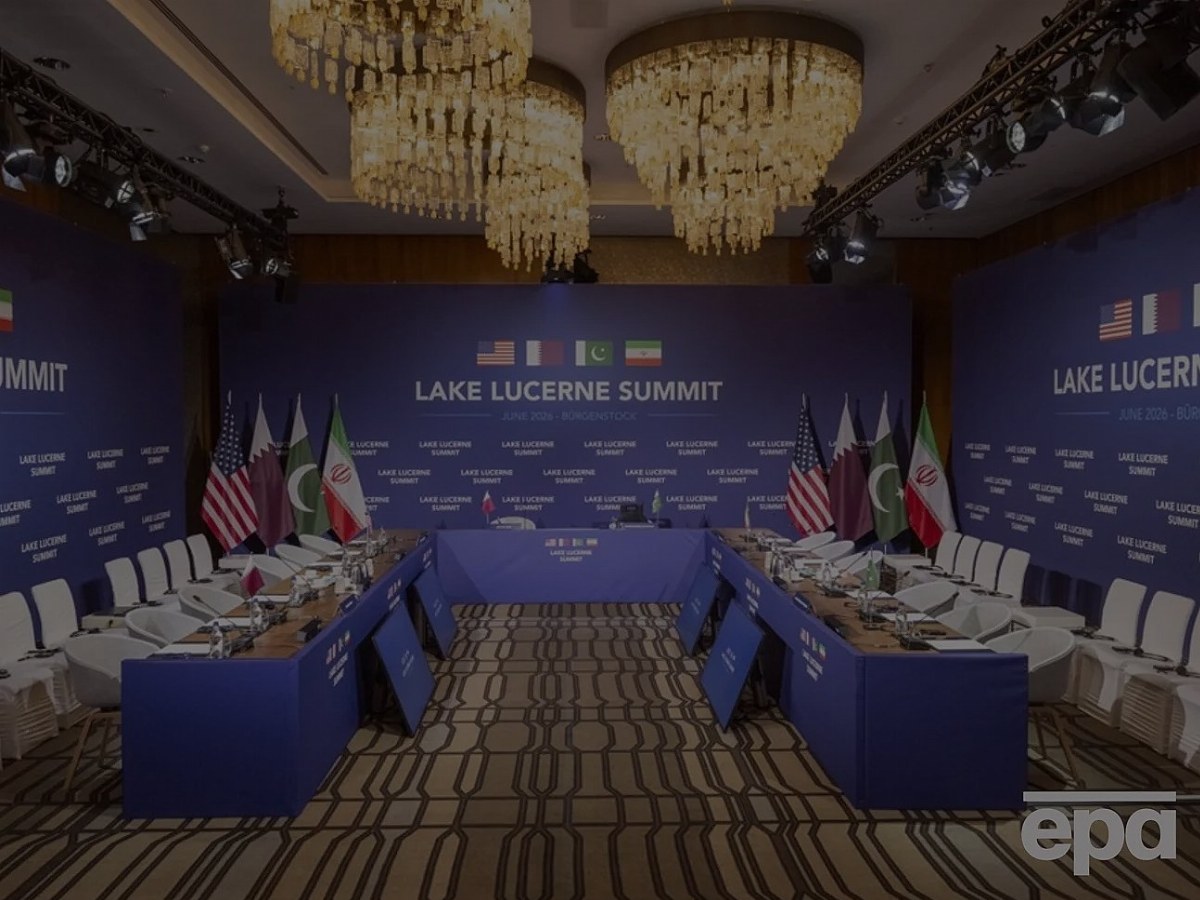
High-level negotiations between the United States and Iran are underway in Switzerland, led by US Vice President Jay D. Vance and Iranian Parliament Speaker Mohammad Bagher Ghalibaf, facilitated by Qatar and Pakistan.
This dialogue marks a significant shift following a prolonged period of military escalation in the Middle East. Reports indicate that discussions focused on security in the Strait of Hormuz and a memorandum of understanding, particularly highlighting issues related to Lebanon, where Israel recently conducted a major airstrike.
Iranian media outlet IRIB dismissed claims from some foreign news agencies suggesting that nuclear program discussions occurred between the US and Iranian negotiators. CNN had mentioned the nuclear program, but IRIB clarified that the talks concentrated on implementing the Islamabad Agreement, with Lebanese issues prioritized.
During the negotiations, Vance announced that they achieved “significant progress” within just a few hours. He described the meeting as historic, noting that it was the first high-level contact between American and Iranian leadership in recent months. The goal of the talks is to reshape the Middle East through diplomacy and cooperation for peace and prosperity.
However, Iranian news agency Tasnim reported that the Iranian delegation declined a planned handshake ceremony and joint photo with the American team, stating that their representatives opposed these formalities.
Additionally, Iranian state media Press TV reported that the Iranian delegation protested to the US side and is considering appropriate responses to verbal threats made by President Donald Trump.
Context
- On May 28, the US and Iran agreed to a 60-day ceasefire memorandum and discussions on Tehran’s nuclear program. On June 1, President Trump confirmed he met Iran’s condition for halting hostilities between Israel and Lebanon.
- On June 14, Reuters released a draft memorandum of understanding between Iran and the US, covering topics from Tehran’s nuclear program to restoring navigation in the Strait of Hormuz. The final agreement will be discussed over the next 60 days.
- On the evening of the same day, Pakistan’s Prime Minister Shahbaz Sharif announced that the US and Iran reached a peace agreement after intensive negotiations, which Trump confirmed on social media platform Truth Social.
- In the early hours of June 18, the US and Iran signed a memorandum of understanding to end the conflict. Axios revealed details indicating the agreement is significantly more modest than the terms previously deemed necessary by Trump for resolving the Tehran conflict.