— In the Czech Republic there is no one left to supply hard coal – Barbora Czerna Dvorzakova, spokeswoman for the Ostrava-Karviná Mines (OKD), told journalists.
She added that the last power plant using this raw material in the Czech Republic was closed last year, and coal prices are too low to cover the costs of extraction. Production fell from 35 million tonnes in 1989 to less than 1.2 million tonnes in 2025.
As market expert Jakub Wiech recently pointed out, Poland is thus becoming the last bastion of hard coal in the European Union.
The end after 250 years
Mining in the Ostrava area began in the late 18th century and turned this part of Austria-Hungary into a highly industrialized region of the Habsburg Empire. They invested in mines and metallurgical plants, among others. The Rothschilds. Thanks to them, railway lines and infrastructure were built, attracting thousands of new residents and workers to the Karviná and Ostrava region.
After the Communist Party of Czechoslovakia took power in 1948, the importance of the region in the country's economy even increased. In 1989, 100,000 people worked in the industry. people. The mines supported sports clubs and financed recreation for entire families.
Changes came with transformation. The “invisible hand of the market” forced the closure of subsequent mines. Already in 1991, after 200 years of operation, the Jindrzich mine was closed. The next ones were the Jan Szverma and Herzmanice mines, as well as Ostrava and Odra. In the mid-1990s, approximately 50,000 people worked in mining. people.
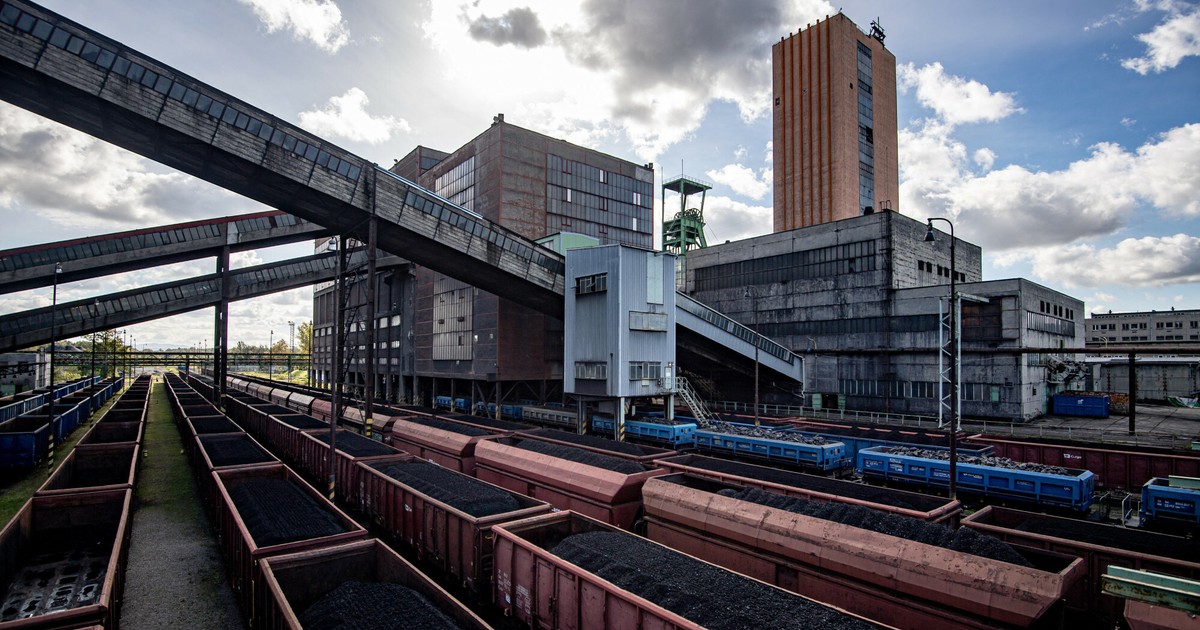
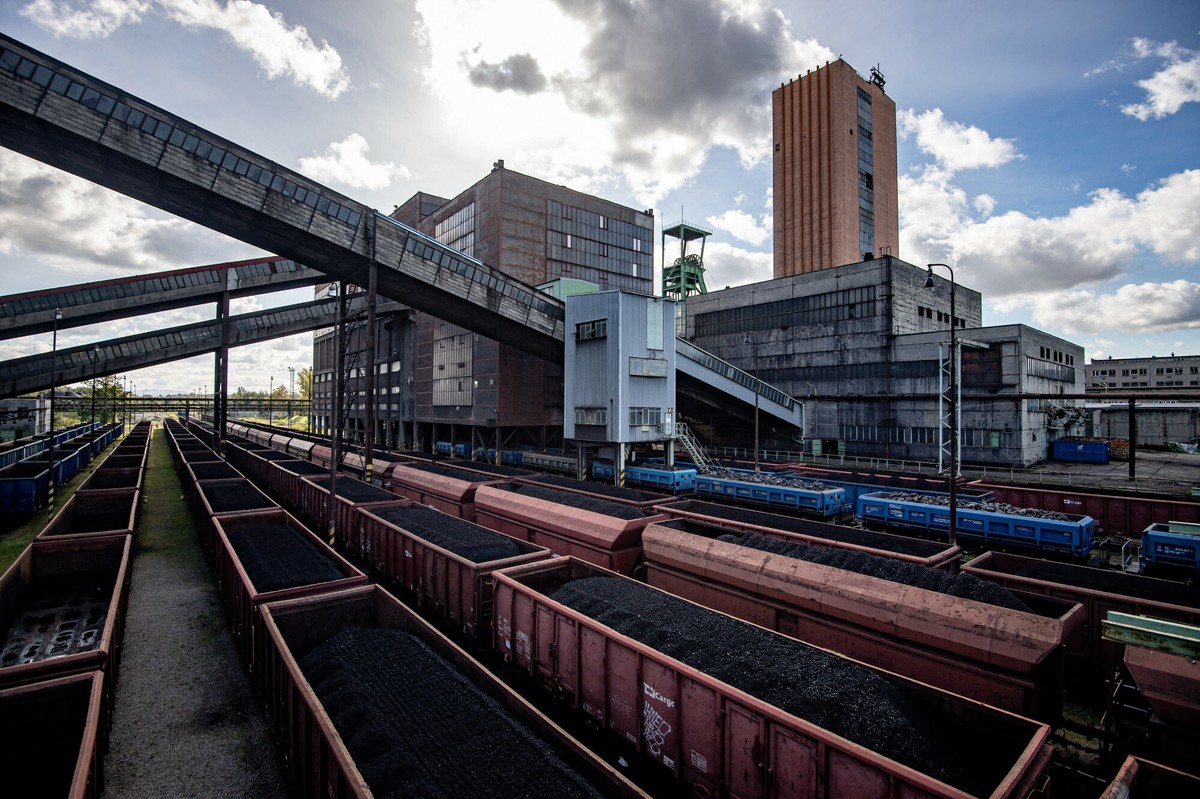
In the Ostrava-Karvina Basin After 2021, there is only one mine left – CzSM in Stonawa, right next to the border with Poland. It was also supposed to be liquidated soon, but its operation was prolonged by the war in Ukraine. After the Russian aggression, the demand for hard coal increased and prices soared. This situation did not last long and the authorities decided that the final end of mining would take place in early 2026.
See also: Coal consumption remains stable. By 2030 it may decline slightly
A new use for the mine
Several hundred people are expected to work in the closed mine, dismantling equipment, backfilling corridors and tunnels, and preparing CzSM for its new role. It is planned the use of methane found in the mine, which, due to its flammable properties, was a curse, not a hope.
The greatest mining disaster in the entire history of the Zagłębie region occurred in 1894. 235 people died in the Franciszek and Jan Karel mines. The tragedy was described in Karen Lednicka's best-selling novel “The Crooked Church”. After the war, the most tragic mining disaster was a fire in the Dukla mine in Hawierzów, where 108 miners died. Years later, in 2018, a film was made about the tragedy, documenting the mistakes in the rescue operation.
On December 20, 2018, a methane explosion occurred in the CzSM mine in Stonawa at a depth of 880 m. 13 miners died – 12 Poles and one Czech. The OKD Foundation and the Saint Barbara Association rushed to help the families, including the orphans who died tragically. OKD assures that benefits will continue to be paid. — The association gives children money for education, interest groups, talent development and health stays, said the OKD spokeswoman.
The last mine in the Czech Republic, CzSM was the youngest in the entire Ostrava-Karviná Basin. The first cart of coal left it on December 19, 1968. The raw material was obtained from a depth of 570 m. On the occasion of the end of mining, several interesting facts from the history of the mine were recalled. In 1991, the then president of Czechoslovakia, Vaclav Havel, visited there. One wedding and one reception took place there. — The groom wore black and the bride wore white denim. An application was signed in the presence of a notary to enter the Guinness Book of Records for marrying and playing the violin in the deepest place in the world, said Czerna Dvorzakova.
February 4 this year A symbolic ceremony will take place in Stonawa, bringing to the surface the last cart of coal from CzSM, the Ostrava-Karviná Basin and the entire Czech Republic. In Ostrava, miners in ceremonial costumes accompanied by bands will march from the town hall to the cathedral. A mass will be celebrated there for the miners' victims.