On Russian staff maps, Kupyansk – a large railway junction in the Kharkiv Oblast – has been listed as “liberated” for two months now.
At least since November, commanders have reported to Vladimir Putin about its capture several times. In fact, there are still about a hundred Russian soldiers hiding in the main part of the city; the rest were driven out by the Armed Forces of Ukraine (SZU).
However, this does not prevent Russian commanders from sending more people every day through the old gas pipe that runs under the Oskol River.
Last summer, prisoners of war told Ukrainian soldiers about this pipeline. Then the Armed Forces were one step away from losing Kupiańsk, and the units defending it appealed to the command to urgently send well-trained units.
This is what happened: at the end of September, Ukrainian troops launched a full-scale counteroffensive and virtually liberated the city by December. Nevertheless, Putin invited foreign journalists there at that time, announcing that Kupyansk “is completely in our hands.”
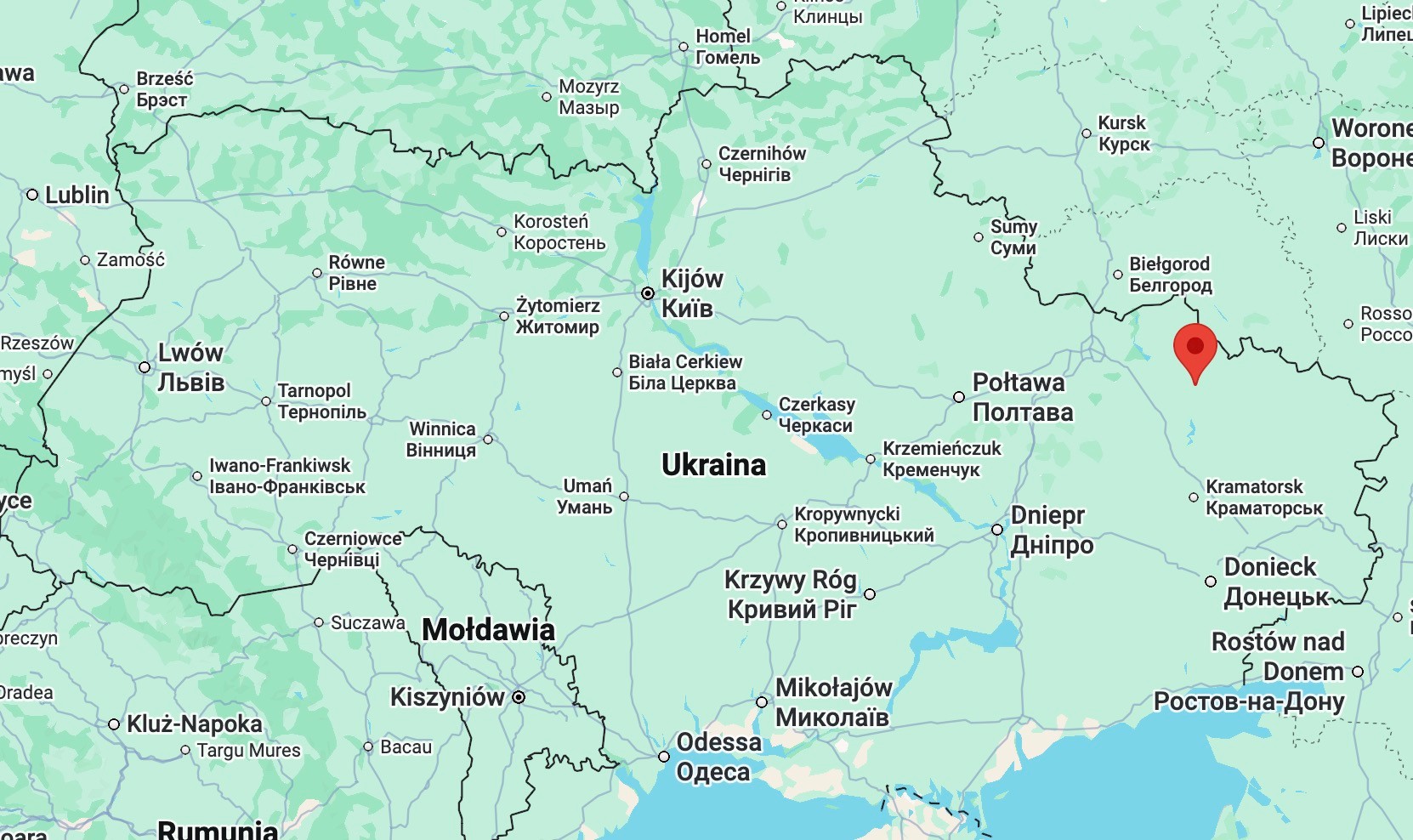
Kupiansk on the map of UkraineGoogle Maps
Information about the gas pipeline allowed the Security Service to determine the places where soldiers exit the pipe and to block the transfer of Russian troops from the opposite bank of Oskol. Continuously eliminating people coming out of the pipeline However, it did not persuade the occupation commanders to change their tactics.
“If they have anything, it's human resources,” said lieutenant colonel of the 13th Operational Task Force Brigade, codename “Abat.” — I use drones and they use people.
They're sending them down this pipe, basically just to check us out. If they send ten, maybe two will reach their destination
– he added.
Death Pipe
Ukrainian drone operators, who have “at gunpoint” all the exits, eliminate soldiers leaving the pipeline every day. Correspondents of “The Washington Post”, staying with the operators in the shelter, observed one of such actions.
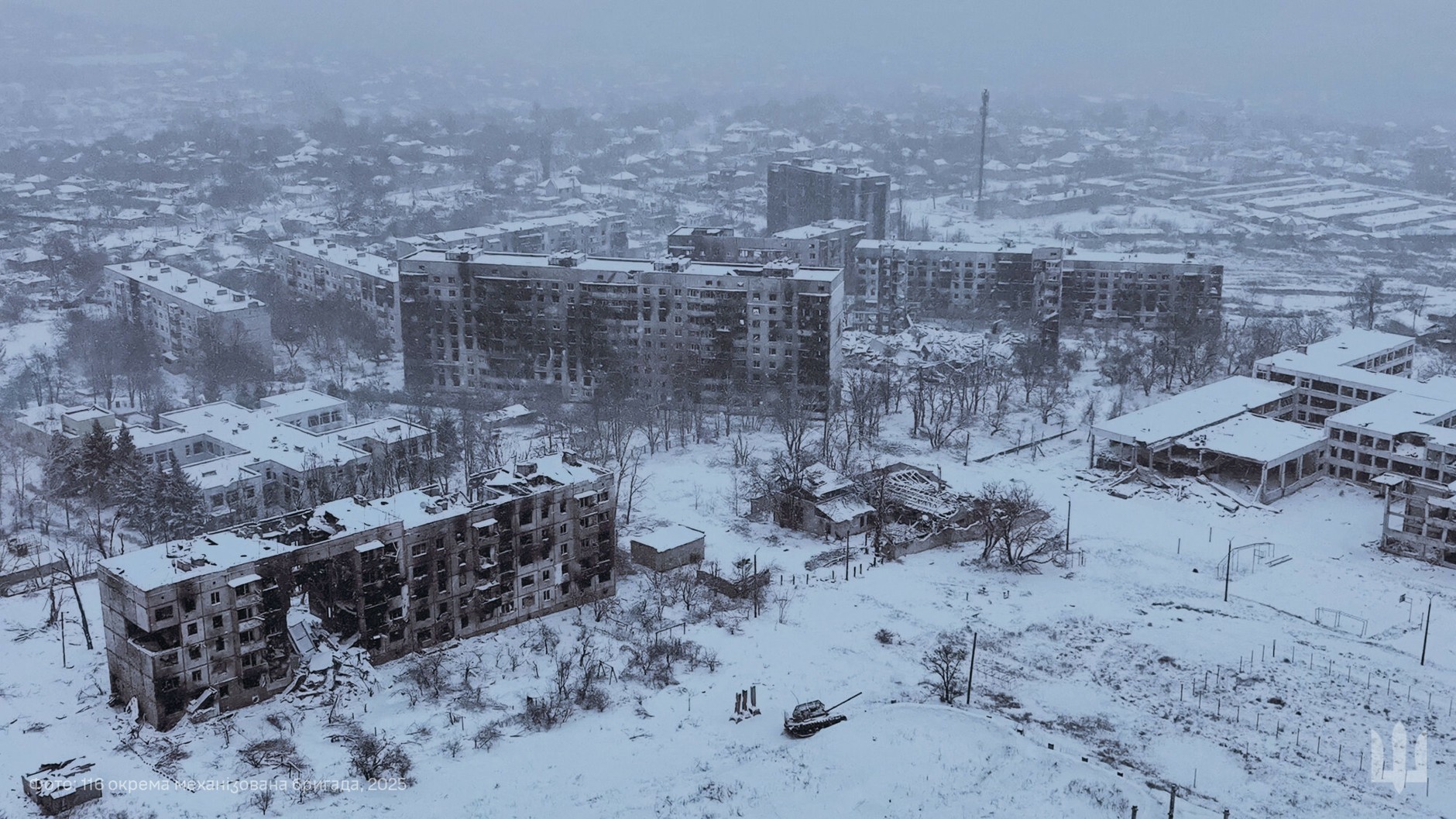
Kupiansk, December 29, 2025HANDOUT/AFP / East News
According to Ukrainian commanders, the attackers cover about 15 km in the tube — sometimes they use electric scooterson which they must ride in a half-squat. Some soldiers emerge from the pipeline with symptoms of chemical poisoning.
Anton Shmyhal, commander of the 1st battalion of the 429th Unmanned Systems Brigade “Achilles”, said that his men analyzed the plans for the pipe route and destroyed all covers near the exits – so that soldiers escaping the gas pipeline could not quickly hide somewhere.
In November, Szmyhal decided to attack the weakest point of this transfer method – the underwater sections of the pipeline. Ukrainian drones dropped explosives on them, trying to disrupt this improvised “corridor” for Russian soldiers. The effect was immediate: for the next two weeks, no one tried to get out of the pipe.
The article continues below the video
So the Russians had to look for another way and transfer people across the river on makeshift rafts, much slower and at greater risk of detection. However, this blockade did not last long — new entries to the gas pipeline were built on the Russian side, and the transfer of soldiers along this route was quickly resumed.
Trapped at a kilometer
According to SZU estimates, there are fewer than 100 Russian soldiers left in Kupiansk, but the city is large.
They can be dragged out of basements and undergrounds for months
– says the commander of the “Achilles” unit, Vitaly.
Additionally, Russian drones are constantly circling over the destroyed quarters, and subsequent groups are still trying to get through the river – or the gas pipeline.
Despite this, Vitaly considers it an “obvious, significant and visible victory” that the Security Service prevented heavy Russian equipment from entering the city and confined enemy soldiers in an area of approximately 1 square kilometer.
I’m Ashley Davis as an editor, I’m committed to upholding the highest standards of integrity and accuracy in every piece we publish. My work is driven by curiosity, a passion for truth, and a belief that journalism plays a crucial role in shaping public discourse. I strive to tell stories that not only inform but also inspire action and conversation.