
The rules on car registrations in the EU will be modified. What new inspections will be done

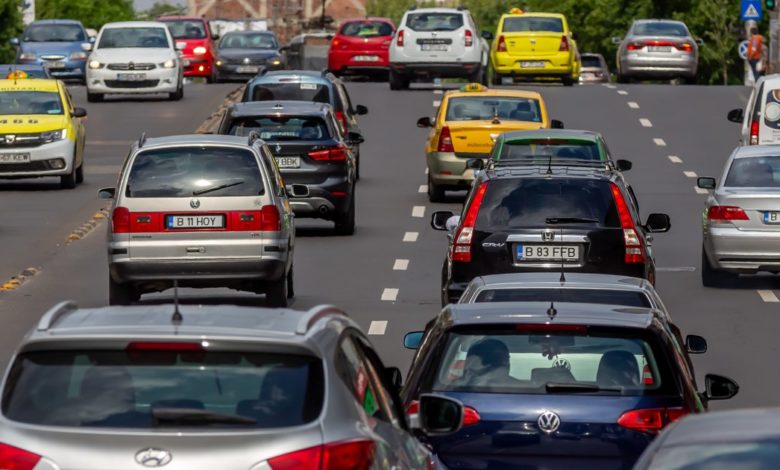
The European Commission (EC) proposes a revision of road safety rules and registration of vehicles to improve road safety and air quality throughout the EU, a community executive statement states.
What he wants to review the rules on car registrations in the EU. Photo shutterstock
The new rules will take into account the increasing presence of electric vehicles and adapt to emerging technologies. They will introduce consolidated inspections, including periodic technical inspections for electrical vehicles and advanced driver assistance systems, annual inspections for older cars and trucks and advanced emission test methods to detect high emission vehicles to reduce pollution with fine particles. In addition, the Commission proposes the introduction of digital car registration and periodic test certificates, simplifying cross -border data exchange and protecting citizens against fraudulent activities, such as fraudulent manipulation of odometers. Also, periodic technical inspections will be facilitated for people who live temporarily in another EU country.
The proposed changes reflect the EU commitment to a safe and sustainable mobility, at the same time ensuring the free movement of persons and goods. Between 2026 and 2050, it is estimated that these proposals will save about 7,000 lives and will prevent about 65,000 serious injuries.
To this end, the Commission proposes the revision of three directives: regarding the periodic technical inspection (ITP) of vehicles, the registration documents and the technical control in traffic (RSI) of the commercial vehicles.
The proposal on Thursday concerns unsafe vehicles, which contribute to accidents, deaths and body injury. The current norms, last updated in 2014, must keep up with the technological progress, such as assistance systems for drivers and the increasing presence of electric vehicles on the roads. In addition, very polluting and noisy vehicles, although relatively few in number, are responsible for a disproportionate proportion of harmful emissions. Current norms do not sufficiently address air pollution and noise.
Updated procedures for checking mileage
The park of outdated vehicles also increases the risk of frauding the odometers (ie, the return of the odometers to make the vehicles seem to have a smaller mileage than these). Combating this fraud requires updated rules. The outdated procedures and the non -use of modern technology prevent the compliance with the legislation and the cross -border cooperation.
The measures proposed on Thursday include the following: adapting tests to new vehicles, periodic technical inspections for electric vehicles and new attempts for electronic safety systems, including trying to integrity the software relevant for safety and emissions. There will also be new emissions attempts, by detecting high emissions vehicles, including falsified ones, using advanced methods for ultrafine and NOX (nitrogen oxides).
Frauds will be fought, by recording the reading of the odometer in the national databases for the cross -border exchange of the history of the odometer, and annual inspections will be carried out for cars and trucks older than ten years.
In the field of digitalization, electronic registration and periodic inspection certificates will be issued and the data exchange through a common platform for simplifying administrative processes.
The mutual recognition of the periodic technical inspection certificates will be introduced. It provides for ensuring the cross-border recognition of the periodic technical inspections carried out in another Member State for cars for six months. The data governance will be improved, by simplifying the access of the inspection centers to the technical data of the vehicles.


