The mysterious place in Romania where milk and honey flowed. Where was the mourning, the oldest Romanian county, an enigmatic place of abundance

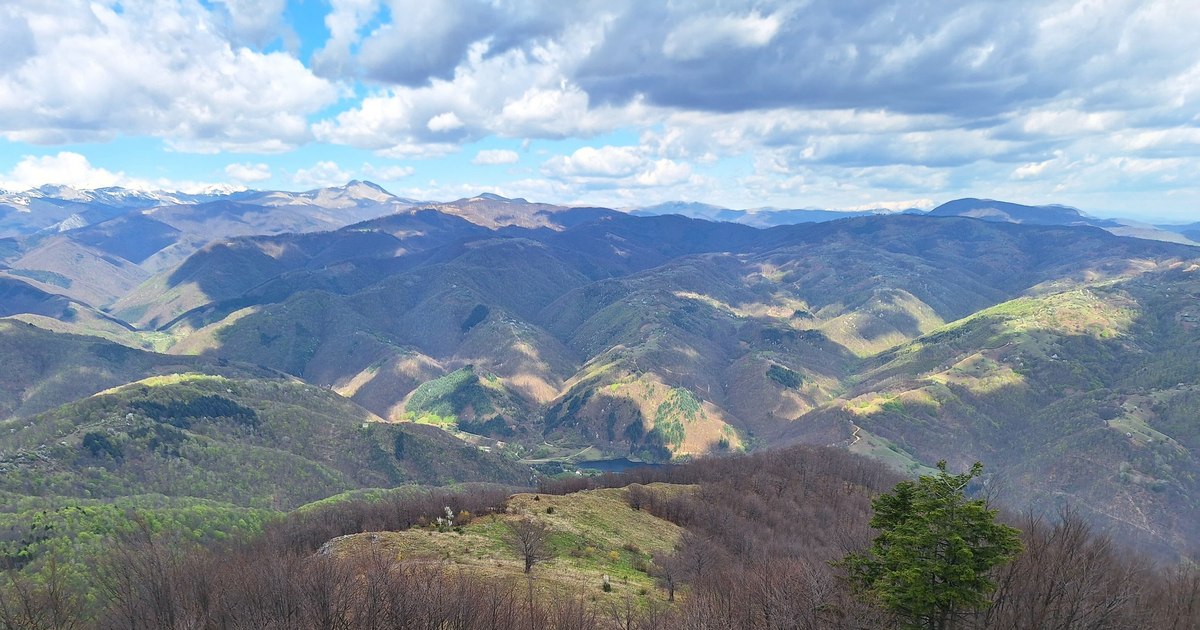
On the current territory of Romania there was a legendary place of abundance, famous for rich crops of grain, honey and other agricultural products. His name was sad and is considered the first attested county in the history of Romanians, having an important economic role at the time. It disappeared from history a few hundred years ago.
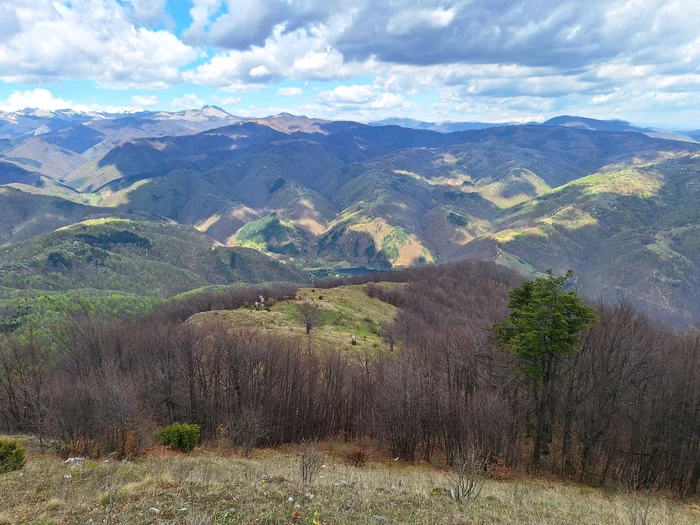
In Gorj's lands was the mysterious PHOTO Claudiu son
The old documents show that in the area of Gorj today, there was a few hundred years ago a mysterious place called Jaleș. It was the first Romanian county ever attested in history. According to the documents of the time, there was a place where milk and honey flowed. That is, he was very rich in agricultural products indicating a special prosperity of the Romanian lands south of the Carpathians. Last but not least, in the old Jaleș county was one of the most important Romanian medival cultural centers. This county disappeared from the anal, half the fifteenth century, for little known reasons.
Jaleș, the place of south-carpal abundance
On October 3, 1385, Dan I, the Lord of the Romanian Country confirms the Tismana Dania monastery in Jaleş county. “And first I gave this aforementioned monasteries wheat in the county of Jaleş four hundred buckets for each year”is shown in Danie. Later, Dania is renewed by Dan I, Mircea cel Bătrân but also other voivodes until the middle of the fifteenth century. This county of the mourning appears in many medieval documents.
As shown by the list of goods given to the Tismana monastery, Jaleș county in the medieval Wallachia of the fourteenth century and until the middle of the fifteenth century was a place of prosperity. Able to offer large quantities of wheat, but also other agricultural products was a real country pantry. Here's what he could offer, according to the documents. “And I also gave on the river of the Jaleş at Dăbăcecă you all the trees, then from the house of my reign, each, 10 cheese bellows, 10 cheeks, 10 blankets and 10 postavs for clothing and ten posts for shoes and honey and wax, as the year will bring the year.“, It is shown in Dan I Dania, to the Tismana Monastery.
In other words, the county was able to support the community of monks from Tismana, but also an important commercial flow. It was a land of walnuts and wheat. The flocks of sheep and cow cherries were not missing. “On the economic level, in the document of October 3, 1385, by which Dan I, gives the Tismana monastery every year of the wheat buckets from the royal tithe, we are given a clear image of the spread of wheat culture, as well as the quantity of the harvests at the end of the 14th century. buckets or about 3600 hl ”stated Vasile Cărăbiș in “Jaleșului County”. At the same time, the area was very rich in fruit trees.
The orchards wore the hills, and the nuts represented the most important pomicol wealth. Hence the preparations of walnut kernels that would have raged even beyond the Carpathians to the Kingdom of Hungary. “Fruit baskets were due to the reign from all the villages. The fruit growing has developed especially in the hilly region of the county, where the earth is more favorable than the cereal culture. Of the fruit trees in Jaleş county, the nuts are known documentary since the end of the century. XIV”, Says the same author. It is precisely because of this abundance, the mourning was a great economic hub of Wallachia. The first large shopping center of the country suggests the economic capacities of the region.
It is said that those in Jaleș could swore and 12 oxen at the plow. The commercial routes carried from Wallachia, over the mountains, in Transylvania and further to the Kingdom of Hungary. The most valuable goods were both the posts and the nuts, the wheat, the cheese, the cheese and the live animals. “Closely related to agriculture in the Middle Ages was the growth of cattle, one of the great riches of the county: horses, oxen, sheep, pigs, were numerous and could be exported especially on the Jiu Valley”adds Vasile Cărăbiș.
The first county in the history of Romanians and the oldest Romanian villages
The first question arises, where was this mysterious county of the mourning? Well, no one knows exactly. The specialists, however, speculate, considering the mention of the Tismana monastery, that the mourning was in the hill and mountain region of the current Gorj county. It would have been composed of the villages of Ploștina, Cireșelu, Godinești, Strunba, Arcani, Tămășcești, Bălești, Rasova, Ceaur, Valea Largă, Tisana, Dușești, Serbișori and Podeni.
“After the enumeration of these villages it is deduced that Judeu Jaleşului, if not in total, but was mostly seated to the right of Jiu stretching in the west beyond Motru and Baia de Arama.is shown in “Jaleș County”.
Given the year in which it is mentioned in documents, Jaleș county is the first Romanian county ever attested in documents, and its oldest villages ever known in documents. “The villages and fairs in this sub -Carpathian area are undoubtedly, among the oldest settlements in the country”stated Vasile Cărăbiș. The same author argues that the name of the county would be of Thracian-Gothic origin. „Jaleş county or Jaleşului, in the genitive form, as it appears in documents, took its name, obviously, from the Jaleş river, a monument of nature. The name of Jaleş is a Thracian-Getic”Says Cărăbiș, known historian and ethnographer in the Gorj area.
The place of control of the first “-escu”
These lands of the mourning, as shown by the rulers of the rulers, but also other documents of the time, were the chief of the boyars. The place was protected from invasions, wars, extremely abundant, the perfect place of boyar residence and shopping center. “At the time of restraint, here between the peaks of the hills covered with large forests, which go to the mountain, life was safer. Not in vain the boyars from Dăbăceşti chose their residence here. The importance of this settlement on Jaleş continued for centuries ”adds brick in the same work. The mansion and the center of the rule of the boyars from the Dăbăceşti on this land of abundance in Jaleș was in the locality, documented at that time, “Dăbăcești on Jaleș”, first mentioned in 1385.
The most famous representative of the family was Dumitru Dăbăcescu, as shown by Cărăbiș, the first “-escu” in the history of Romanians. “Influent people who imposed their name to the old village Runcu with its famous Nuceturi and of course was the capital of Jaleş county. Dăbăceştii on Jaleş played a political and economic role at the end of the fourteenth century and the beginning of the 15th century.”is shown in “Jaleș County”.
This blessed territory of Dăbăceşti disappeared in the middle of the fifteenth century, the last mention being the time of Iancu de Hunedoara. It is important that in Jaleș was the Tismana Monastery, one of the most important Romanian medieval and cultural centers.