What appliances do we turn off and what should we leave plugged in when we leave home during the winter holidays / “Vampires” that increase our bill without us noticing and why we should not turn off the heating plant

Winter break is a good time to get away from home for a few days, maybe even several weeks. But leaving home during this chilly season raises questions about home safety and energy management. The specialists made some calculations about which appliances should be completely turned off and which should be left plugged in, to have a balance between the bill and the safety of the home.
The total shutdown of devices can bring savings, but can also create risks, while leaving all devices connected means unnecessary additional costs, says an analysis carried out by the about-energie.ro website, a platform developed by the companies E.ON and Delgaz Grid.
Standby consumption, also known as “vampire consumption”, represents the electricity that electronic equipment in the home consumes when they are turned off, but remain connected to the outlet. Although it seems insignificant at the level of a single appliance, this consumption accumulates and can represent up to 6.3% of a household's annual energy consumption.
Here are the most important devices with consumption in stand-by:
- Smart TVs: 1-5 W/hour
- Audio systems and soundbars: 2-3 W/hour
- Gaming consoles: 2-10 W/hour
- Computers and laptops (including in sleep mode): 0.5-8 W/hour
- Modems and routers: 4-7 W/hour
- Microwave ovens: 1.6-3 W/hour
- Washing machines and dryers: 0.4-1 W/hour
- Coffee makers and kitchen appliances with display: 1-2 W/hour
- Chargers (even without phone connected): 0.1-0.5 W/hour
Appliances left in stand-by consume an average of 225 kWh per year, which means approximately 135-180 lei per year, at the current price of electricity. If we are away for two weeks during the winter vacation, the cost can reach 15-20 lei during this period just for the vampire consumption.
What equipment must remain on
On the other hand, even if we want to save energy, there are appliances that should not be turned off when we go on winter vacation. But these too can be set so that consumption and costs are optimized.
Here's what these appliances are and why they need to stay plugged in:
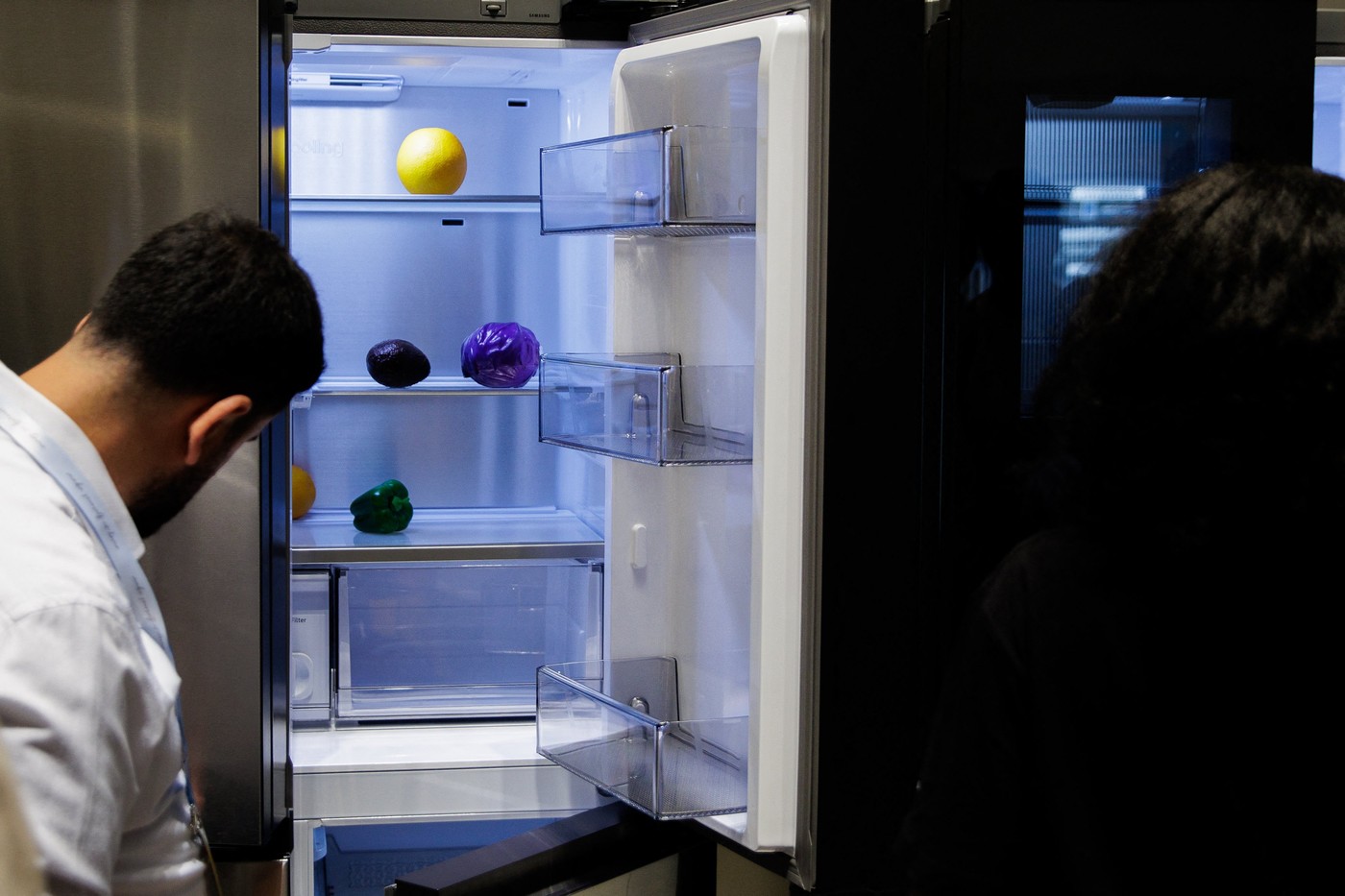
Fridge and freezer. They must be left on to preserve food.
Before leaving home, it is good to set the temperature to 3-4 degrees Celsius for the refrigerator and -15 to -18 degrees for the freezer, to check that the appliances are working properly and there is no accumulated ice (which increases consumption by up to 30%). At the same time, we must clean the back to ensure optimal ventilation and throw away perishable food that could expire during the absence.
Security and alarm systems. If we have an alarm system or surveillance cameras, they must remain active for the protection of the home.
Valves with anti-freeze sensors. If we have such systems installed, they must remain powered.
Also very important: the thermal plant it must also be kept on to prevent freezing of installations and damage to the home.
The optimal temperature at which to leave the boiler
The correct setting of the heating plant is crucial to prevent freezing of the installations, but also to save fuel. If we leave for a short time, just a few days, we can set the thermostat to 10-12 degrees, but if we are away longer, it is good to lower it to 5-10 degrees.
Most modern boilers also have a special program called “vacation”, “eco” or “reduced mode” that maintains the minimum required temperature. The water temperature in the radiators can be adjusted to 55-60 degrees (compared to 65-70 degrees in normal use).
Here are some risks if we leave and shut down the plant altogether:
- the risk of freezing of water pipes;
- damage to the circulation pump and valves due to lack of use;
- the formation of moisture and mold due to too low a temperature;
- the high cost of reheating the house upon return.
If you have a smart thermostat, you can control the temperature remotely and start reheating your home a few hours before you return.
Checklist before departure
To go on holiday with peace of mind, here is a checklist to follow to make sure that everything will be in order when you arrive back home:
1. Electrical and safety checks:
- check that all non-essential appliances are unplugged;
- tests the operation of the alarm system and surveillance cameras;
- check the condition of the electrical fuses and the electrical panel;
- make sure there are no overloaded sockets or extension cords;
- check that you have not left light bulbs on in the rooms (only those programmed for presence simulation);
- check if the iron, stove and other electrical appliances are turned off;
- check that there are no flammable materials near the heating devices.
2. Thermal plant and heating:
- set the boiler to vacation mode (10-12°C) or adjust the temperature manually;
- check the water pressure in the installation (it must be between 1-1.5 bar);
- make sure the thermostat is working properly;
- check if there is enough fuel (gas or solid fuel);
- leave the interior doors open for even air circulation.
3. Sanitary installations:
- close the external taps and empty the hoses;
- insulate exposed pipes from unheated spaces;
- check that there are no leaks at the taps or pipes;
- leave the kitchen and bathroom cabinet doors open;
- for long absences, close the general water tap.
4. Refrigerator and freezer:
- check the set temperature (3-4°C for the refrigerator, respectively -15 to -18°C for the freezer);
- removes accumulated ice;
- consume or throw away perishable food;
- cleans the back for optimal ventilation;
- make sure the doors close tightly.
5. Smart devices and monitoring:
- tests internet connection (working router);
- check the smart home applications on the phone;
- program smart sockets for simulated lighting;
- set temperature alerts (if you have smart sensors);
- check if you have remote access to the surveillance cameras.
6. Other:
- close the windows and make sure they are tight;
- draw the blinds to reduce heat loss;
- notify a trusted neighbor that you are leaving (for periodic checks);
- check if the insurance policy covers any damages.