Utley, head of NATO Allied Maritime Command, points out that the modern battlefield is becoming more and more complex.
Read also: ICEYE, together with the German giant, have a contract with the Bundeswehr
The rest of the text below the video
It covers not only classic military activities, but also cyber attacks, hybrid operations and threats to critical infrastructure. — Do we have the immunity we would like to have today? The last ten months show that this is not the case – admitted the admiral, adding, however, that member states are increasingly aware of this problem and are ready to invest in rebuilding defense capabilities.
Russia is testing Europe
Utley's words fit into a broader tone of warnings coming from European capitals. Senior security officials have been sounding the alarm for months Europe must prepare for the real possibility of confrontation with Russia, which is intensifying its hybrid actions against Western countries.
Read also: The whole world is arming Poland. We buy this in individual countries [MAPA]
NATO Secretary General Mark Rutte recently stated that Russia may be ready to use military force against the alliance within the next five years. In his opinion, NATO must be prepared for a conflict on a scale comparable to that experienced by earlier generations of Europeans in the 20th century.
Similar signals came from London on Monday. The new heads of Britain's intelligence services and armed forces have warned that Europe today operates in a “gray zone” between peace and war. The head of MI6, Blaise Metreweli, talked about the growing pressure from Russia, and the commander of the British armed forces, Richard Knighton, emphasized the need for greater readiness of society to defend the country.
Uncertainty surrounding the US role
An additional source of concern are the signals coming from Washington. Donald Trump's desire to quickly end the war in Ukraine through peace negotiations has renewed concerns that the United States may limit its military involvement in Europe in the future. Although European leaders hope that the provisions of the defense budget bill adopted by Congress will make it difficult to withdraw American troops and key weapons systems from the region, uncertainty remains.
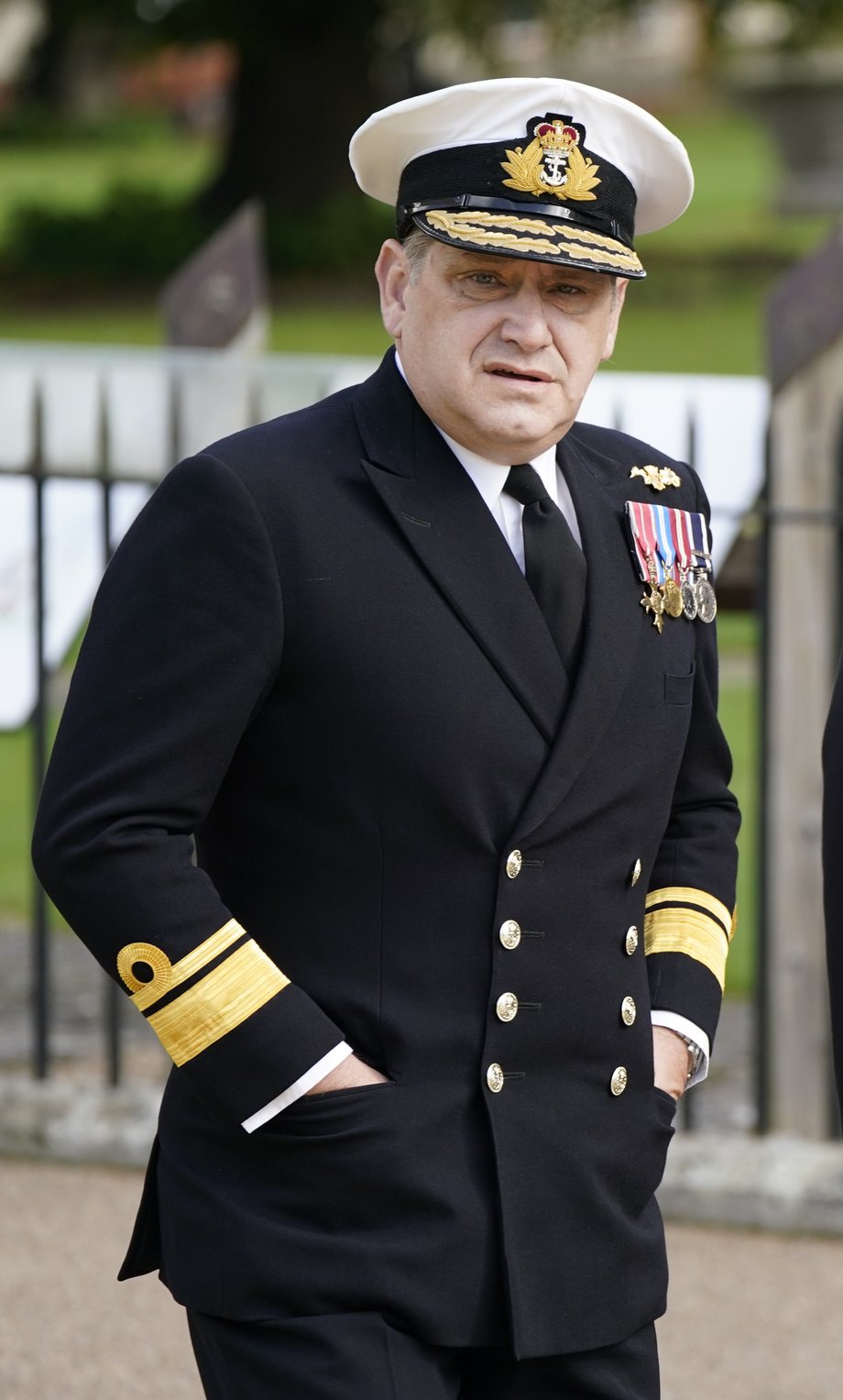
Vice Admiral of the British Royal Navy Mark Utley
|
Andrew Matthews/Getty Images
Western analysts agree that Even a possible ceasefire in Ukraine will not end Moscow's aggressive actions. In their opinion, Vladimir Putin will continue to wage a low-intensity war and initiate hybrid operations in other parts of Europe.
Expenditures are growing slower than declarations
Although almost all NATO countries – except Spain – have committed to increasing defense spending this year to 3.5 percent. GDP for basic military programs and an additional 1.5 percent. to related areas by 2035, the implementation of these plans is progressing slower than announced. An example is Great Britain, which has postponed the publication of its own defense investment strategy until next year.
At the same time, NATO is taking steps to strengthen current security. Operation Baltic Sentry, launched at the beginning of the year, is intended to increase the Alliance's presence in the Baltic Sea and better protect undersea critical infrastructure. The integration of frigates, patrol aircraft and maritime drones, supported by new analytical technologies, is intended to enable faster detection of threats and more efficient response to potential incidents.