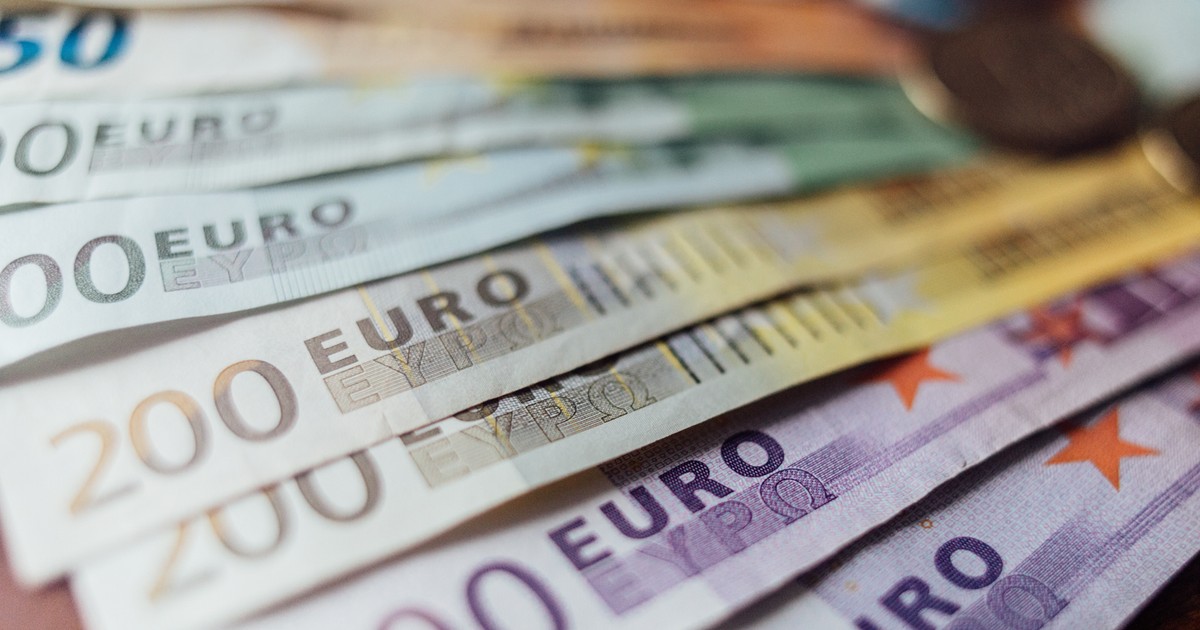
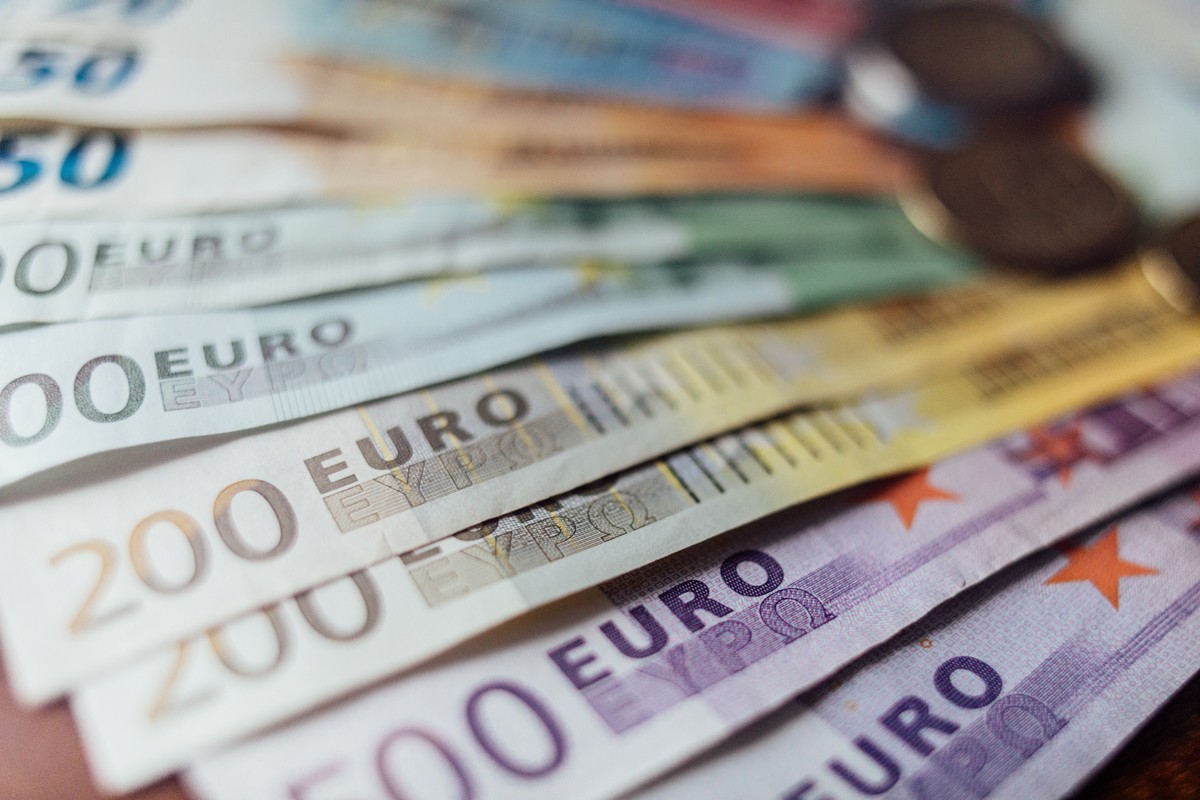
The European Union's finance ministers have agreed on the construction of a digital euro. This is a key step towards introducing a digital currency in the euro zone. The project aims to make Europe independent of American companies in terms of payments and adapt to the increasingly rare use of cash.
See also: There will be a new function in mObywatel. The government wants revolutionary changes for entrepreneurs
As the German “Handelsblatt” reminds, the digital euro is a response to the changing market needs and the growing digitization of payments. The introduction of this currency is intended to strengthen Europe's sovereignty in the area of finance, reducing dependence on American giants such as Visa or Mastercard.
The text continues below the video
The project is controversial, especially in the context of costs and potential effects on the banking sector.
The decision on the digital euro has been made. The EU is talking about a historic step
The agreement between EU finance ministers on a digital currency was described by Danish Finance Minister Stephanie Lose as an important step. Valdis Dombrovskis, the EU Commissioner for Economic Affairs, emphasized that this was a “milestone”. And the decision of the EU Council itself is a signal for the European Parliament, which is to determine its position in 2026. Only after that will negotiations on the final shape of the act begin.
See also: Digital divide in Polish business. “We're starting from a very low ceiling”
“The agreement strengthens European sovereignty, and the digital euro will become a symbol of Europe's digital integration,” said German Finance Minister Lars Klingbeil, quoted by “Handelsblatt.”
The German newspaper explains that the European Central Bank (ECB) plans to start a digital euro pilot project in 2027. If everything goes according to plan, the currency could be introduced in 2029. The digital euro is intended to complement cash, not replace it, as both the ECB and the European Commission emphasize.