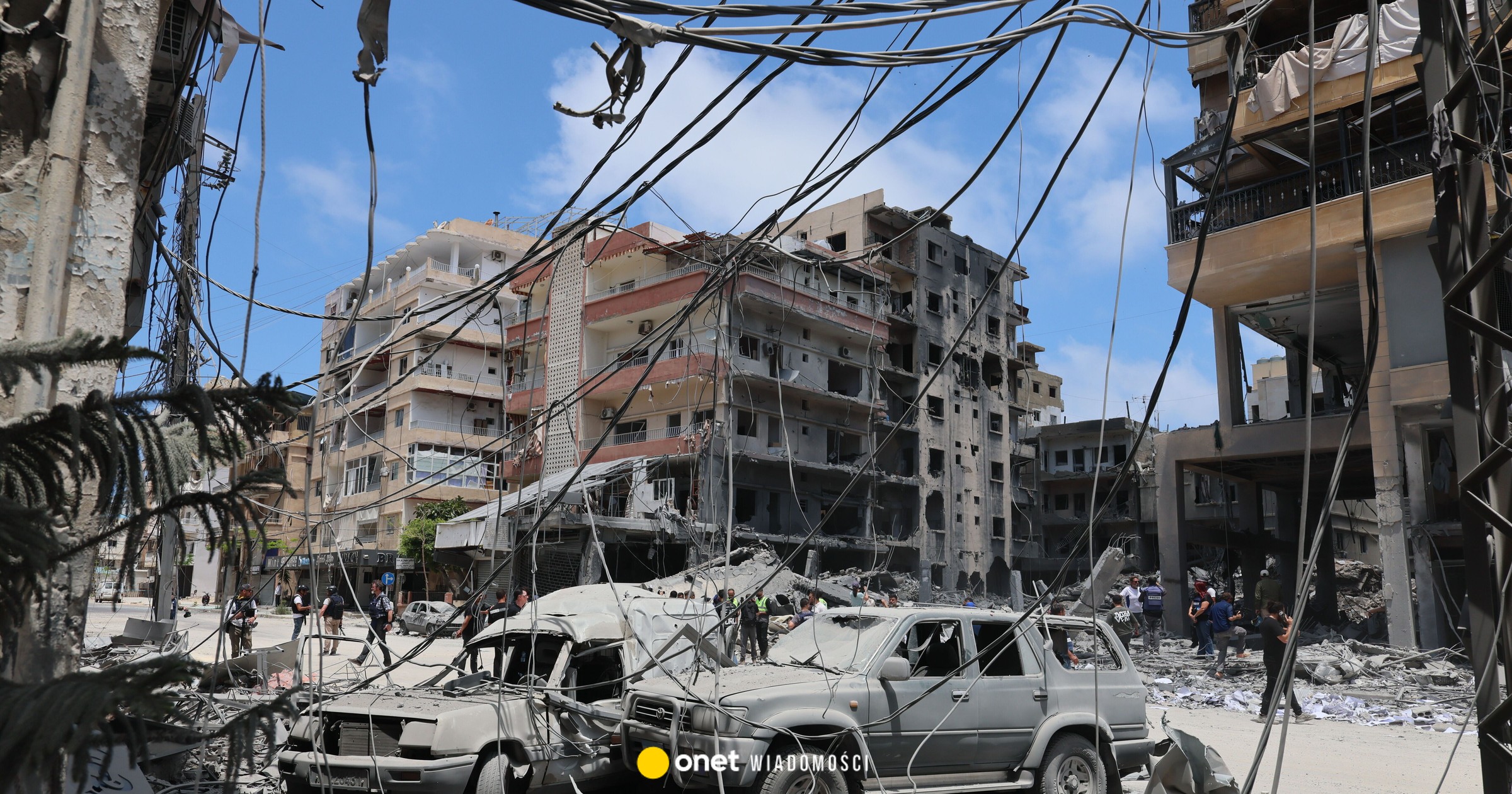
A senior US diplomat is warning that Moscow needs to be put under real pressure, subtly contradicting President Donald Trump's approach to the Ukraine war negotiations.
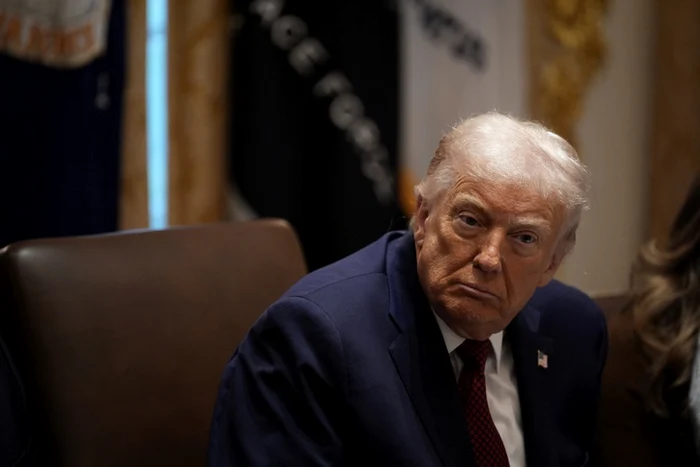
An American diplomat contradicts Trump regarding the peace negotiations PHOTO: EPA EFE
After two and a half days of intense talks, US, Ukrainian and European officials say they have finalized about 90 percent of a deal that could end the war sparked by Russia. But the last 10% remains a “land mine”, which could compromise the entire effort. Washington offers Kiev its strongest security guarantee yet, a commitment “similar to Article 5, but without NATO”but important leaders warn that the West cannot legitimize Russia's territorial grab.
“I believe that Ukraine's partners should support Ukraine's position on the occupied territoriesSteven Pifer, former US ambassador to Ukraine, said in an interview with the Kyiv Post on Monday.The West must not agree to recognize that territory as Russian territory. Moscow must feel the pain.”
Ten percent “on fire”
Senior US officials say the talks have led to a consensus on about 90% of the terms of an agreement. The meetings were attended by President Trump's special envoy Steve Witkoff, adviser Jared Kushner, President Volodymyr Zelenskiy and European leaders, gathered in Berlin behind closed doors.
Zelensky described the result as a “first draft”, hailing the progress but warning that elements “destructive” have yet to be removed. “The military side seems pretty solid. The parties have worked together very well, but the destructive elements still need to be removed. This is important because dignity is important“, he emphasized.
A follow-up meeting in Miami scheduled for this weekend will bring together working groups and military planners to review maps and technical details. At the moment, it is not known when Russia might officially re-engage.
Article 5 without NATO
The center of the negotiations is the security guarantees proposed by Washington: protection similar to Article 5, without formal NATO membership. The proposal commits the US and key European allies to the defense of Ukraine in the event of another Russian attack, the Trump administration's clearest promise yet.
The guarantees are aimed at addressing Kiev's fear that any ceasefire without credible backing would give Moscow time to regroup. “We want to save many livesTrump said from the Oval Office, citing casualties comparable to losses in World War II.We are getting tremendous support from European leaders. And they want to end the conflict“.
However, Trump acknowledged the limits of negotiations: “To be honest, they've already lost territory. Territory is lost“. Regarding security, he added: “We are collaborating with Europe in this sense … so that the war does not start again.”
What makes guarantees believable
Pifer explains that the emerging security framework is much stronger than critics suggest, if fully implemented. He identifies four pillars of deterrence: a long-term commitment to building a modern and well-equipped Ukrainian military; a multinational coalition led by Europe with American support; a mechanism for monitoring and verifying the ceasefire; and a binding political commitment, “which sounds like article 5 at the end of the day”.
The absence of US troops on the ground has generated skepticism, but Pifer points out that US support can be sufficient. “If the Europeans had the support of the American air force, it would be quite strong”he explained.
The key question: pressure on Russia
For Pifer, the real challenge is not Kiev, but Moscow. Russia will try to oppose the Berlin framework, especially regarding security guarantees. “If you want diplomacy to work, you have to back it up with leverage”the diplomat said, referring to tougher sanctions, arms deliveries and even confiscation of Russian central bank assets.
“We have to convince him to give up the idea that Russia can win on the battlefield“, Pifer added. Only in this way would the Kremlin negotiate seriously. Without these measures, warns the diplomat, the elegant framework in Berlin risks remaining just a piece of paper, and the peace agreement, 90% completed, would turn into a sure guarantee for a future conflict.