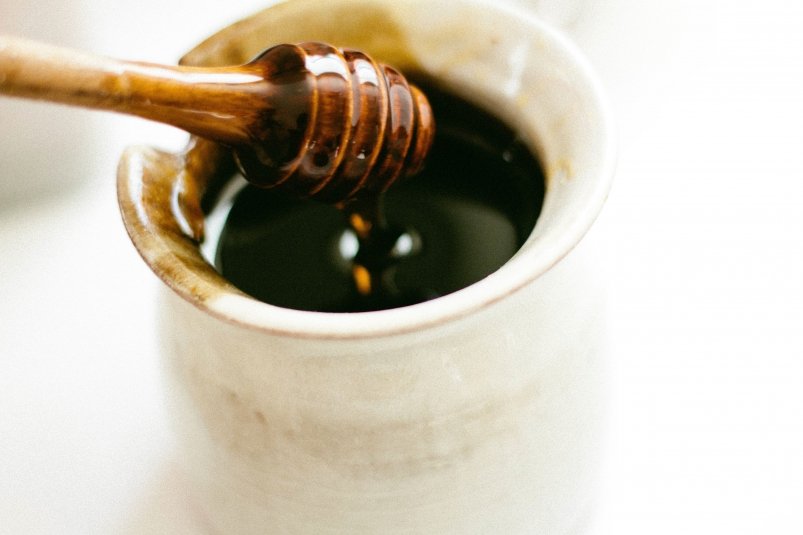
At the beginning of December, when the cold sets in and there is a desire to strengthen the immune system, many turn to folk remedies and, first of all, to honey. A real product is beneficial, but fake or spoiled honey can be harmful. Especially if the jar has been in the pantry since the fall.
Sugaring is a normal process for natural honey, but other signs may indicate storage failure or substitution of the composition. Here's how to test honey without a laboratory and without even opening the jar:
1. Inspection of consistency and color through glass
Real honey often crystallizes by December. It becomes fine-grained or dense, but uniform. Alarm signals:
- delamination,
- unnaturally bright or transparent color, especially for buckwheat or linden honey,
- dark spots or mold at the neck.
2. Checking tightness and labels
Make sure the jar is tightly closed and the lid is not bulging. The label must indicate:
- date of collection or bottling,
- type of honey
- information about the beekeeper or producer.
The absence of this data is a reason to think.
3. “Water test”
If you have already opened the jar, drop a little honey into a glass of warm water. The real product will sink to the bottom and will not dissolve immediately. If the honey immediately “spreads,” it probably contains a lot of sugar or syrup.
Important: even natural honey can deteriorate when stored in heat, light or high humidity. It is best to store it in a cool, dark pantry at a temperature of +5…+15°C.
Don't be afraid of sugaring – this is a sign of quality. But if there are doubts about safety, it is better not to take risks. Real honey can be stored for years, but only under the right conditions.