Travel, copious meals or sedentarism can affect the body's natural balance and can lead to constipation, a digestive problem that can be managed by simple, natural and efficient methods.
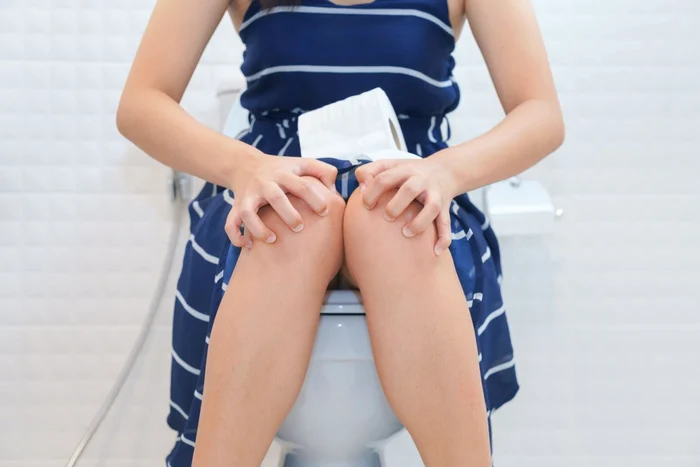
Some handy remedies can help you get rid of constipation. Photo: Archive
After a full day, in which you have eaten differently, you have traveled or spent hours in sessions, it is possible that the body is easily disturbed, these changes slowing intestinal transit and causing constipation.
Because the intestinal rhythm differs from person to person, it is essential to know what “normal” means. Occasional constipation is common and usually transient, and the situation can be easily remedied, by a few simple and available methods. However, if it becomes a repetitive situation, it could signal a digestive condition that requires medical evaluation, notes EatingWell.
1. Consume Kiwi
These green and succulent fruits are not only delicious, but also beneficial for digestion. Two kiwi a day can support the intestinal transit due to their high water (about 83%) and fiber (about 6 grams to two fruits).
Kiwi also contains the actinidine enzyme, which, together with the fibers and water, favors the retention of liquids in the colon, having a slight laxative effect.
“The type of fibers in Kiwi helps to soften the chair and to stimulate the production of intestinal mucus, improving the functioning of the digestive tract”, explains the dietitians.
2. Hydrate properly
Water is the simplest and most effective “treatment” against constipation. The proper consumption of liquids helps maintain the soft and easy to remove chair, especially when the diet is high in fiber.
“If the body is dehydrated, the large intestine absorbs too much water from residues, and the chair becomes hard and dry,” Warns Gastroenterologist Rosario Ligresti, who recommends drinking water in the form you like (simple, ice, carbonated or naturally flavored) to maintain your active transit.
3. Dried plums or Plum compotulde
Dried plums are a classic ally for digestion, because they contain fiber and sorbitol, a poorly absorbed natural sugar, which attracts water into the colon and softens the chair.
To achieve the desired effect, consume them in moderation: four to six dried plums (about a quarter of a cup) are sufficient to stimulate the transit.
4. Drink coffee
A cup of coffee can stimulate the gastrocolic reflex, a natural mechanism that increases the activity of the colon after the meal. Not only does the coffee be invigorated in the morning, but activates the gastric secretions and intestinal contractions, contributing to faster digestion.
Whether you prefer hot or cold, coffee can be natural support for regular transit.
5. Make move
Even a short walk can do wonders. Easy physical activity stimulates peristalsis, muscle movements that help move the seat through the intestine. Physical exercises strengthen the abdominal muscles and improve the functioning of the digestive system. A 15-20 -minute walk can be exactly the impulse you need.
6. Try an abdominal massage
A gentle massage of the abdomen can stimulate the removal of the chair. “It is a simple and free method, which can be done at home,” says nutritionist Stephanie Mendez.
Make circular movements, light, inverted U -shaped, starting from the bottom right of the abdomen, climbing to the top and lowering on the left side.
7. Adopt a correct position at the toilet
The way we sit on the toilet influences the elimination process. The knee flexion position or the use of a small stool that lifts the knees above the hips relaxes the rectal muscles and facilitates the evacuation.
How to prevent long -term constipation
In the long term, constipation can be fought by adopting a healthy lifestyle.
* Consume 25–38 g of fiber daily, from fruits, vegetables, legumes and whole grains.
* Hydrate constantly, not only with water, but also with soups, smoothies or fruits rich in water.
* Make regular movement, at least 30 minutes of moderate activity per day.
* Eat at regular hours, without jumping over the tables, to support natural digestive reflexes.