Only 50 of the 1,300 “ethnobotanical” substances can be detected by the testing machines. INML doctor: “Every dose is a potential bomb”


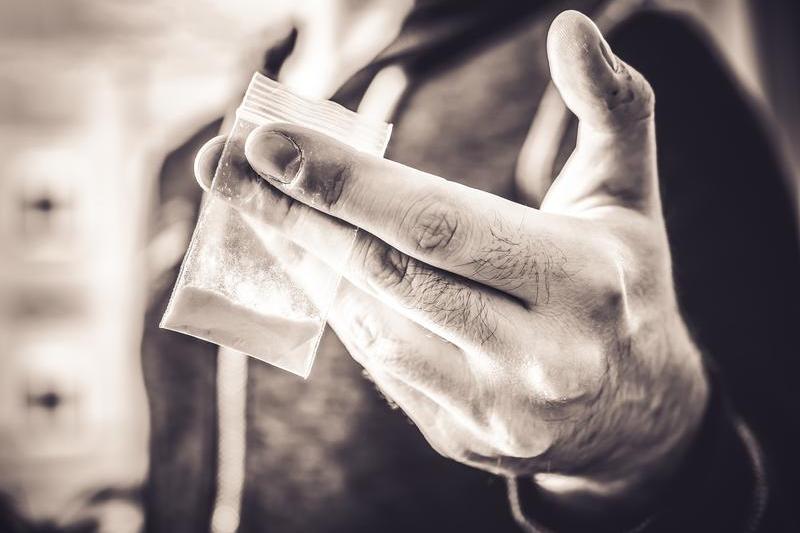
Drugs, Photo: Sebastian L | Dreamstime.com
Doctor Gabriel Gorun, a forensic pathologist at the National Institute of Forensic Medicine (INML) “Mina Minovici”, stated on Medika TV that the technology, not only in Romania, but worldwide, does not keep pace with the newly emerging ethnobotanical substances. Thus, there are toxicological studies for only about 200 substances out of the 1,300 known, and only 50 can be identified by laboratory testing equipment.
“At the moment, of the approximately 1,300 substances that are recognized as circulating on the ethnobotanical market, from the point of view of studies, there are approximately 200 identified, and modern devices can highlight up to 50 of them with great difficulty. So, from the point of view of the anti-drug fight in the possibility of highlighting these substances, the fight is asymmetrical, we are far behind those who produce these substances”, he declared on Friday evening, forensic doctor Gabriel Gorun, quoted by News.ro.
The specialist explained that there are chemists who, by modifying a single molecule of a substance with a narcotic effect, can make the equipment used in forensic medicine offices encounter difficulties in establishing the effects, concentrations and potentially lethal doses of such a substance.
“Content is also unknown to traffickers”
“These new psychoactive substances are created by chemists, by designer-chemists, each of them trying to modify a molecule that has been proven to have psychoactive effects, so the appearance of a substance is difficult to be monitored as is normal toxicologically at all its stages, what are the doses, what are the effects, what are the doses with lethal potential, what are the effect concentrations, so to speak, and all this involves studies and, first of all, you need to identify the substance on that you don't know. Until it was created by a designer, no one knew that substance existed,” explained the doctor.
He admitted that the emergence of ethnobotanical substances, which are cheap and difficult to detect, is beginning to change the paradigm regarding the age of drug users, with more and more young people being attracted to these substances.
“Very cheap, very easy to procure, extremely difficult to detect, which encourages consumers to turn to them, not being able to prove consumption very easily, there is a shift in consumption from traditional or medicinal substances to these new psychoactive substances. And this is, noting from the statistics, a prerogative of the young,” explained doctor Gabriel Gorun.
He categorized as “extremely gray” the area of knowledge of both the real incidence of consumption and the effects produced by the new psychoactive substances, especially considering the unpredictability regarding the composition of a dose.
“The substances come in drug traffic with content unknown even by the traffickers, they are sold on the market mixed and so that each dose is, in fact, a potential bomb, without having the slightest possibility of predicting either the effects, the concentrations, or the quantities consumed”, Gabriel Gorun emphasized.