Who is really pulling the strings in Washington? Marco Rubio is changing the tone of Ukraine negotiations, but behind the scenes there is still a fight for influence
U.S. Secretary of the Army Dan Driscoll, an unusual choice for diplomat, spent two days last week in Kiev delivering a difficult message to Ukraine and its European allies: Accept a 28-point peace proposal before Thanksgiving or face the consequences. Then Secretary of State Marco Rubio entered the picture.
Rubio's arrival in Geneva on Sunday to join Driscoll and resume talks with senior Ukrainian officials, changed the tone of the conversations. The Trump administration team withdrew from the hard deadline set for Thursday and, according to Europeans and Ukrainians, began to take their positions more into account.
This is according to four people familiar with the talks who were granted anonymity to discuss sensitive diplomatic issues. We reveal the behind-the-scenes of the stormy negotiations regarding the peace plan, which caused panic in Kiev and European capitals.
“We believe that Marco Rubio's commitment to continuing the talks is important,” said a fifth person, an official from a NATO country. In his opinion, Rubio's influence can be seen in the change in the pace of negotiations. — After yesterday, the pace of negotiations has slowed down, which is a positive phenomenon.
“Rubio is a professional”
The last week, full of turmoil and chaos in American diplomacy, revealed two truths about Rubio's role in the administration: firstly, foreign and congressional interlocutors perceive him as the person who will sort out the affairs of Russia and Ukraine, restoring order and bringing Washington closer to its allies and partners again, and not to Moscow.
Second, President Donald Trump's preference for abandoning traditional policy coordination among cabinet departments contributed to the insurrection turbulent foreign policyin which a number of high-ranking officials acted on their own. Rubio, in his dual capacity, did not, whether intentionally or accidentally, play the typical role of national security adviser, coordinating agency plans before they were implemented.
However, it seems that Rubio found a way, belatedly, to convince other administration officials to participate in the Geneva talks. He unified the administration's divergent views — which had been made public days and in some cases hours earlier — and ordered greater cooperation.
“He certainly had more control over the process on Sunday than he had previously,” said another European official familiar with the talks.
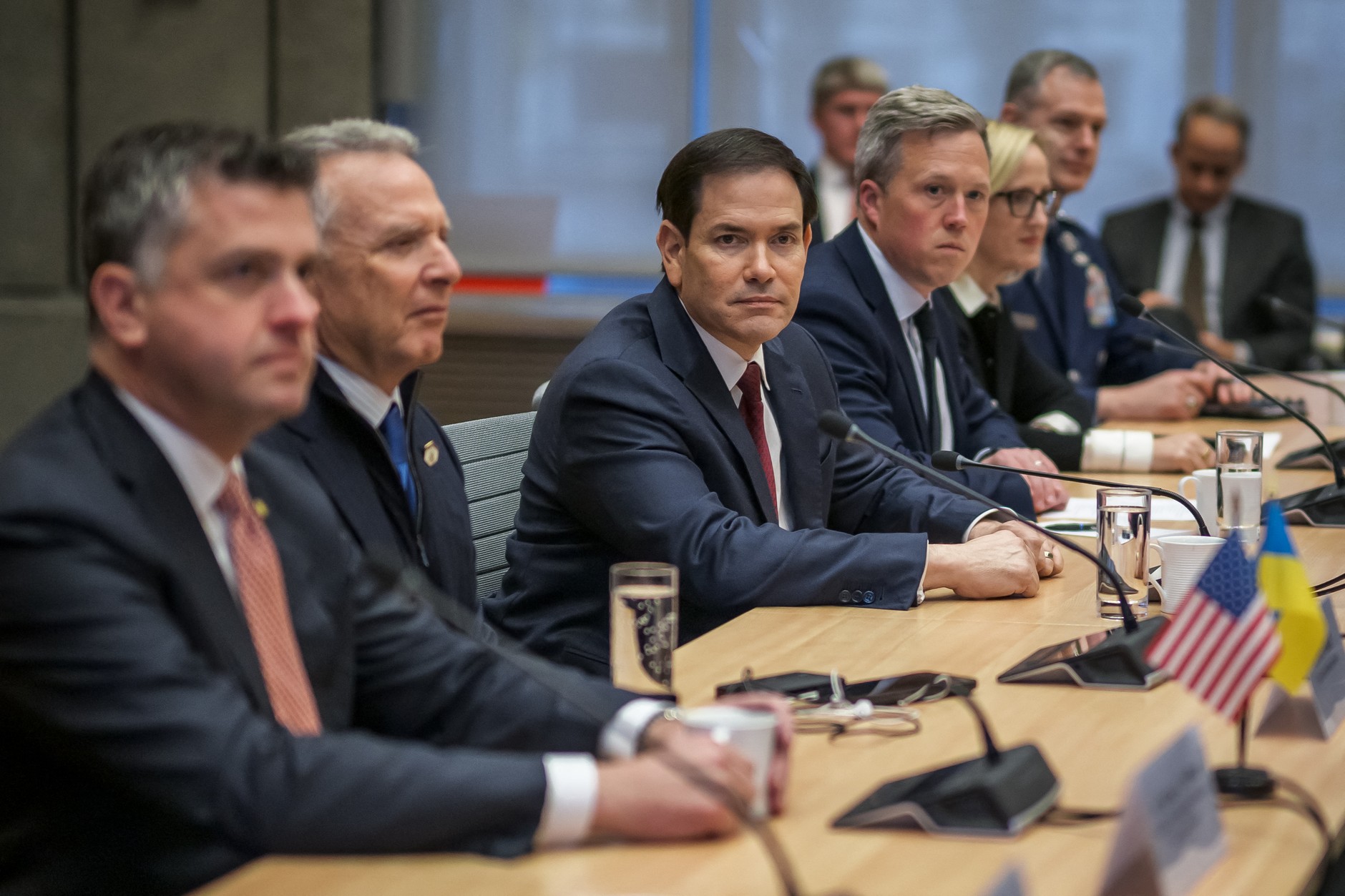
U.S. Secretary of State Marco Rubio (center), next to U.S. Special Envoy Steve Witkoff (second from left) and Secretary of the Army Dan Driscoll (fourth from left), during talks with the Ukrainian delegation on the U.S. plan to end the war in Ukraine in Geneva, November 23, 2025.FABRICE COFFRINI/AFP / AFP
Before Rubio showed up in Switzerland, Vice President J.D. Vance appeared to be leading the process through his close friend Driscoll. By the end of the weekend, Rubio took over and talks became more flexible, the official added.
But on Sunday, Rubio was joined in Switzerland by deputy national security adviser Andy Baker (a close associate of Vance), special envoy Steve Witkoff and Trump's son-in-law Jared Kushner, who “have shown some independence, to say the least,” the European official notes. Even though Rubio took the initiative, they continued to advocate a position that European and Ukrainian officials consider inconsistent with Rubio's approach.
“Nobody knows if they all agree with Rubio now,” the official adds.
— Things were moving in the right direction in Geneva. It's still a work in progress, but it looks much better now, said another European official familiar with the talks. — Rubio is a professionalwho knows his stuff. But he works for the president, who ultimately makes the decisions.
The article continues below the video
White House spokeswoman Anna Kelly said Trump's representatives were working under his direction. “At President Trump's direction, the entire national security team is working cohesively toward a common goal of ending a war that has claimed the lives of millions and preventing further loss of life through a lasting and enforceable peace,” she said.
The State Department declined to comment. However, a department official stressed that Trump's entire team “has been working hand in hand for 10 months” to end the war between Russia and Ukraine.
On Monday, Vance dismissed Republican Sen. Mitch McConnell's comments that Putin was treating Trump like a fool, calling his words “an absurd attack on the president's teamwho worked tirelessly to sort out the mess” in Ukraine.
“Different people work on different things.”
Leslie Shedd, a former senior adviser to Republican Rep. Michael McCaul when he was chairman of the House Foreign Affairs Committee, notes that Trump favors the informal foreign policymaking apparatus.
“It has its good and bad sides,” he says. — Different people are working on different things, and the president wants to see who can achieve the best result.
“Especially on an issue that's so important to the president and his perception of his own legacy, he's going to want to bring in all his best people, put them on the ground and ask them to approach the problem from different perspectives to see who gets the best results,” he adds.
Rubio's participation in the talks resulted in much greater flexibility on the part of the Americanssaid four people familiar with the discussions. Rubio told reporters Sunday night that the goal is simply to finalize talks “as soon as possible,” rather than before Thanksgiving.
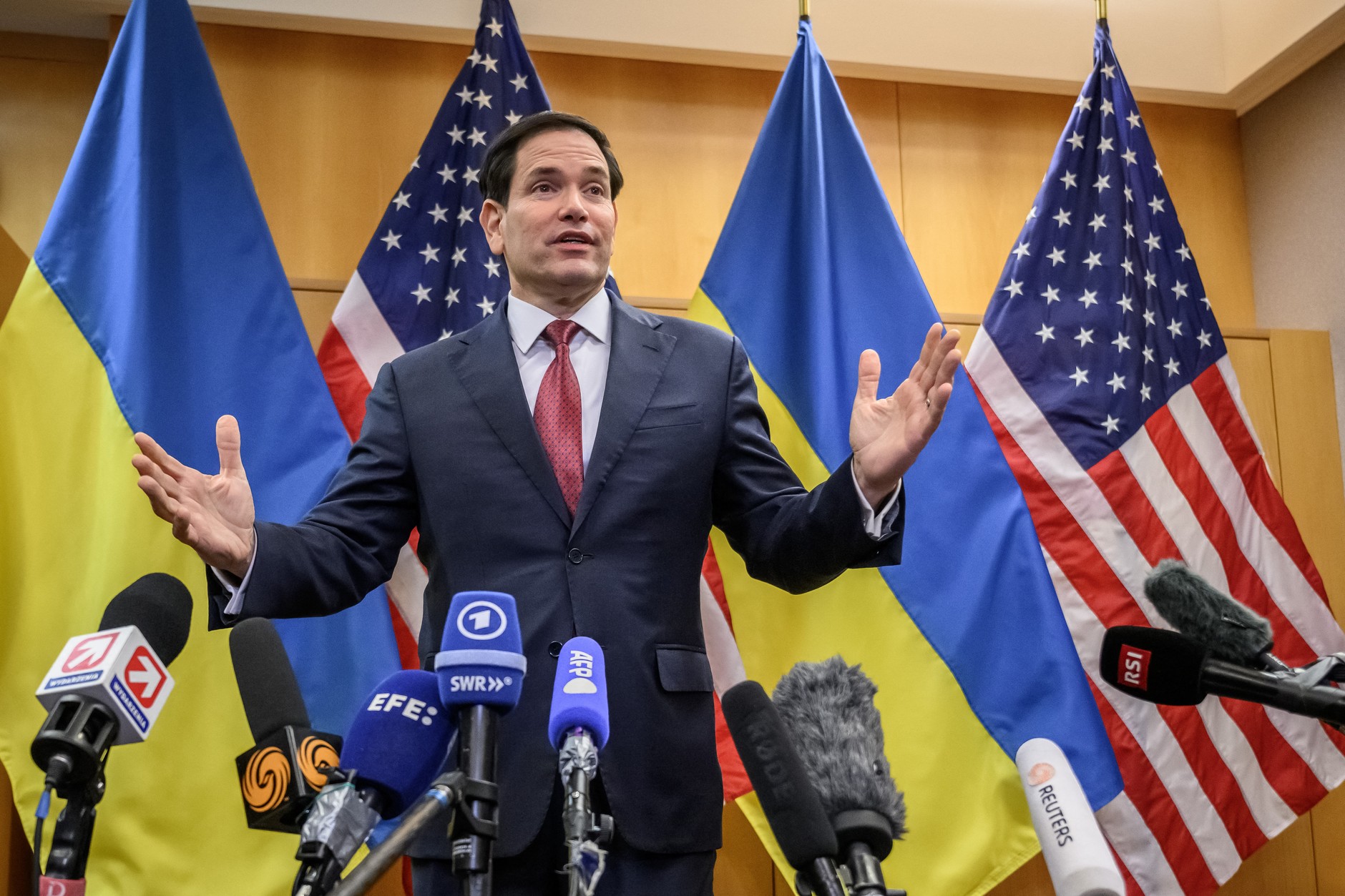
U.S. Secretary of State Marco Rubio during a news conference following closed-door talks on the U.S. plan to end the war in Ukraine in Geneva, November 23, 2025.FABRICE COFFRINI/AFP / AFP
The United States is no longer as committed to the original 28-point plan, which alarmed the allies. While the administration has said it is a starting point and Trump said Saturday it is not “his final offer,” people familiar with the talks say the administration did not initially appear open to other proposals. Rubio called it a “living, breathing document” on Sunday.
The United States and Ukraine have now developed a 19-point plan that includes no territorial concessions and will be discussed by the presidents of the United States and Ukraine, said a senior European official and a sixth person familiar with the talks. The new document was first reported by the Financial Times.
— Rubio simply understands better than many other members of the current administration — none of whom are Ukraine experts, and very few of whom know anything beyond myths about Russia — that even in the difficult situation Ukraine finds itself in, the Ukrainian government simply does not have the ability to sign the capitulation – notes the first European official.
Questions about the origin of the document
There is still no clarity about the original origins of the 28-point plan. While U.S. officials initially claimed it was an American plan with Russian input, Republican Sen. Mike Rounds said Saturday night that Rubio had informed him and several other lawmakers that the plan originally came from Russians. A State Department official denied this and said Rubio did not claim the proposal was initially Russian.
Rubio himself argued a few hours later that “the peace proposal was presented by the United States.” Some lawmakers continue to raise questions about the role of Moscow envoy and Russian wealth fund chief Kirill Dmitriev, who met with Witkoff in Miami last month.
“It's not decided yet,” says another of the four people familiar with the talks. — There is still a belief that it is a document prepared by the Russians, which they persistently present as American.
I’m Ashley Davis as an editor, I’m committed to upholding the highest standards of integrity and accuracy in every piece we publish. My work is driven by curiosity, a passion for truth, and a belief that journalism plays a crucial role in shaping public discourse. I strive to tell stories that not only inform but also inspire action and conversation.