Many people and media explain US President Donald Trump's actions against Venezuela with his desire to restore it control of American companies over the oil industry a country that has the world's largest oil reserves – over 303 billion barrels.
The demonstratively leftist Chavez-Maduro regime expelled Americans from Venezuela along with their technologies, capital and experience, and generals who declared themselves oil workers, together with drug lords, led the industry to deplorable condition. The United States wouldn't mind Venezuelan oil – not only is it plentiful, it's thick and viscous and could help stabilize the mix of American petroleum products.
Demand for heavy grades of raw materialfrom which a high percentage of e.g. diesel oil is obtained, is due to the fact that the oil currently extracted in the USA is mainly light grades with low sulfur content. Americans are forced to import heavy oil from Canada and other countries, including Arab countries.
It would seem that control over Venezuela's vast resources is reason enough to put military pressure on the Venezuelan regime, but the matter is not that simple.
Two basic obstacles
Firstly, mining in Venezuela is in such bad shapethat it will take many years to restore previous levels – much less increase production and exports. Trump simply won't have time to enjoy the real trade benefits of taking control, and a image the current US leader remains almost the main driver of his foreign policy actions.
Moreover, military actions on Venezuelan territory may not only be prolonged, but also trigger resistance from Maduro's supporters. Guerrilla warfare in the jungle does not seem the most attractive background for declaring triumph in Washington.
Given these circumstances, another factor related to oil comes to the fore in the analysis of the US administration's actions towards Venezuela.
Judging by his behavior, Trump is making a desperate attempt to stop the up-and-comer decline in global oil prices. This is not the first such attempt.
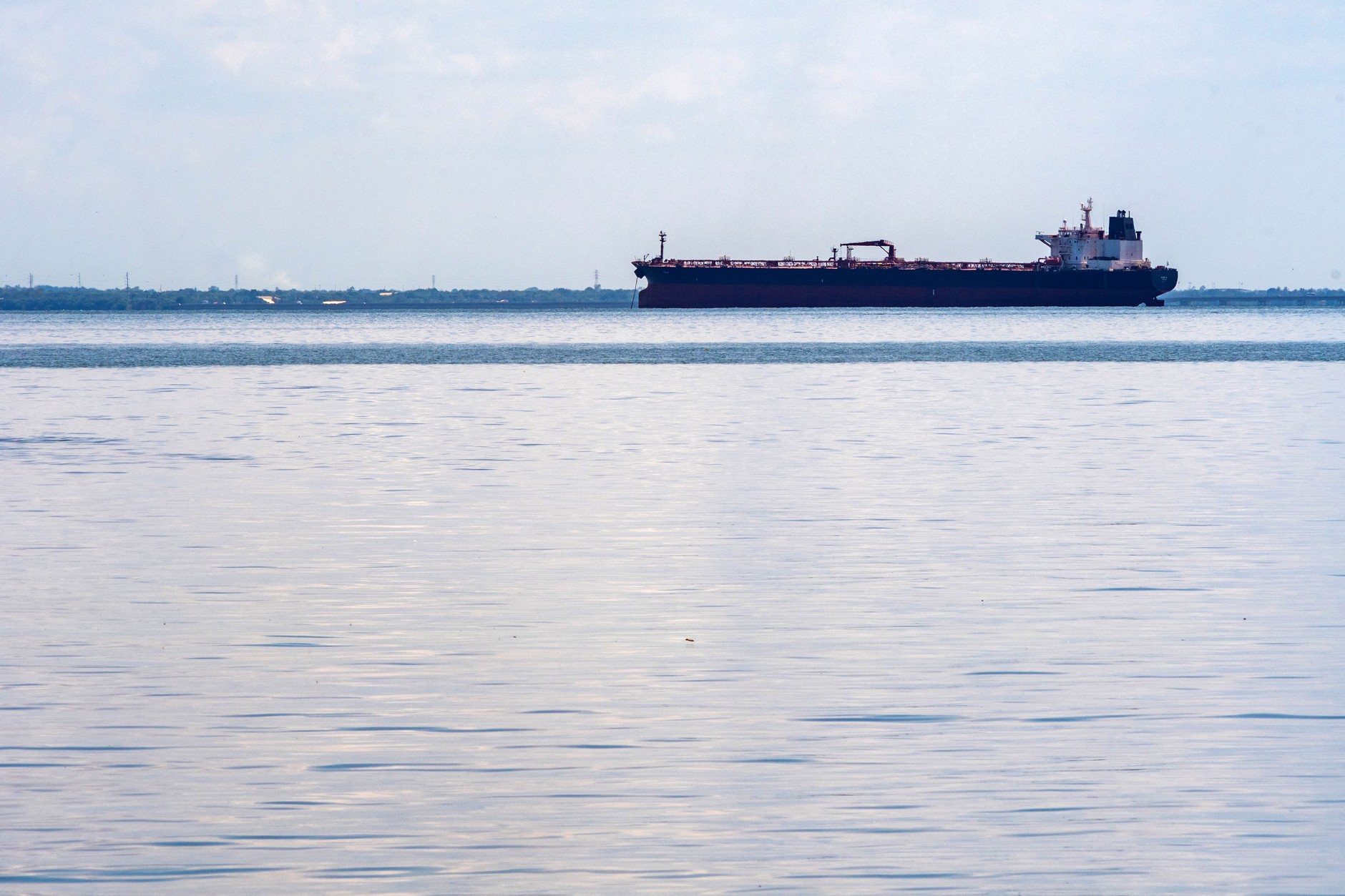
A tanker off the coast of Venezuela, December 18, 2025.Alejandro Paredes / AFP
Trump's goal
In mid-October, the price of a barrel of American WTI crude oil dropped below $57. (PLN 205). It couldn't help but be triggering concern of American oil producers. To maintain the level of production in already operational oil fields, it is enough for operating costs to be less than USD 10-15. (PLN 35-53) per barrel to stay in the black. Starting new projects requires significant capital outlays, and banks may not provide financing if they believe that the price of a barrel will be too low for the foreseeable future. (PLN 161).
When Trump received information from the industry about the impending threat to mining companies, he changed his strategy of not harming the Putin regime and announced sanctions against Rosneft and Lukoil for the first time in his entire term.
At the same time, the White House administration initiated a media campaign, trying to convince the world that such sanctions hit 50 percent. Russian oil exports. The allusion was obvious: a market deficit should be expected, and thus prices would return to a range acceptable for Americans.
The effect turned out to be true short-lived. The flow of oil from Russia has not decreased (instead of the two “punished” companies, their colleagues exported the same quantities). The excess of supply over demand has not disappeared anywhere, and prices, which had spiked for a while, returned to their downward path.
Means of pressure
The pressure on Venezuela was the second attempt saving American industry oil sector from the prospect of underfinancing due to low prices. The most important thing was the announcement of a total embargo on oil exports from this country, not a demonstration of military force on its coast.
However, the market reaction was not what could be expected in the United States. After Trump announced that all tankers flowing to Venezuela would be stopped, the price of a barrel actually increased by over 2%. However, it can be assumed that such a jump, as in the case of sanctions against two Russian companies, will be relatively short-lived. Even if Venezuelan exports actually stop, the excess supply won't go anywhere.
On an average daily basis, Venezuela exported less than 1 million barrels of crude oil and petroleum products, which cannot be considered a critical value for the global balance of demand and supply. The surplus of oil on the market is estimated by various sources at 2-4 million barrels per day.
Apparently, Trump will have to look for other means of pressure to help OPEC stabilize prices.