
2025-04-19 18:00
publication
2025-04-19 18:00
2024 was the warmest in the history of Europe. Fires affected 42 thousand people, and 413,000 storms and floods, including in Poland, and have resulted in 335 fatalities – according to the report on the state of climate in Europe in 2024.
Europe is the fastest warming continent – warned the authors of the European State of Climate 2024 (Esotc) report, recognizing last year not only the warmest in the history of the continent, but also characterized by the greatest climatic contrasts between the eastern and western part of Europe.
For Western Europe, 2024 was one of the most rainy in at least 1950. The storms were strong and often caused floods. Almost a third of European rivers exceeded the “high” and 12 percent. “Serious” flood threshold. In September last year The storm Boris hit Central and Eastern Europe, bringing heavy rains and causing catastrophic floods in Poland, Austria, the Czech Republic, part of Germany, Romania and Italy, as well as in Hungary and Slovakia. At the end of October, extreme rainfall and floods hit Spain, especially the Valencia region. In general, about 413 thousand suffered as a result of the flood. residents of Europe, and 335 lost their lives. It is estimated that these were the most extensive floods on the continent since 2013.
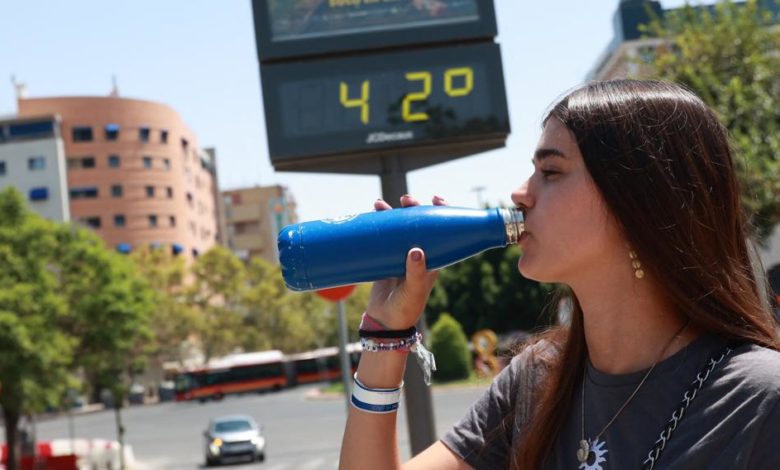
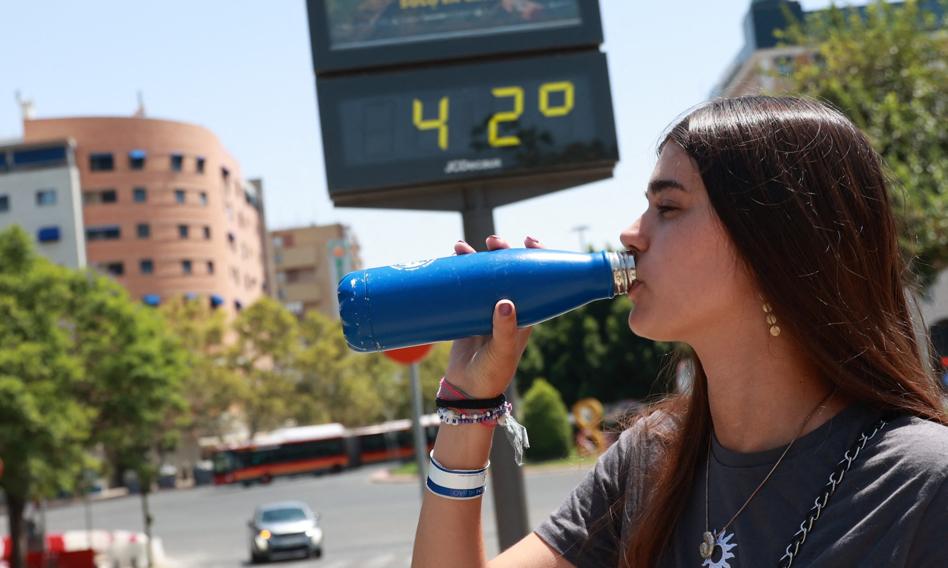
Simultaneously Southern and Eastern Europe was struggling with extreme heat and drieds in the summer. According to the report, the number of days with “strong”, “very strong” and “extreme heat stress” – when due to hot weather, the body is not able to cool down effectively – it was the second highest in the history of Europe.
60 percent The continent has recorded more hot days than the current average. In south-eastern Europe, the hottest month was July, when the wave of extreme heat lasted continuously for almost two weeks. In the summer, a total of 66 days of “strong heat stress” and 23 tropical nights were recorded in the region. Almost a month of heat and about 12 tropical nights were recorded throughout Europe. “The heat can expose the body to stress, and high temperatures at night negatively affect health, giving little rest and respite after hot days,” the researchers noted.
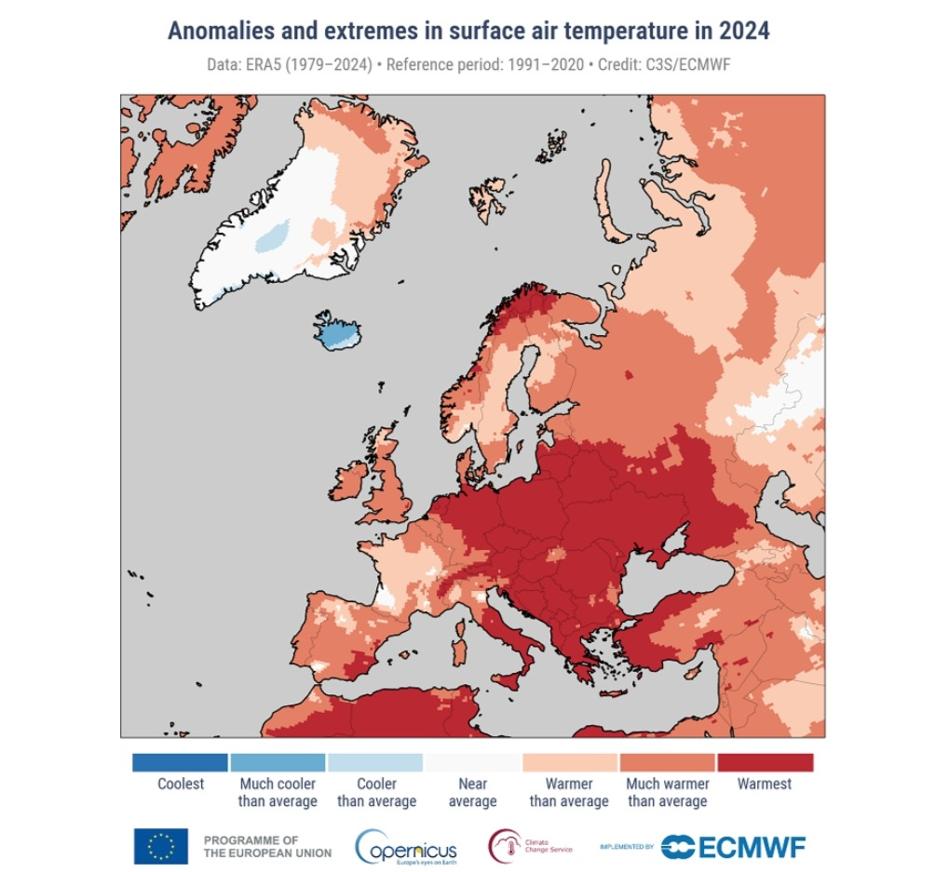
Not only people and animals suffered from hot weather. The data showed that in all regions of the continent there was also a loss of ice, and Europe has experienced the smallest number of frosty days in history. The glaciers in Scandinavia and the Svalbard Peninsula recorded the highest mass loss indicators in history among all glacial regions in the world, with an average loss of a thickness of 1.8 MW of Scandinavia and 2.7 m on Svalbard. It was also the third warmest year in history for the Arctic as a whole and the fourth warmest for the land in this region.
On the other hand The European South was struggling with fires. In September, in only one week in Portugal, they digested about 110,000 ha forests, which constituted about a quarter of the total area burned in 2024 in Europe. It is estimated that about 42,000 suffered due to last year's fires. Europeans.
The temperature of the sea, which last year was the highest in the history of the continent and amounted to 0.7 degrees C above the average, and for the Mediterranean sea, up to 1.2 degrees C. above average.
Europe is trying to defend itself – last year, a record 45 percent were obtained from renewable sources. electricity in the EU, and the number of countries that began to depart from fossil fuels in favor of alternative energy sources, has doubled compared to 2019. Climate initiatives are also taken in cities. In Paris, the authorities invested in planting trees and the expansion of city parks, additional water reservoirs and gardens irrigated with rainwater were created in Bratislava.
Researchers estimate that global warming by 1.5 degrees Celsius can cause up to 30,000 in Europe. Additional deaths a year due to extreme heat.
The report on the state of the climate in Europe was published by the World Meteorological Organization (WMO) and the Copernicus EU Satellite Satellite Program chaired by the European Medcast Forecasts at the European Commission. Almost a hundred scientists worked on this year's report.
From Brussels Jowita Kiwnik Pargan (PAP)
jowi/ akl/


