The US special envoy for Ukraine, Keith Kellogg, plans to leave the administration in January, four sources told Reuters.
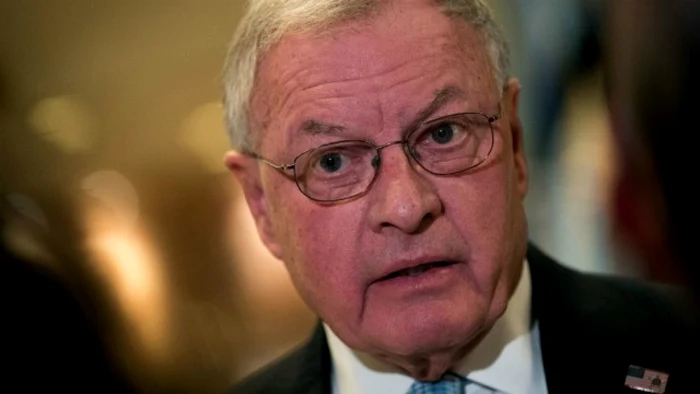
Keith Kellogg/PHOTO: Getty Images
According to Reuters, the departure would mean the loss of an important supporter of Ukraine within the Trump administration.
The position of special presidential envoy is a temporary one, and such envoys, in theory, must be confirmed by the Senate to remain in office for more than 360 days. Kellogg has indicated that January would be a natural time to leave under existing law, said the sources, who spoke on condition of anonymity to discuss private conversations.
The retired lieutenant general was seen by European diplomats, including Ukrainians, as a close supporter in an administration that has at times leaned toward Moscow's view of the origins of the war in Ukraine.
The news comes after the US told Zelenskiy that Ukraine would have to accept a peace framework that involves giving up territory and arms, as well as reducing the military, which would represent a major setback for Kiev.
The proposed framework was led by US special envoy for peacekeeping missions, Steve Witkoff, and Kellogg does not appear to have had a role in drafting it.
Kellogg has been more vocal in his condemnation of Russian attacks on Ukrainian civilian infrastructure than other Trump administration officials. He has sometimes clashed with Witkoff, who has echoed some of the views of Russian President Vladimir Putin and has long advocated a territory swap against Ukraine as part of a long-term peace deal.
Among Kellogg's successes is facilitating the release of dozens of hostages held by Belarusian leader Alexander Lukashenko in exchange for limited sanctions relief.
The White House and State Department did not respond to requests for comment.
A person familiar with Kellogg's decision said he did not intend to stay in the administration long.
Although Trump has been intensely focused on ending the war in Ukraine, his approach has varied considerably.
In March, it temporarily suspended some intelligence sharing with Ukraine, then quickly resumed it. In recent months, intelligence sharing with Kyiv has increased again.
Trump created a program through which European allies buy weapons for Ukraine, but he has made major cuts to military assistance programs established by Biden. He initially called for an immediate truce, then dropped the idea, later resuming it after meeting Zelenskiy.
The recent proposal led by Witkoff suggests an accommodation towards Russia. Meanwhile, an American delegation led by the Secretary of the Army and the Chief of Staff is in Kiev for meetings with Zelenskiy.
Kellogg had a good relationship with Trump, but it's unclear who will replace him; The US does not yet have a confirmed ambassador to Ukraine, and Julie Fisher is acting head of mission in Kiev.