November 19 10:00
Specialists from the Russian medical center spoke about modern approaches to the treatment of leukemia.
Leukemia is a disease of the hematopoietic system in which the bone marrow begins to produce too many immature blood cells. These cells do not perform their functions and crowd out healthy ones. As a result, immunity is impaired, the level of red blood cells and platelets decreases, weakness, bleeding and frequent infections appear.
Today, leukemia is successfully treated, and many patients achieve long-term remission and return to a full life.
An individual approach is the basis of therapy. Treatment is selected strictly individually. The form of leukemia (acute or chronic), genetic characteristics of the cells, age, general condition and concomitant diseases are taken into account. In modern clinics, therapy is planned by hematologists, chemotherapists and transplantologists, jointly developing a regimen that will give maximum results with minimal stress on the body.
Leukemia, treatment: chemotherapy. This is the main treatment method used for most forms of the disease. The drugs are administered in courses and suppress the growth of pathological cells. During treatment, the patient receives not only drugs, but also support for the body: this can be a blood transfusion, drugs to restore immunity and prevent infections.
Targeted therapy. This is a targeted treatment. The drugs do not affect all cells in a row, but only those with a certain mutation. This approach preserves healthy tissue and reduces side effects. Before prescribing, doctors conduct molecular testing to determine whether targeted therapy is appropriate for a particular patient.
Immunotherapy. The body receives help in the form of medications that activate its own immunity. These can be monoclonal antibodies or special cells that can recognize and destroy malignant elements. Immunotherapy is often used for relapses or in combination with other methods – it helps to enhance the overall effect and increase the chances of lasting remission.
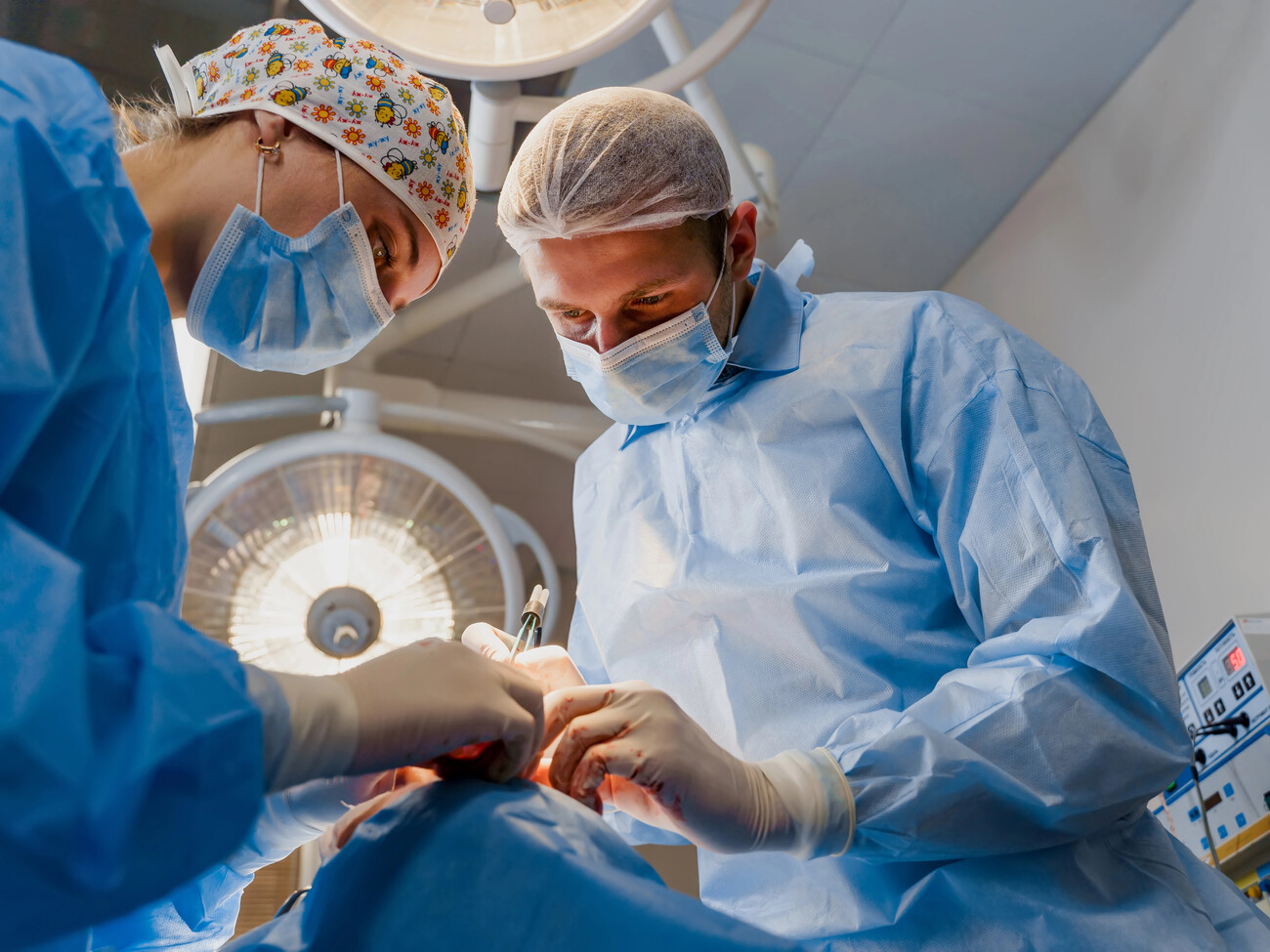
Stem cell transplantation. When the disease does not respond to treatment or returns after remission, the doctor may recommend a bone marrow stem cell transplant. Before this, a preparatory course of chemotherapy is carried out to clear the bone marrow of affected cells. Then the patient receives donor or own healthy cells, which begin to form a new hematopoietic system. This is a complex but effective method that gives a chance for a complete recovery.
Supportive therapy and rehabilitation. After the active stage of treatment, the patient requires recovery. Supportive care includes proper nutrition, vitamins, medical supervision and infection prevention. During this period, it is important to help the body gradually return to normal functioning and prevent complications. It is important for the patient to receive comprehensive support: medical supervision, psychological support and lifestyle recommendations. This approach helps you undergo treatment calmly and confidently.
Prospects for treatment. Early diagnosis and timely initiation of therapy significantly increase the chances of recovery. Modern drugs act precisely and reduce the toxicity of treatment. With the right regimen, many patients live for decades without signs of disease.
Advertising. LLC “Center for Innovative Medical Technologies”. INN 7701362604. License dated August 13, 2019 No. LO41-01148-78/00343842. erid: 2Vtzqvcauqq