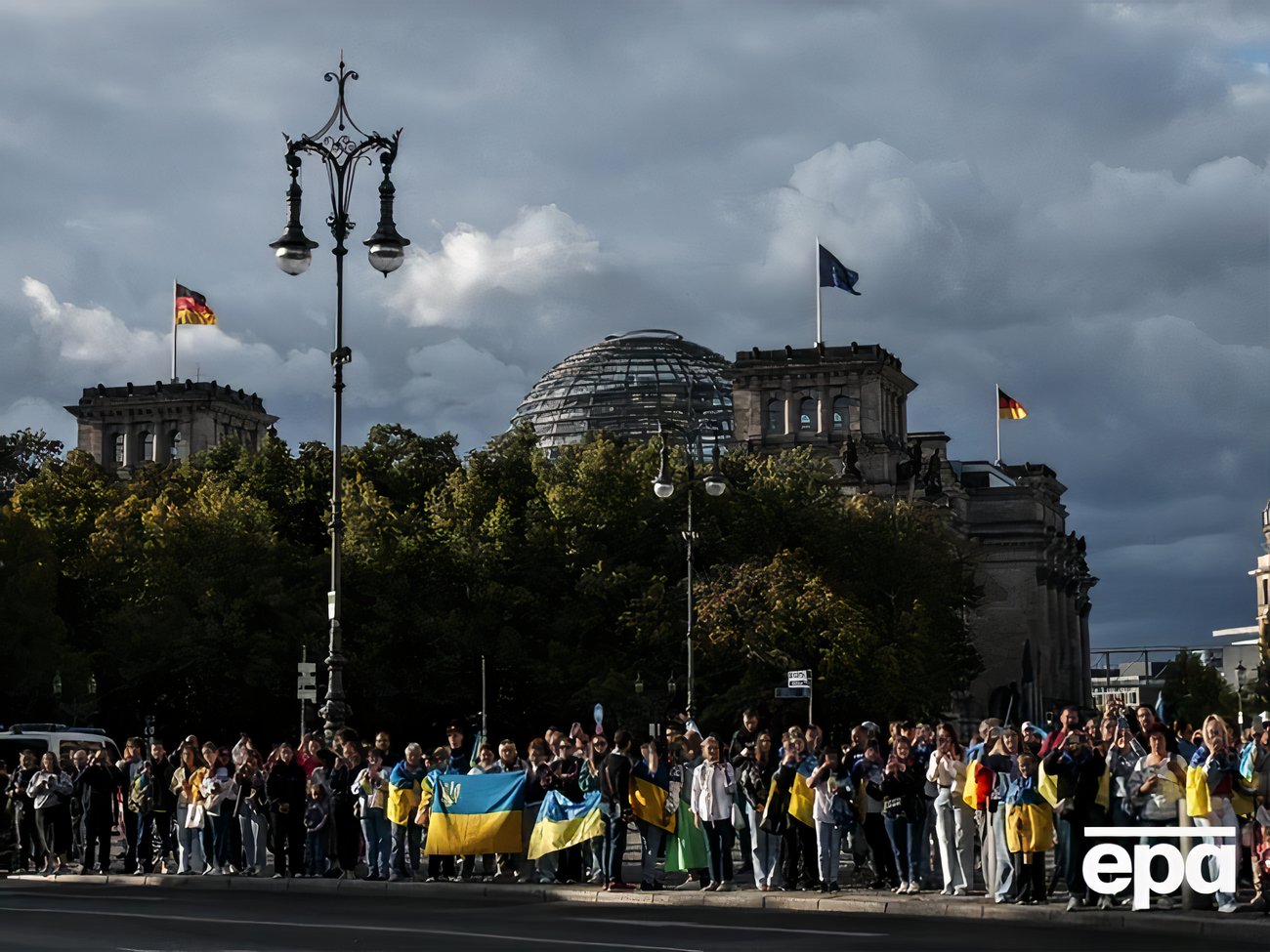
This decision was made by German Interior Minister Alexander Dobrindt and Social Policy Minister Bärbel Bas.
Thus, newly arrived Ukrainians will actually lose their special status in Germany, and, accordingly, will receive smaller payments.
Initially, the German authorities wanted to deprive Ukrainians of payments retroactively. But local authorities opposed this idea, arguing that the procedure would be too complicated.
As Bild pointed out, the German authorities made this decision due to the fact that relatively few Ukrainians work in Germany.
About 1.1 million Ukrainians now live in Germany, who fled the country due to full-scale Russian aggression.
They receive €563 monthly in basic assistance. In addition, the state compensates Ukrainian refugees for housing and utility costs.
Persons seeking asylum in Germany receive about €196 monthly.
Context
According to information from the Office of the UN High Commissioner for Refugees, more than 5.13 million Ukrainians are registered in Europe who left Ukraine due to the invasion of the aggressor country Russia.
On August 28, the head of the Office of Migration Policy, Vasily Voskoboinik, said that up to 70% of migrants may never return to Ukraine.
In October, the media wrote that the number of 18–22-year-old Ukrainians arriving in Germany has increased almost 100 times.