A “corner of paradise” in agony: A major European newspaper writes about the problems in the Danube Delta, which are hardly talked about in Romania


To get to Chilia Veche, a town with 1,700 inhabitants in the Danube Delta, you have to take a boat from Tulcea and sail for more than three hours on an arm of the great European river. The small fishing port, made up of old cottages and a few apartment blocks dating back to the communist era, is located in the heart of this region on the edge of Europe, where rivers and canals flow through lakes, forests, islets and reedbeds before emptying into the Black Sea, reports Le Monde for his readers in a report in which he writes about how biologists and locals observe the direct and indirect effects of the war in Ukraine on the fauna and flora of the Delta Biosphere Reserve.
The great French daily recalls that the Danube Delta, one of the best-preserved ecosystems of its kind in the world, was inscribed on the UNESCO World Heritage List in 1991, then elevated to the status of a transboundary biosphere reserve, covering 5,200 square kilometers.
Several fragile ecosystems have formed, providing refuge for nearly 3,000 varieties of plants and 4,300 species of animals, including more than 300 species of birds.
“In this little 'corner of paradise' has always lived 50-year-old Mircea Ghiban, president of the local fishermen's association and proud descendant of a minority of Ukrainians who settled in this area several centuries ago. But since February 2022, this 'paradise' has been disrupted by the war in nearby Ukraine. Kilia, a Ukrainian town of about 20,000 inhabitants, is visible on the shore opposite, approximately 200 meters away in a straight line”, writes Le Monde in the report made after visits to Chilia Veche, Sfântu Gheorghe and Tulcea by one of its special correspondents, Marine Leduc.
Destroyed fishing nets
Ukrainian ports on the Danube, which have replaced Odesa for the export of grain and other goods, are regularly attacked by Russian drones and missiles, whose deafening explosions can also be heard on the Romanian side.
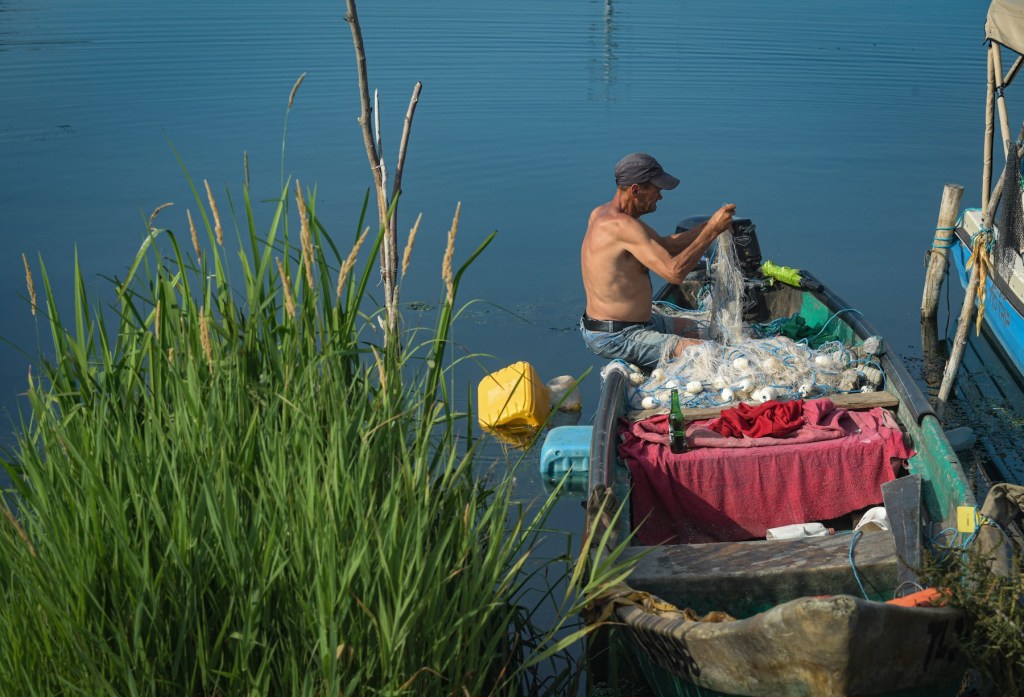
Despite this, the Chilia arm of the Danube has become one of the entry points for cargo ships traveling to and from the river, with maritime traffic almost tripling since the summer of 2022, Le Monde continues its story, adding that the ships are destroying fishing nets placed along their route, and for some fishermen it has become almost impossible to continue their work:
“Mr Ghiban reports a loss of almost '20% to 30%' of his usual catch”.
Already threatened by climate change and human activities, which have notably caused the lakes to dry up during the summer, the delta's biodiversity also suffers from the indirect effects of war. Mr. Ghiban notes the decline in the population of sturgeon, a protected species, in the Chilia arm of the delta. “Before, I would always catch one by mistake in my nets, which I would then release. Now, there are hardly any left,” he told Le Monde.
That observation is also made by Iulian Nichersu, scientific director of the Danube Delta National Research and Development Institute (INCDD) from Tulcea, for whom the war acts as a “systemic shock” that risks exacerbating the existing climate threats in the long term.
“In the case of sturgeons, they are the first victims of warming [globale] due to the loss of connectivity between the lakes and the salinization of the areas where they reproduce,” the biologist explained to the French daily and its audience. “But it is true that maritime traffic and explosions, especially noise, can affect them, and not just this species,” he emphasized.
Plastic waste in the arms of the Danube
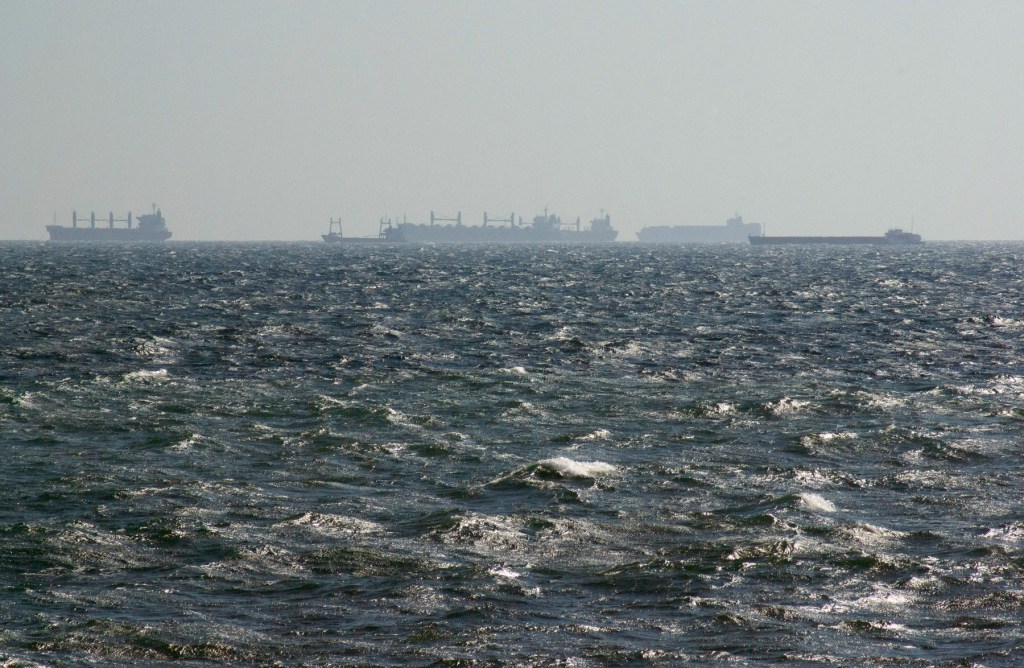
Another consequence of the increase in maritime traffic is the increase in the amount of waste along the coast and in the channels frequented by cargo ships. On the beach of Sfântu Gheorghe, the last fishing village at the end of another arm of the delta, dozens of ships are visible on the horizon.
They sometimes wait two to three weeks before entering the Sulina waterway to reach the Danube ports. Here, locals and biologists have noticed increasing amounts of plastic waste and household bags in the water since the summer of 2022, which they believe is dumped directly from ships.
Le Monde's special correspondent also spoke to 61-year-old Nicolae Uncu, who says he collects trash every time he goes fishing at sea. He witnessed this proliferation, “which peaked after the destruction of the Ukrainian Kahovka Dam” on the Dnieper River in June 2023.
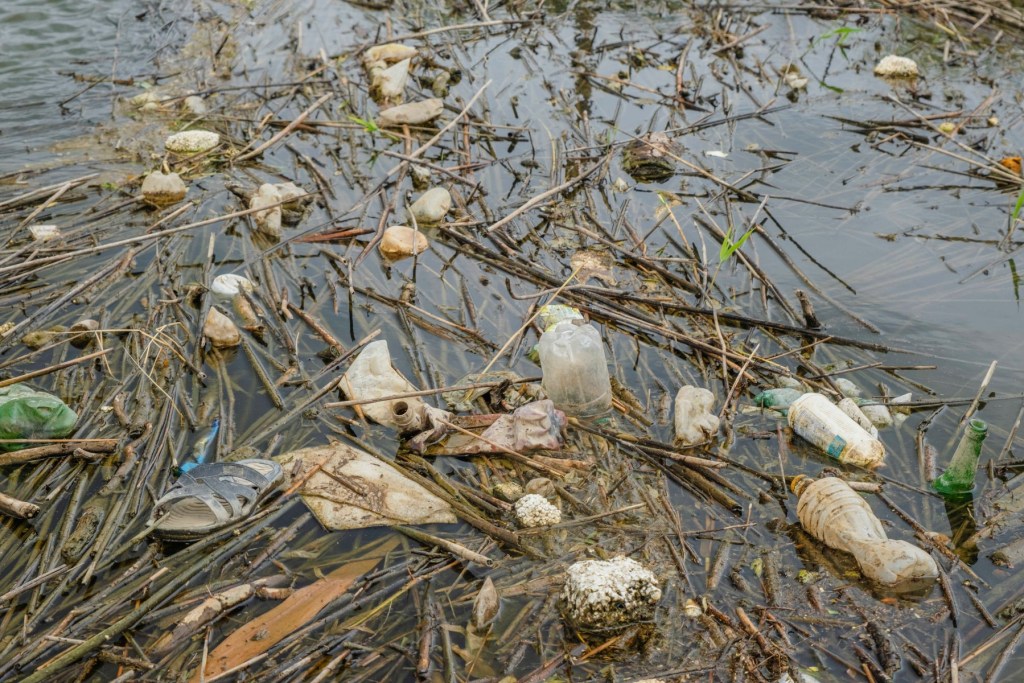
Tons of debris were then dumped into the Black Sea, and with the current flowing from east to west, much of it drifted to the wild beaches of the delta. Sea mines and drone debris were also washed up by the waves along the coast.
In addition to this waste, several fishermen at sea and in the Chilia Channel reported seeing “blobs” of engine oil, probably spilled by cargo ships. Although they reported this to the authorities, “nothing was done,” they told Le Monde.
“However, proving and confirming the origin of this waste and pollution is difficult, even if sources within the reserve authorities admit that they are aware of the problem,” writes the French daily.
In turn, Mr. Nichersu laments the lack of resources and authorizations to conduct studies and measure the impact of the war, “as it should be”. According to the INCDD director, determining pollution caused by bombing or maritime traffic has become a complicated task: researchers have limited access to the Chilia arm of the delta and can no longer use observation drones throughout the territory.
The pelicans take refuge in the Romanian part of the reserve
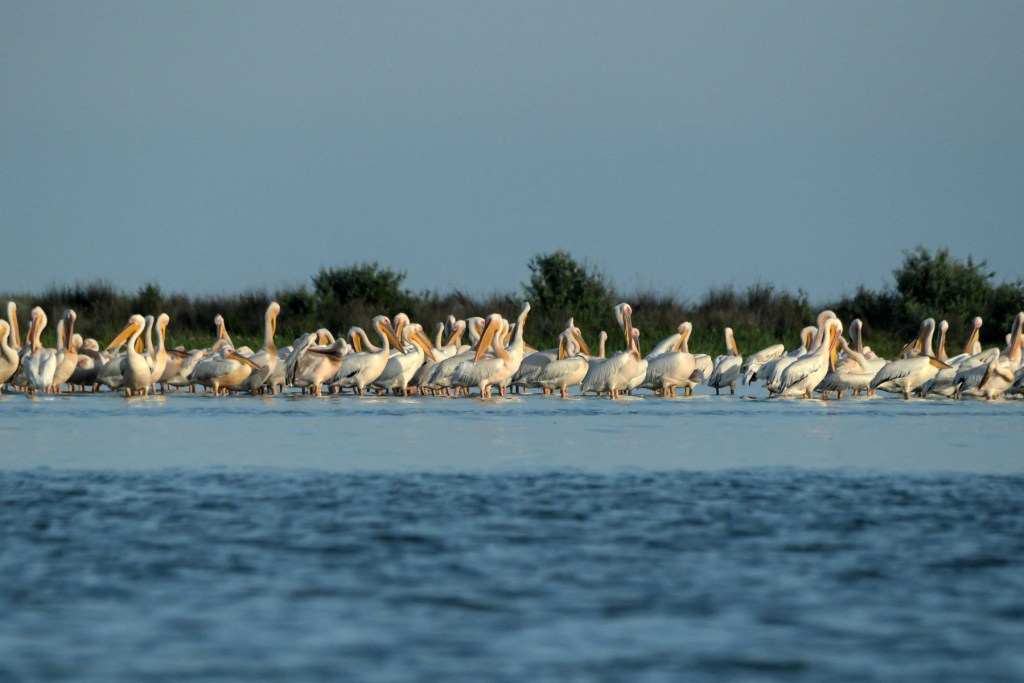
On the Ukrainian side, officials in charge of the reservation say that access to certain areas of the delta has been strictly forbidden to them since the beginning of the war. Therefore, they say, they cannot assess the bombing damage to flora and fauna. However, they say that they noticed “much fewer pelicans”, which “seem to have taken refuge on the Romanian side”.
Environmental NGOs strive to carry out their projects as well as possible. This is the case with Rewilding Ukraine, which implements rewilding and ecological restoration programs. In the Danube Delta, the NGO introduced water buffaloes, which, according to the team leader in charge of the project, Mihailo Nesterenko, “are doing well”.
The NGO is also close to completing a project to reconnect the delta's lakes, which had been filled in during the Soviet era. The process has been delayed by the difficulty of finding specialized machinery, but also “people to dig the canals, because many have left or been recruited”, adds Mr Nesterenko. He points out that these are “important” projects for local communities, which he says support nature restoration and conservation projects.
PHOTO article: Radu Dumitrescu Dreamstime.com.