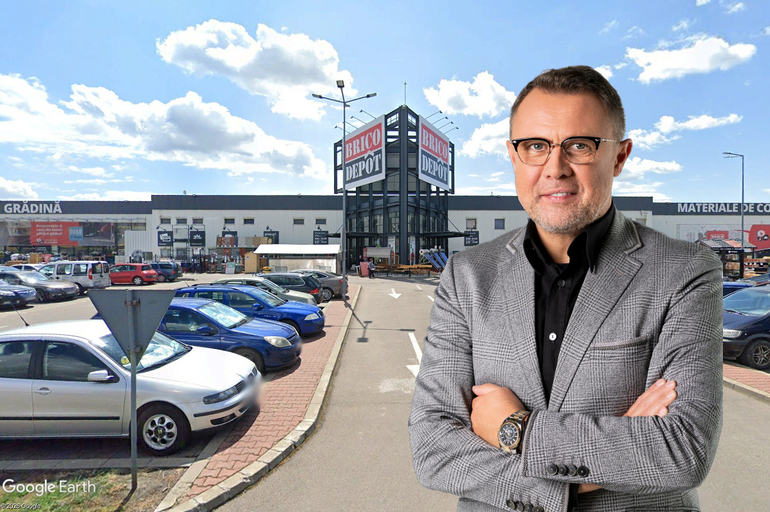
Sorin Grindeanu, a new attack on Ilie Bolojan: “They promised reform. They delivered recession!”

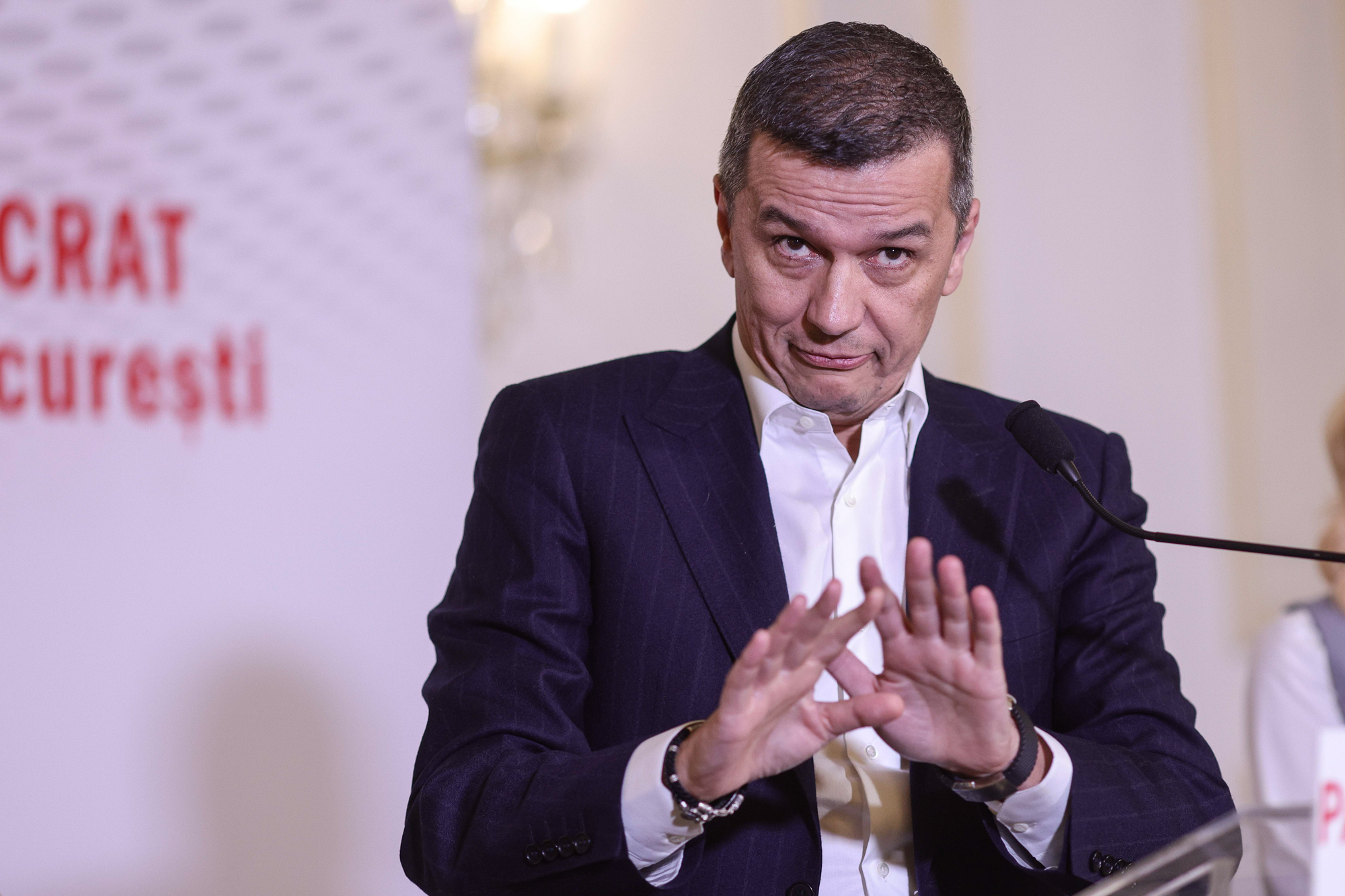
PSD President Sorin Grindeanu states, in a post on Facebook, that the first quarter of 2026 could become the third consecutive quarter of economic decline, a period that passed with Ilie Bolojan as prime minister.
“A few days separate us from the crucial announcement that Statistics is going to make about the evolution of the Gross Domestic Product. In the event of a new decrease in GDP, we will no longer speak of a “technical recession”, but of an economic crisis! Three quarters that were consumed under the mandate of Ilie Bolojan. This is the cruel and hard truth about the “prime minister of reforms”, about “austerity that heals”, about the story sold to Romania for almost a year”, wrote the leader of the social democrats.
He argues that the INS announcement will confirm a third consecutive quarter of contraction in the economy as major banks revise down their growth outlook.
“83,000 companies delisted in 2025. 47,000 dissolved in the first 10 months alone — 32% more than in 2024 (…) In the first 3 months of 2026, another 1,900 companies went into insolvency (+14%) and 5,500 suspended their activity”, continues Grindeanu.
He also cites the increase in unemployment, which has reached 6.3%, the equivalent of 500,000 Romanians who do not have a job.
“This is the true 'Bolojan heritage'. Politicians don't say it. PSD doesn't say it. It is said by INS, ONRC, BNR, IMF and all the big banks that revise their forecasts downward, month by month. They promised reform. They delivered recession!”, concluded Grindeanu.
On February 13, when it was confirmed that Romania entered a technical recession after two consecutive quarters of economic contraction, Prime Minister Ilie Bolojan said that the recession was an “anticipated and inevitable” cost of the transition he had started, because the old “economic model put our backs against the wall”.
Ilie Bolojan claimed that since he took over the position of prime minister “we started the transition from a model based on deficit and consumption, apparently generating prosperity, but in fact destructive, to a model based on investments, productivity, export and budgetary discipline”.
He says the technical recession “is part of the anticipated and inevitable cost of this transition, which will ultimately lead us to a solid economy, healthy growth and real prosperity based on what we produce, not through more and more expensive borrowing.”