Heavy fighting at Pokrovk. The tactic by which the Russians want to drive the Ukrainians out of the city

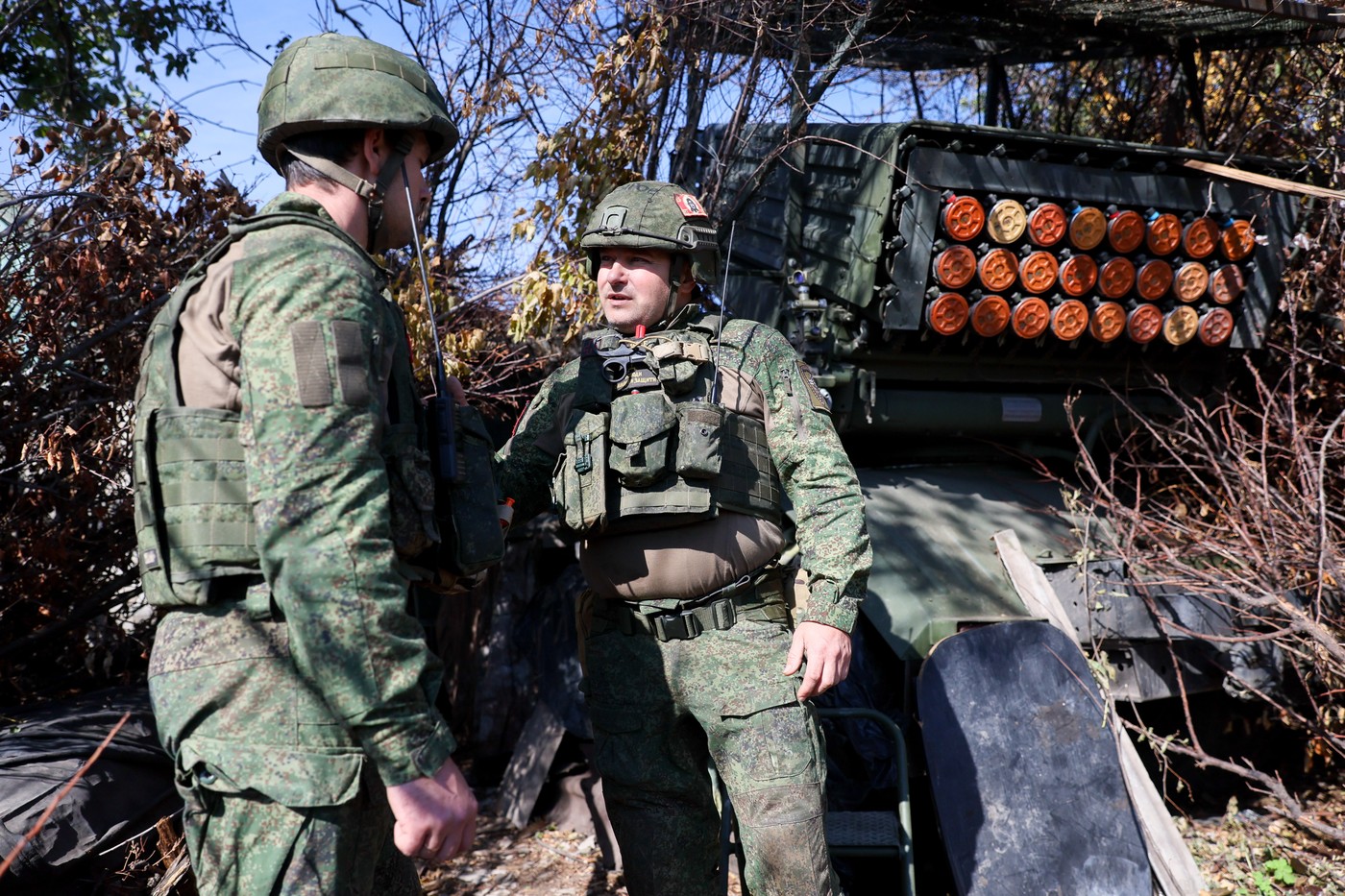
Russian troops continue to advance inside the eastern Ukrainian city of Pokrovsk, according to Moscow, while Kiev says its troops continue to hold out there, but military observers report constant attacks by Russian drones on vital Ukrainian army supply lines and an increasingly significant penetration of Russian infantry into this key city, whose fall is imminent and would have implications for the entire Donetsk front, Reuters and EFE agencies reported on Monday. quoted by Agerpres.
Ukraine has sent new assault and special forces units to defend the city, and the commander-in-chief of the Ukrainian army, General Oleksandr Sirski, even claims that his troops are about to push the enemy out of the city. But, despite some small Ukrainian successes in some places of that front sector, the overall situation continues to be serious, according to analysts.
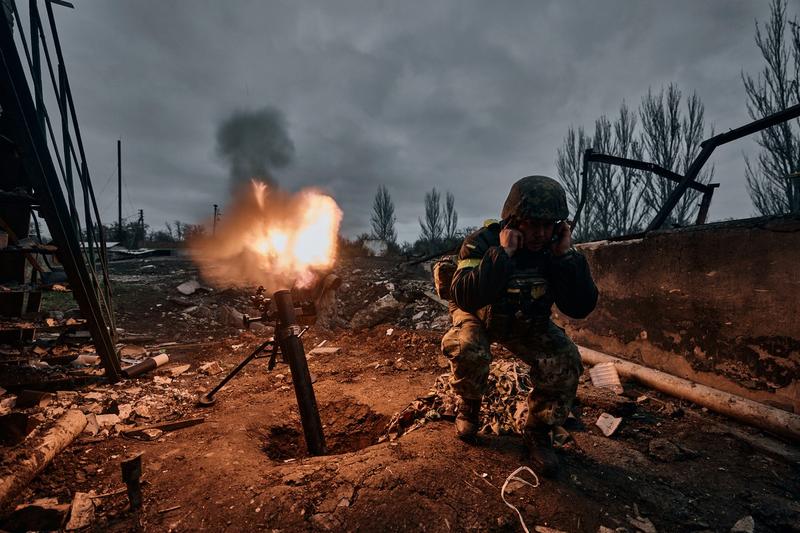 The fight for the “gateway to Donetsk”. Difficult situation for Ukrainian troops on a day when Russia claims to have destroyed the special forces sent to Pokrovsk / Firm message from Kiev
The warning of a former Minister of Defense
Russian troops continue to attack and infiltrate Pokrovsk in small groups of up to five soldiers, without using armor, reports a unit of the Ukrainian army on Facebook.
The analytical platform DeepState, close to the Ukrainian army, reported on both Saturday and Sunday about Russian advances in the center and west of the city of Pokrovsk. The situation is “not under control” as it is extremely difficult to detect and eliminate the small groups of Russian soldiers who are now in most of the city, while other groups of the Russian army are infiltrating the city, explains a commander of a Ukrainian drone battalion.
The reports of the Ukrainian military command are made up of “more and more lies”, the former Ukrainian defense minister Vitali Deinega wrote on Facebook during this time. “We practically lost Pokrovsk, which means that it no longer makes sense to even defend Mirnograd”, estimates the former minister, referring to the satellite city that depends on the logistics coming from the direction of Pokrovsk.
In the opinion of Vitali Deinega, if the Ukrainian troops are not quickly withdrawn from there, not only will many highly motivated soldiers be lost, but in addition “we could find ourselves in a situation where there will be no one left to plug the breach on the front, and the fortifications dug in our rearguard will quickly fall into the hands of the enemy”.
Two elite Ukrainian units, which were deployed there last week, fail to make progress in a city where various brigades and much larger regiments are already fighting, Ukrainian military blogger and drone operator Yuri Butusov noted on Facebook.
“The challenge is to ensure logistics and freedom of maneuver for those who are already there,” he explains, as reports come from the front that Russian drones are destroying all vehicles trying to bring ammunition and medical supplies to the semi-encircled Ukrainian formations.
The drone that changed the course of the battle for Pokrovsk
Other Ukrainian observers have compared the development of the Pokrovsk battle to the Russian counteroffensive in Kursk, signaling that the situation on the Pokrovsk front began to deteriorate with the arrival of the Russian Rubikon drone unit in the spring.
“Just like in Kursk, the enemy first took control of all logistical routes with the help of drones. Then they advanced with infantry,” explained military correspondent Yulia Kirienko-Merinova from the TSN television network, pointing out that so far the Ukrainian military command has not been able to find a solution to this Russian tactic, despite the increasingly extensive use of drones to compensate for the troop shortage.
However, the defense of the city of Pokrovsk is not yet doomed, military analyst Oleksandr Kovalenko said on Monday in an analysis for the Information Resistance group. He believes that the dismissal of the commander of the Russian 51st Army Corps demonstrates that the Russian command in Moscow is not satisfied with the reality on the ground, contrary to what the Chief of the General Staff of the Russian Army, General Valery Gerasimov, said, who said that Ukrainian troops are “blocked” in Pokrovsk.
Instead of focusing solely on encircling the city of Pokrovsk, notes Oleksandr Kovalenko, that Russian army corps attempted to advance toward Dobropillia, but failed to achieve either objective and suffered heavy losses.
Between three and eight kilometers currently separate the two groups of Russian forces trying to encircle Pokrovsk from the west and east, which gives hope to Ukrainian forces that continue to counterattack northeast of the city to reduce pressure on Ukrainian units.
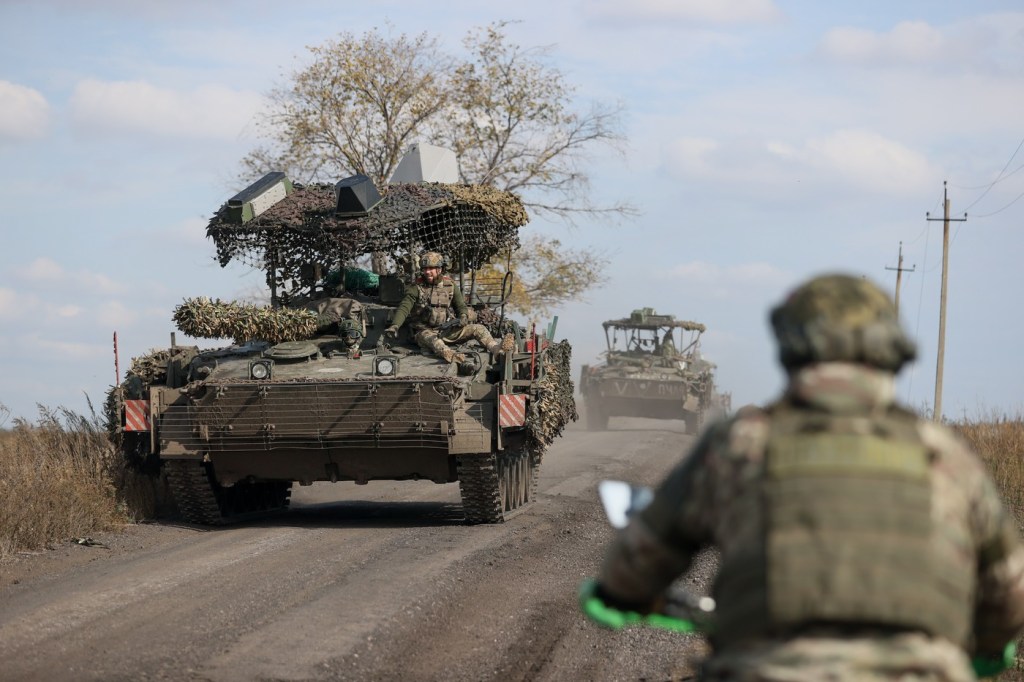 Battle for Pokrovsk: Russians announce destruction of Ukrainian special forces sent to defend 'gateway to Donetsk'
The strategic importance of Pokrovsk
According to the Russian Defense Ministry, its troops continue to advance into Pokrovsk and eliminate what it describes as Ukrainian army formations surrounded near the train station and industrial zone. Kiev denies that its units are encircled, but by “encirclement” the Russians rather describe a tactical situation in which enemy troops are not completely encircled, but only partially encircled, but their remaining escape and supply routes are in the way of Russian artillery and drones.
The assault on the city of Pokrovsk, an important logistical hub, is part of Russia's strategy to occupy the entire region of Donbas, consisting of Donetsk and Lugansk provinces and of which Ukraine still controls approximately 10%.
The capture of the city of Pokrovsk, dubbed the “gateway to Donetsk” by Russian media, and the city of Kostiantinivka to the northeast, which Russian troops are also trying to encircle, would give the Russian military a platform to push further north into Donetsk's last two major Ukrainian strongholds, the cities of Kramatorsk and Sloviansk.
The advance of Russian troops in Ukraine held steady in October, and the eastern Donetsk region remains the most threatened, according to an AFP analysis based on data provided by the US Institute for the Study of War (ISW). According to these data, in October Russia occupied another 461 square kilometers of Ukrainian territory, compared to 447 square kilometers in September, and the monthly average for the current year is close to these figures.