US sanctions drive Russian oil out of Europe. Analysts anticipate a “catastrophic” effect on Lukoil


Sanctions announced by Donald Trump on oil giants Rosneft and Lukoil will probably not be enough to cripple Vladimir Putin's war machine, but they are expected to be of great help to the EU in getting Russian oil out of the bloc, Politico reports.
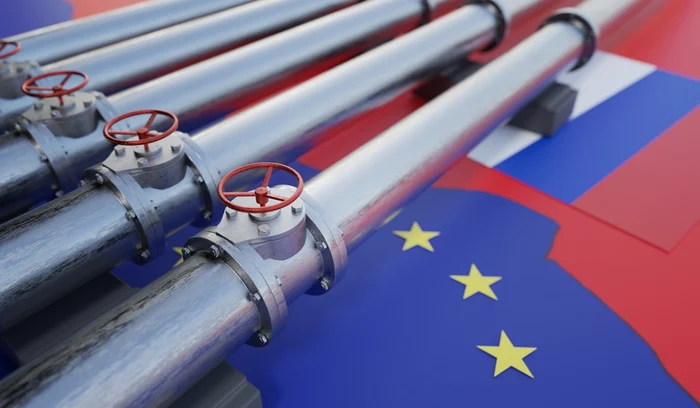
US and EU target Russian oil photo shutterstock
The details are being worked out, but in theory these sanctions could force the two oil giants to sell their assets and thus end Europe's supply of oil through its pipelines.
“I am ready to impose major sanctions on Russia when all NATO countries agree and start doing the same, and when all NATO countries STOP BUYING OIL FROM RUSSIA,” Trump wrote a month ago, describing the continued purchases as inexcusable behavior in the context of oil revenues fueling Putin's war.
“It's an important step and will force … European countries and companies that have continued to import energy to reconsider these deals,” said Kimberly Donovan, a sanctions expert at the Atlantic Council think tank.
US sanctions will cause serious damage to the oil giants
Rosneft and Lukoil account for about two-thirds of the 4.4 million barrels of crude that Russia exports daily, estimates David Fyfe, chief economist at media consultancy Argus.
Sanctions threaten to knock out “half” of those supplies, he explained, given that the giants will no longer be able to sell in dollars, the currency used almost exclusively for international crude trade.
The sanctions will have a significant impact on Lukoil in particular, a former director of the company said on condition of anonymity.
Lukoil will likely have to sell its stakes in projects abroad from Egypt to Iraq, he said, estimating that could affect up to 20 percent of its revenue.
Still, most Chinese and Indian buyers, two of Russia's biggest trading partners, are likely to continue imports, said Homayoun Falakshahi, head of crude oil analysis at Kpler, given low prices and limited alternatives to China.
After an initial hiatus, “most buyers will return to purchasing” once they find alternatives, including buying through companies that will disguise their Russian ownership.
The measures “will complicate exports and trade,” says Vladimir Milov, Russia's former deputy energy minister and a critic of Putin. But “these companies … already have alternative working schemes, so there will be damage, but it will be limited.”
A clearer impact of the sanctions will be felt in Europe
The US measures will likely have a more visible effect in Europe.
The EU has struggled to end its energy dependence on Russia. Brussels has imposed an embargo on Russian crude oil, fuel and coal entering the EU bloc by sea and reduced the Kremlin's presence in the gas market from 45 to 13 percent. They are currently working on a bill that would reduce this presence to zero.
Rosneft, which once owned refineries and controlled oil flows to Germany, was largely divested after Berlin took control of its local subsidiary in late 2022.
“We assume that the measures taken by the United States … do not target Rosneft's branches in Germany, which are held in trust by the German states,” said a spokesman for the German economy ministry.â
On Thursday, the EU in turn tightened sanctions against the Russian state-controlled company. But the situation of Lukoil, Russia's largest private oil company, is different.
It manages hundreds of petrol stations in EU countries, including around 200 in Belgium, operates giant refineries in Romania and Bulgaria and owns a 45% stake in a fuel processing plant in the Netherlands.
At the same time, it supplies oil to Hungary and Slovakia, which still depend on Moscow for between 86 and 100% of their energy imports.
Taking advantage of a waiver from sanctions, these two countries have stubbornly resisted giving up Russian oil, despite strong pressure from the EU.
So far, Brussels has repeatedly failed to effectively target the company, despite its involvement in sanctions-busting in the EU bloc.
However, the situation is about to change. The US Treasury has said it “may” impose sanctions on anyone who works with Russian firms, meaning no banks will be able to receive payments in Europe, said Donovan, the sanctions expert.
“It will send a strong signal to European banks and businesses that they must withdraw or face sanctions,” she said.
On Thursday, the European Commission said it was considering its own trading ban against Lukoil.
In Hungary and Slovakia in particular, the new sanctions are raising concerns that oil flows could be cut off completely.
If applied, they “would lead to a halt in imports,” a Slovak official admitted on condition of anonymity, commenting that the government would “most likely” seek a waiver from Washington.
US sanctions are starting to take effect
Finnish energy company Neste on Thursday suspended fuel deliveries to Lukoil subsidiary Teboil following sanctions announced by the US and UK.
Romanian Energy Minister Cristian Bușoi told POLITICO that Lukoil will now have an “obligation” to sell the Petrotel refinery in the south-central part of the country before the deadline next month.
“We would be happy to no longer have Lukoil,” he said.
And the Dutch government is considering a quick sale of Lukoil's stake in its southwest Zeeland refinery as the “most likely scenario”, according to a person familiar with the situation.
The Neftochim refinery in eastern Bulgaria “will also have to cease operations on November 21” if it is not sold, Martin Vladimirov, senior energy analyst at the Center for the Study of Democracy (Sofia), also commented.
“They will have to be sold,” stressed Lukoil's former chief executive, adding that it would likely have a “catastrophic” effect on the oil giant.