Russian billionaire calls for 12-hour work day for employees and six days a week: “In difficult times, let's work harder”

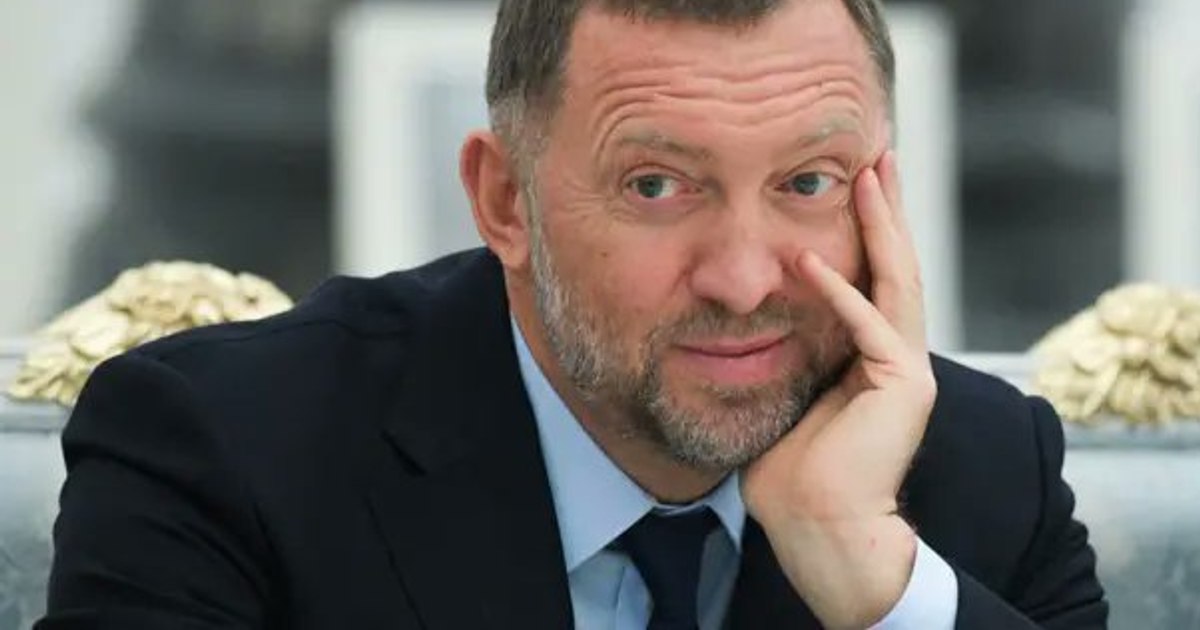
Russian billionaire Oleg Deripaska, a close associate of Vladimir Putin, has launched a radical proposal on social media: Russian citizens should adopt a 12-hour, six-day work week to accelerate the country's economic transformation.
Russian billionaire Oleg Deripaska PHOTO: X -NEXTA
Putin's oligarch claims that Russia's resources are limited and that the only way to deal with the global crisis is through a massive increase in the workforce.
The industrial magnate proposed the program “8 to 8”with work from 8 am to 8 pm, including Saturdays, which he considers necessary for the survival of the national economy, writes United 24 Media.
“We don't have many resources. More precisely, we have only one, which is related to our national character: in difficult moments we know how to gather and work harder”, wrote Oleg Deripaska. He emphasized that the rapid implementation of this program would allow Russia to go through the ongoing economic transformation faster.
The billionaire characterized the current situation not as an ordinary economic crisis, but as one “profound transformation” that affects the whole world.
Deripaska criticized Russia's Central Bank and its macroeconomic policies, saying that high interest rates and “futile strengthening of the ruble” they reduced investments. He added that the investment climate, both domestic and foreign, has already been undermined by security forces that have weakened legal institutions.
The billionaire also mentioned the impact of the war in the Middle East, including the conflict in which Iran is involved, warning that despite the global increase in oil, gas and fertilizer prices, this war “it will not bring anything good for Russia.”
Deripaska predicted that high energy prices would cause a prolonged global economic slowdown, which would inevitably affect the Russian economy. To counter these effects, he previously called for weakening the ruble to 105 per dollar and cutting the key interest rate to 6%.
According to Deripaska's estimates, the combination of high interest rates and the strong ruble cost the federal budget more than 16 trillion rubles (about $196.6 billion). He argues that the strengthening of the ruble below 80 per dollar in previous years has affected the competitiveness of the export industry.
By proposing a longer work week and a radical change in monetary policy, Deripaska is signaling that the Russian private sector is feeling the pressure of global isolation and the after-effects of regional conflicts.
According to the cited publication, the economic tension is also amplified by disruptions in the energy sector, Russia's main source of income. Ukrainian drone strikes have paralyzed major energy hubs, and the campaign targeting Baltic Sea ports has forced Russian producers to warn of indefinite export shutdowns, which could block up to 40 percent of the country's oil exports.