How Vladimir Putin became the master of his image and the architect of his own political myth

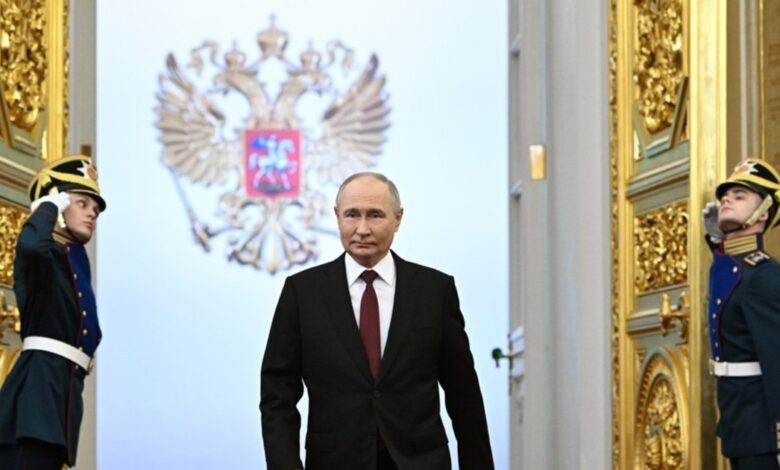
Long before he became one of the world's most influential and controversial leaders, Vladimir Putin understood one essential thing: power is exercised not only through institutions, the military or secret services, but also through image.
Russian President Vladimir Putin/PHOTO: AFP
An incident in 2001 perfectly illustrates this obsession with controlling public perception. Just seconds before a televised interview was to begin, a Kremlin aide rushed into the studio and removed the glasses of water from the table.
“We don't want anyone to think it's vodka”he explained. Then he added a phrase that would come to define the Kremlin's media philosophy: “Television is a nuclear bomb when it comes to advertising.”
In post-Soviet Russia, where television remained the main source of information for millions, Putin and his team quickly understood that image could become a tool for consolidating power as effectively as any political lever, reports the BBC.
From anonymous clerk to omnipresent leader
The first photos of Vladimir Putin show him as a reserved, almost shy man who avoids attracting attention. A former KGB officer and then a disciplined official in the St. Petersburg administration, he preferred to stay in the background, away from the spotlight.
Everything changed in 1999, when Boris Yeltsin appointed him as his successor. From that moment began the careful construction of a public image designed to convey strength, discipline and control.
Vladimir Putin taking power from Boris Yeltsin
One of the objectives was the clear demarcation from its predecessor. If Yeltsin had remained in the memory of many Russians through embarrassing public appearances and episodes associated with alcohol consumption, Putin was supposed to represent the exact opposite: a sober, energetic and self-possessed leader.
In official appearances he was seen almost exclusively with tea and honey. Even the rare moments when he consumed alcohol were carefully hidden from the public eye.
Birth of “Iron Man”
In the years that followed, the Kremlin carefully built the image of a tireless leader.
Putin has been photographed flying fighter jets, practicing judo, riding motorcycles, fishing in Siberia or riding shirtless through spectacular landscapes. The images went around the world and became, for many, the symbol of his leadership style.
Vladimir Putin the iron man
The most famous ones appeared since 2007: Putin on horseback, bare-chested, fishing in Siberian rivers or swimming in cold waters. To his supporters, the photos conveyed the idea of a strong and authentic leader. For critics, they were a display of propaganda and personality cult.
Analysts believe that the messages were intended for different audiences. Inside Russia, they reinforced the image of the traditional leader, capable of defending the country. Outwardly, they sent the signal that Russia is no longer the weakened state of the 90s, but a power to be taken seriously.
The man who always changed his role
Putin's transformation never stopped.
After the collapse of the Soviet Union, he reinvented himself as an effective administrator. He later became the firm leader who promised order and stability. Then he adopted the position of defender of traditional values and greatness of Russia.
26 billion dollar project by which Putin wants to achieve immortality with the help of pig organs
The photographer Platon, the author of the famous portrait made for Time magazine in 2007, remembers that Putin instinctively sat in the position of an absolute leader, looking directly into the lens.
“Interpret Power”, he would say.
As his image became more imposing, his politics followed the same direction. The space for opposition and criticism has been steadily reduced, the independent press has been marginalized, and state institutions have come to revolve around a single figure.
Beyond the mask
Paradoxically, the photos that were supposed to convey absolute confidence also fueled speculation about the Russian leader's vulnerabilities.
In 2011, observers noticed a sudden change in his physical appearance. The face appeared stiffer and less expressive, fueling rumors of cosmetic surgery or medical treatment.
Soon, Putin was returning to the Kremlin for a new presidential term. On the evening of the victory, the television cameras caught him with tears in his eyes. Some considered the moment genuine, others interpreted it as another carefully staged demonstration.
Revelations about the Kremlin leader's secret family. Who are the Western teachers hired for Putin's children
It is certain that that period marked a profound change. Protests against the regime have been repressed more harshly, and any form of public protest has become increasingly difficult.
The war, the new political identity
Today, more than a quarter of a century after he came to power, Vladimir Putin appears less often in public and only in carefully controlled contexts.
Specialists note that the Russian leader seems increasingly concerned about his personal security, especially after the Covid-19 pandemic and after the large-scale invasion of Ukraine.
War became the central element of his political image. If in the past he was presented as the energetic athlete, the daredevil pilot or the fearless adventurer, today Putin is primarily associated with the conflict that redefined Russia's relations with the rest of the world.
Many analysts believe this is the role in which the Kremlin leader believes he has found his historic mission.
But the same strategy that consolidated his power for decades can also make him a prisoner of his own system. After years of building up the image of an inflexible and undefeated ruler, any retreat or compromise becomes difficult to explain.
At 73 years old, Vladimir Putin remains one of the most recognizable political figures of the 21st century. But the image of the energetic sportsman and action hero who once dominated posters and TV screens seems increasingly distant. In its place remained the portrait of an isolated leader, at the center of a system he shaped in his own image.