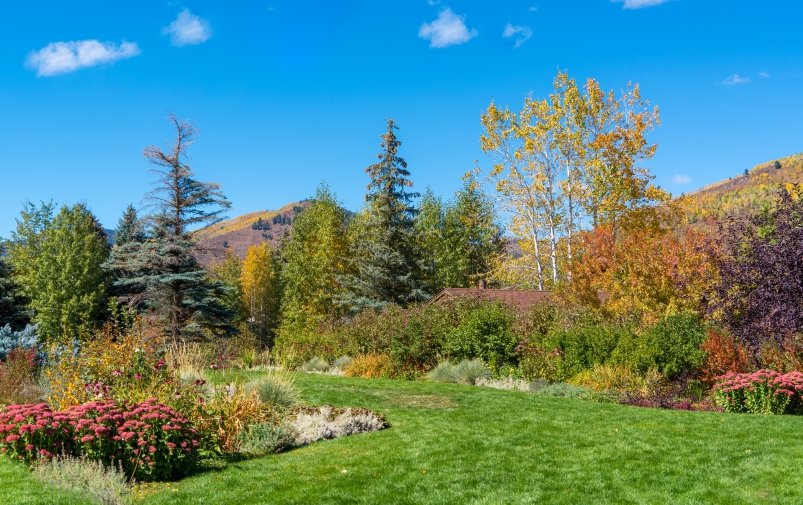
With the onset of autumn, gardeners are divided into two camps: some are already resting, while others are still preparing their gardens for the coming winter, trying to protect their plants from the upcoming frosts. Experienced gardener Veronica Polivkina explained which plants need shelter in her blog “Vegetable garden with Veronica Polivkina” (16+) on the Zen platform.
Even cold-resistant plants can suffer from sudden temperature changes, excess humidity and snowless frosts. By providing proper protection, you will preserve their beauty and health until spring.
Perennial flowers that require shelter
Roses:
- Tea hybrids, floribunda, English and climbing varieties of roses require reliable protection from the cold. In the fall, it is recommended to trim the shoots, cover them with earth or compost, and then cover them with spruce branches and spunbond.
- Park and rose hip varieties (for example, Canadian) often survive the winter without shelter, but in severe winters it is better to play it safe.
Garden chrysanthemums:
- This is especially true for large-flowered varieties and young plants. After pruning, it is recommended to mulch the bushes with peat or dry leaves, covering them with a box or branches on top.
Lavender:
- This flower can withstand frosts down to –25 °C, but is afraid of thaws. Be sure to make a light cover, avoiding the use of film, under which the plants can damp out.
Delphinium:
- In the middle zone it rarely freezes, but is susceptible to getting wet. After pruning, it is recommended to cover the bushes with peat and spruce branches.
Phlox:
- They are considered winter-hardy, but after pruning, it is advisable to lightly mulch the bushes, especially young ones.
Lilies:
- Oriental, trumpet and hybrid varieties of lilies are sensitive to freezing. After the leaves turn yellow, they are cut off, covered with compost and a layer of spruce branches.
Shrubs requiring shelter
Hydrangeas:
- Large-leaved hydrangea is the most delicate and can freeze even under cover. Panicle and tree hydrangeas are more persistent, but in cold winters it is worth mulching the roots.
Rhododendrons and azaleas:
- Some varieties can withstand frosts down to –35 °C, but suffer from sunburn in the spring. Evergreen rhododendrons must be shaded and covered with branches.
Barberry Thunberg, bladderwort, spirea:
- They usually overwinter well, but it is advisable to cover young bushes with mulch.
The best way to cover plants:
Recommended materials:
- Spruce spruce branches provide air circulation and protect against rodents.
- Dry leaves or sawdust (cover the top with spunbond).
- Agrofibre (density 50–60 g/m²).
- Non-woven burlap.
It is not recommended to use:
- Polyethylene (causes damping off of plants).
- Wet foliage (promotes rotting).
- Thick fabric without ventilation.
Advice from an experienced gardener:
- Take your time with cover! Do this when the temperature is stable around –5 °C, otherwise the plants may “suffocate” and begin to rot.
- If everything is done correctly and on time, then in the spring you will be greeted by a living and healthy garden, and not dead plants.