
The test that worries the EU: a European Commissioner, detected with “eternal” toxins in the blood

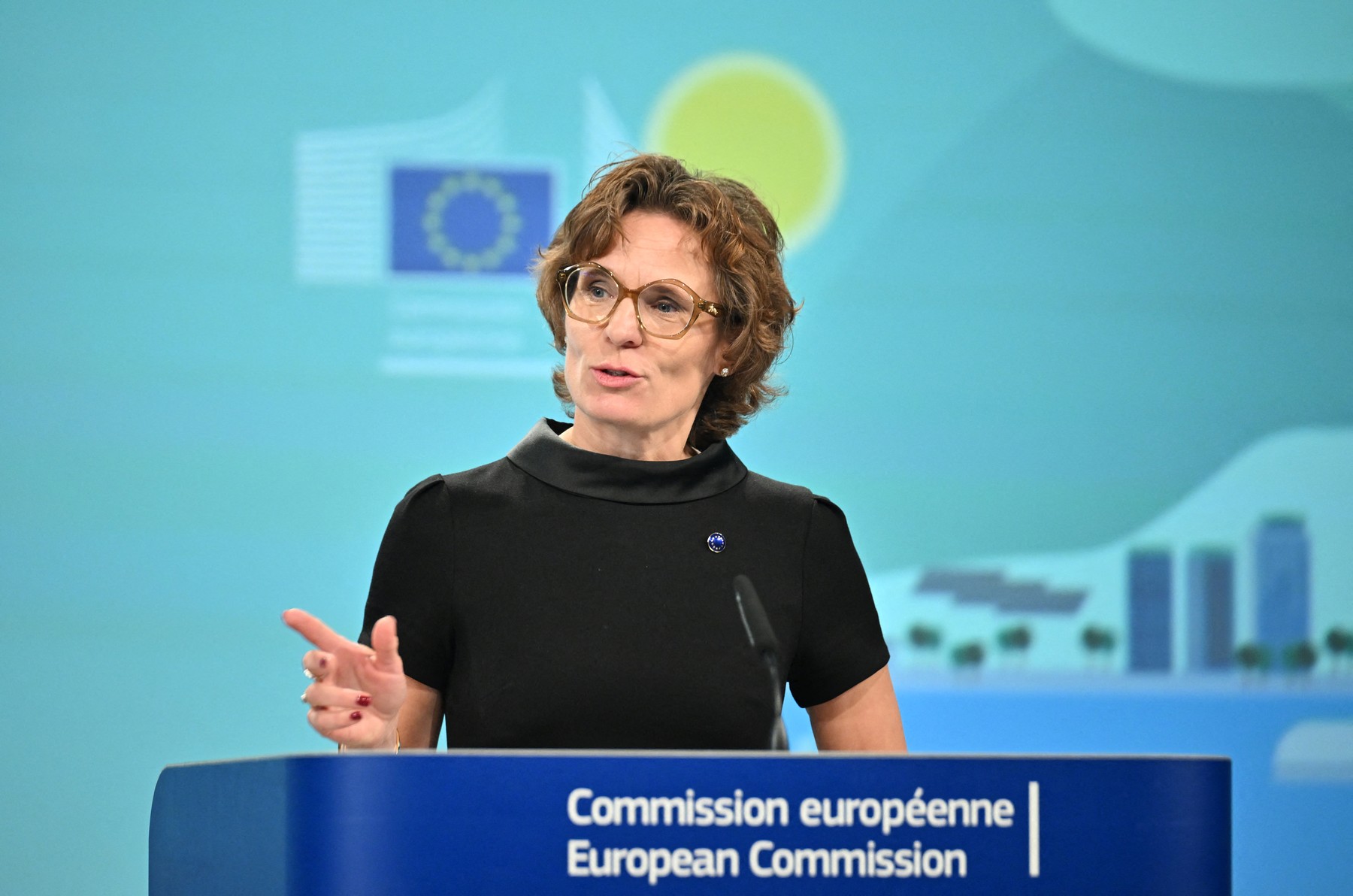
Jesiika Roswall, member of the European Commission, in press conference on the environmental status report for 2025, in Brussels, Belgium, on September 29, 2025. Photo: Dursun Aydemir / AFP / Profimedia
The European Commissioner for Environment Jesiika Roswall performed, during the summer, a blood analysis to symbolically increase the awareness of the dangers of “eternal pollutants” (PFAS), a test whose results have revealed Monday, AFP reports.
“I am no exception (…) The results show me that I really have PFAS in the blood, especially toxic products for reproductive health,” she said, in the margin of a press conference on the state of nature in Europe.
The commissioner's team has shown that Roswall was positively tested for six of the 13 PFAS substances analyzed, including three considered toxic to reproductive health, over the recommended threshold for some of these pollutants, notes Agerpres.
Pfas and their harmful effects
PFAS, or perfluoroalchilate and polyfluoroalchilate substances, are a family of synthetic chemical compounds that need an extremely long time to break down.
Used in numerous products (textiles, food packaging, kitchen utensils, cosmetics and others) for their non -stick or waterproof properties or for their heat resistance, they can have harmful health effects, such as cholesterol levels, cancer, effects on fetal and other.
The EU wants to ban PFAS in products consumed daily
The European Union intends to present in 2026 a proposal to ban PFAS in daily consumption products (pizza boxes, clothing), except for sectors considered essential, especially in the medical field.
The presentation of this draft law was initially planned for the end of 2025, but negotiations with the producers prove difficult.
The European Commission also intends to review its legislation called “Reach”, which regulates the manufacture and use of dangerous chemicals in Europe.
The European Executive had planned to present a law before the end of 2025. However, there could be other delays.
The text in preparation has just received a negative opinion from an EU internal body that evaluates impact studies accompanying the laws.
This commission “requested the revision and strengthening of our analysis, which we are currently working on,” said Roswall, without confirming a change in the calendar at this time.
Environmental organizations are already alarmed.
A delay risks “endangering the ambition of this revision”, which is “waiting for 2022”, the Généructions Futures environmental said.


