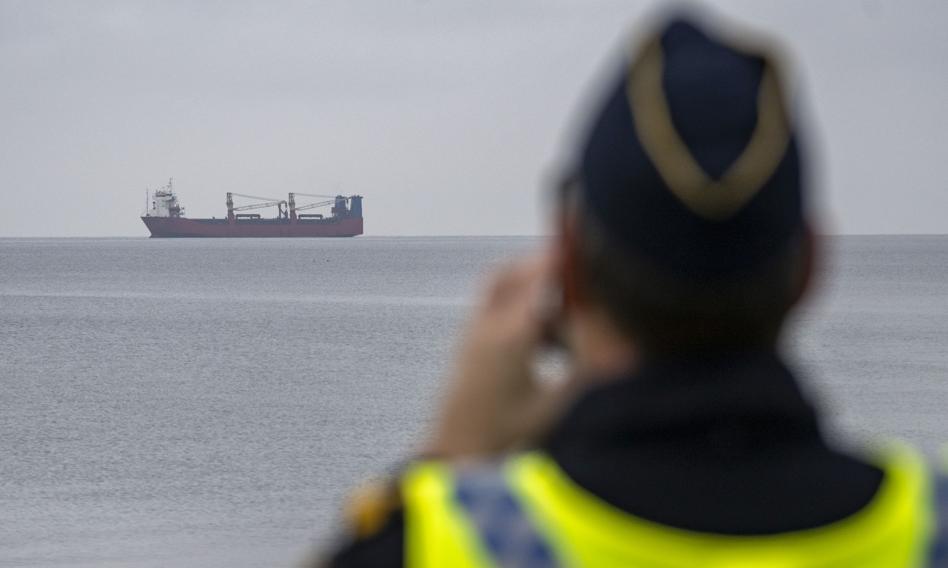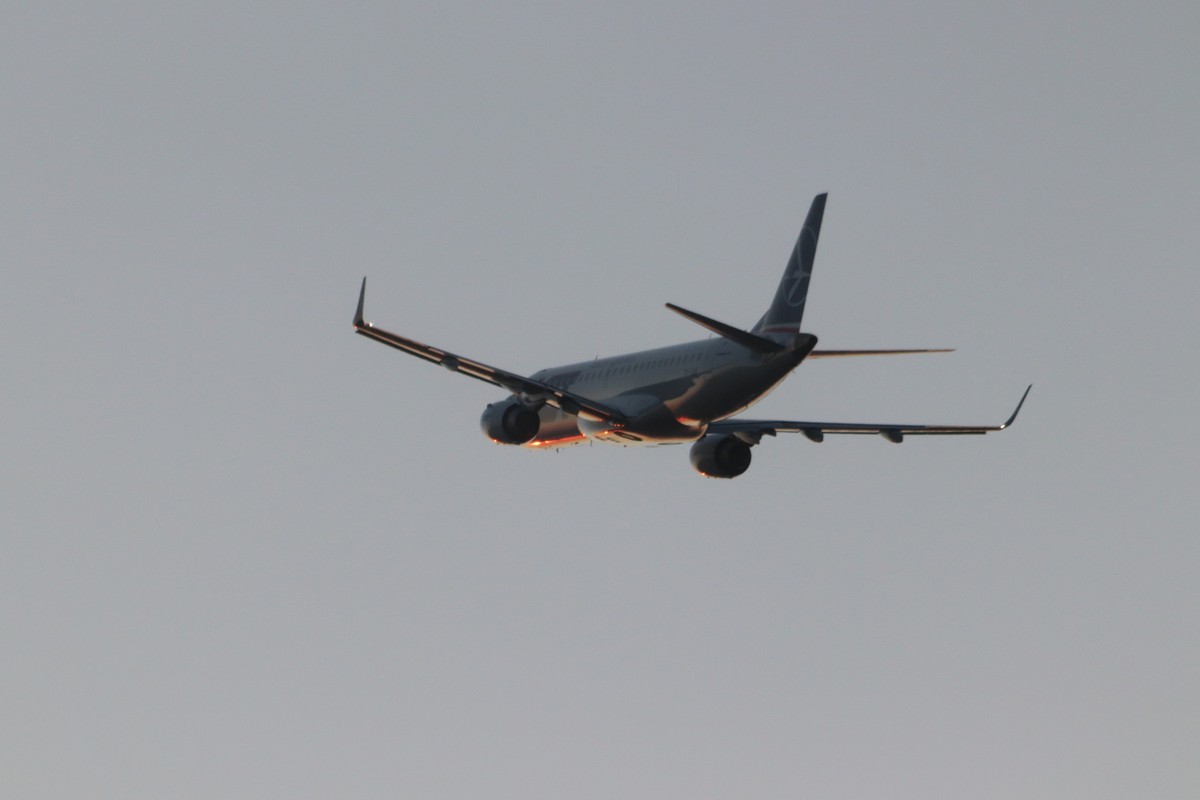
In the evening on Wednesday, Danish airports could be seen drones with lights turned on, which, like two days earlier in Copenhagen, forced the authorities to temporarily close the airspace. This directly affected dozens of flights that were redirected or canceled. This situation reminded about earlier similar incidents in Norway, Poland and Romania, which are a new challenge for the aviation industry.
Read also: Russian fighters near NATO borders. The alliance reacts immediately to incidents
“It seems to be a deliberate action”
Dr inż. Tomasz Balcerzak, a military pilot and former president of Eurolot Airlines, pointed out that such events force to verify current civil aviation procedures. – Until now, we had situations with drones that give the impression of random, but now it seems that this is a deliberate action – he emphasized.
One of the key challenges during such incidents is the organization of airports over airports. Balcerzak explained that planes already in the air can be redirected to other airports or remain in the so -called Holding – a zone where they circulate in a safe distance waiting for landing permission. This situation, however, is associated with potential delays and the need for changes in passenger plans.
However, drones in the airspace are not only a logistic problem. According to dr. Balcerzaka can be a real threat, especially if they are armed. One of the answers to these threats is to be drone neutralization systems, activated by military traffic controllers. – It is necessary to balance between the neutralization of the drone and the safety of civil flights – the expert said, mentioning that electromagnetic radiation or shooting down the device can damage both civilian aircraft and ground systems.
Deliberate disturbance
Advanced technologies, such as drones undetectable by radar, up to 5 kg, additionally complicate actions. Balcerzak warns that controllers can confuse them with birds. Added to this is another problem: intentional attempts to disrupt navigation systems, as was the case with a Spanish military aircraft, which flew near Russian Królewiec. The Minister of Defense of Spain Margarita Robles was on board. Thanks to military technologies, GPS disruption failed.
Civil aviation also provides multi -level security systems in the event of GPS signal interference. Pilots have the opportunity to use independent navigation tools that minimize the risk of confusion during passenger flights.
Similar incidents, such as the invasion of Russian MiG-31 fighters into the airspace of Estonia, also raises concerns on the international arena. Dr. Balcerzak admits that Despite the tensions, the scenario in which the Russians would shot down a civil aircraft seems unlikely. Nevertheless, interference in air traffic and limitations of airspace may be a necessity, which examples are restrictions already in force in east of Poland.
The Prime Minister of Denmark, Mette Frederiksen, has described the incident with drones over Danish airports as “the most serious attack on critical infrastructure” of this country. She also emphasized that she could not rule out that the Kremlin is behind the events. In the face of such challenges, the continuous improvement of solutions ensuring the safety and fluidity of air traffic in Europe remains crucial.