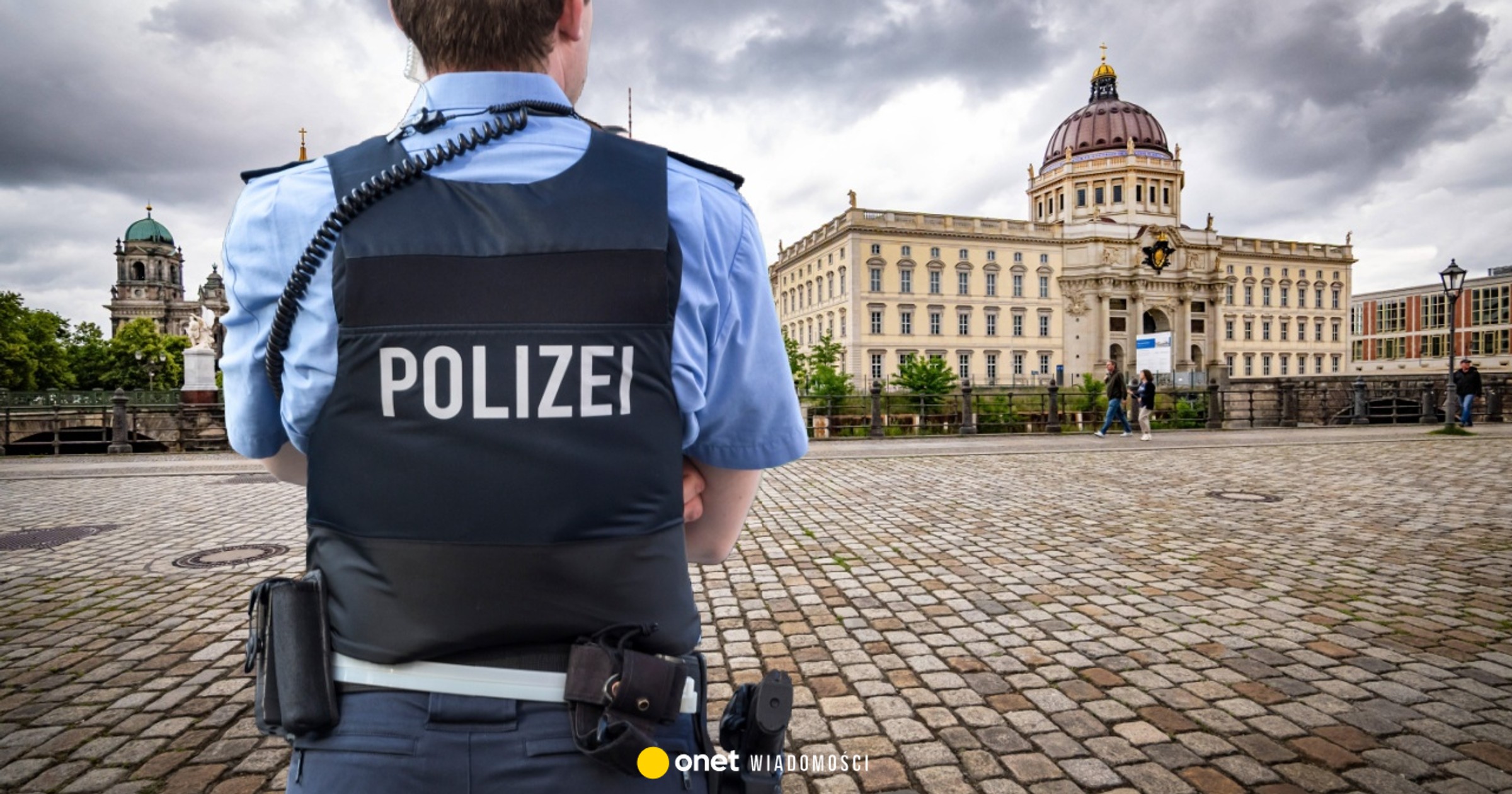
Why in the heart of Berlin, right next to the castle, the cathedral and islands of museums, there are no more brutal attacks of the cutters performed by young migrants? Certainly they do not mean disputes around culture.
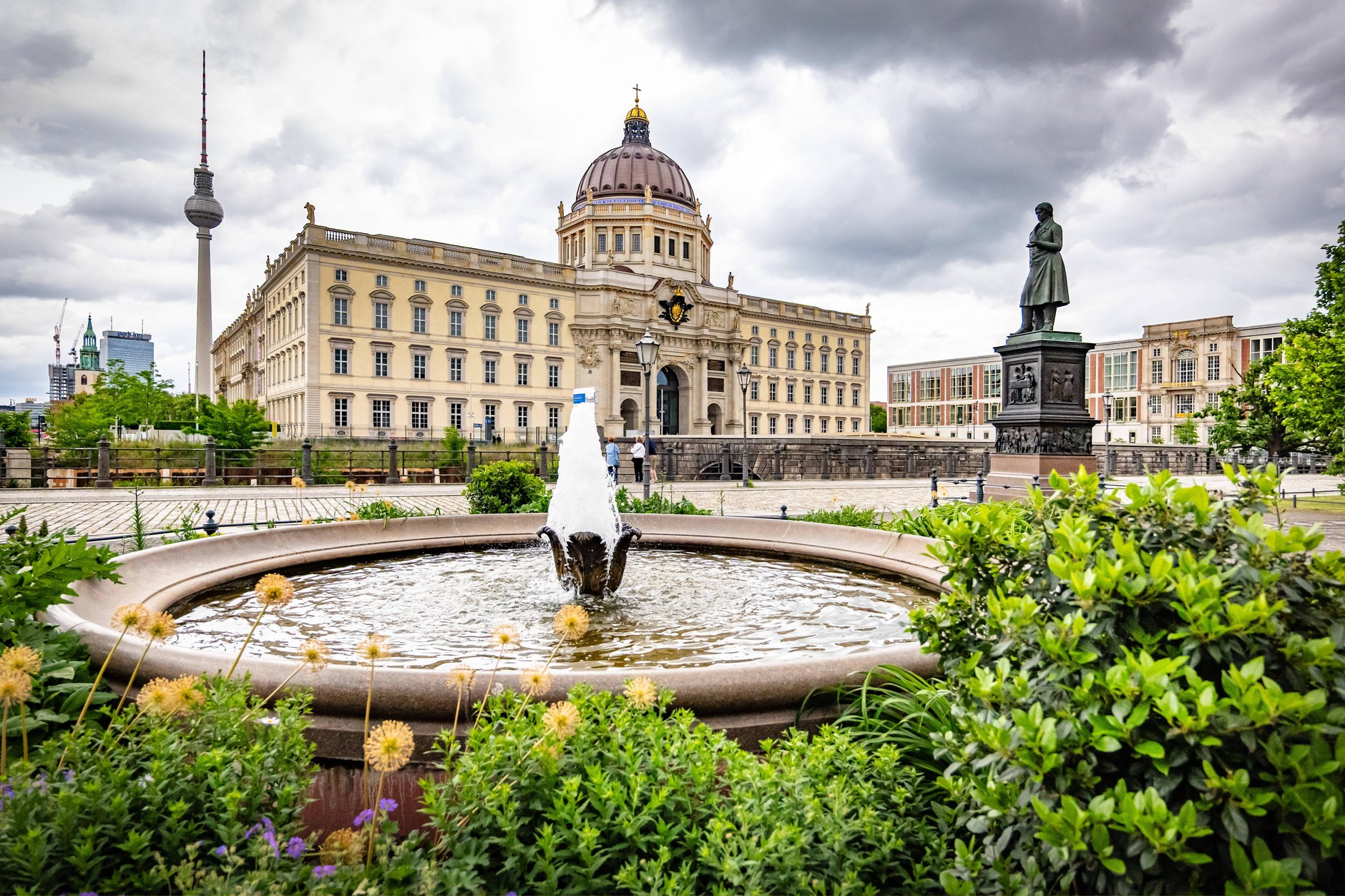
This is the third time in four weeks, when a bloody attack using a knife took place in the historic center of Berlin. For those who do not know this place – we are talking about the reconstructed Berlin castle, which includes a cultural center dedicated to art from outside Europe and international events. The place was named after the brothers Wilhelm and Alexander von Humboldt – giants of Prussian history and science.
It is impossible to assume that 15 Afghans, who a week ago attacked three Syrians in the Humboldt forum, and one of them stabbed, guided cultural ideas. It is hard to believe that their goal was a protest against Humboldt's ideal of education or exhibitions presenting art from their regions.
More likely that they saw a terrace on the Spore River on the eastern side of the building – a place with a view of the television tower – where you can “sit and upstairs”. And when the short circuit occurred, it turned into a street fight. In one case, the police talk about a possible “gang war”, and in others – about a simple quarrel about a bicycle.
Of course, the very fact that these attacks occurred near such representative buildings did not make them worse. However, it is impossible not to see the symbolism: It is there that in the heart of the capital, two completely different worlds collide together.
Real problems, not “passwords on the facades”
The “progressive” Humboldt Forum, with its art collections from outside Europe, has been set for years to be a place of “dialogue” and “intercultural exchange”. The audience is trying to convince himself that one of Germany's greatest problems are everyday racism towards newcomers and the heritage of colonialism.
It is enough to mention the controversy around the Christian inscription on the dome of the castle – the golden inscription on the dome refers to the truths of the Christian faith, so opponents argue that these symbols conflict with the basic idea of the Humboldt forum testifying to its multicultural character. Benin browns were another loud matter due to the fact that they belong to the legacy with a colonial context. Finally, they were returned to Nigeria, and then hit the private hands of the local prince.
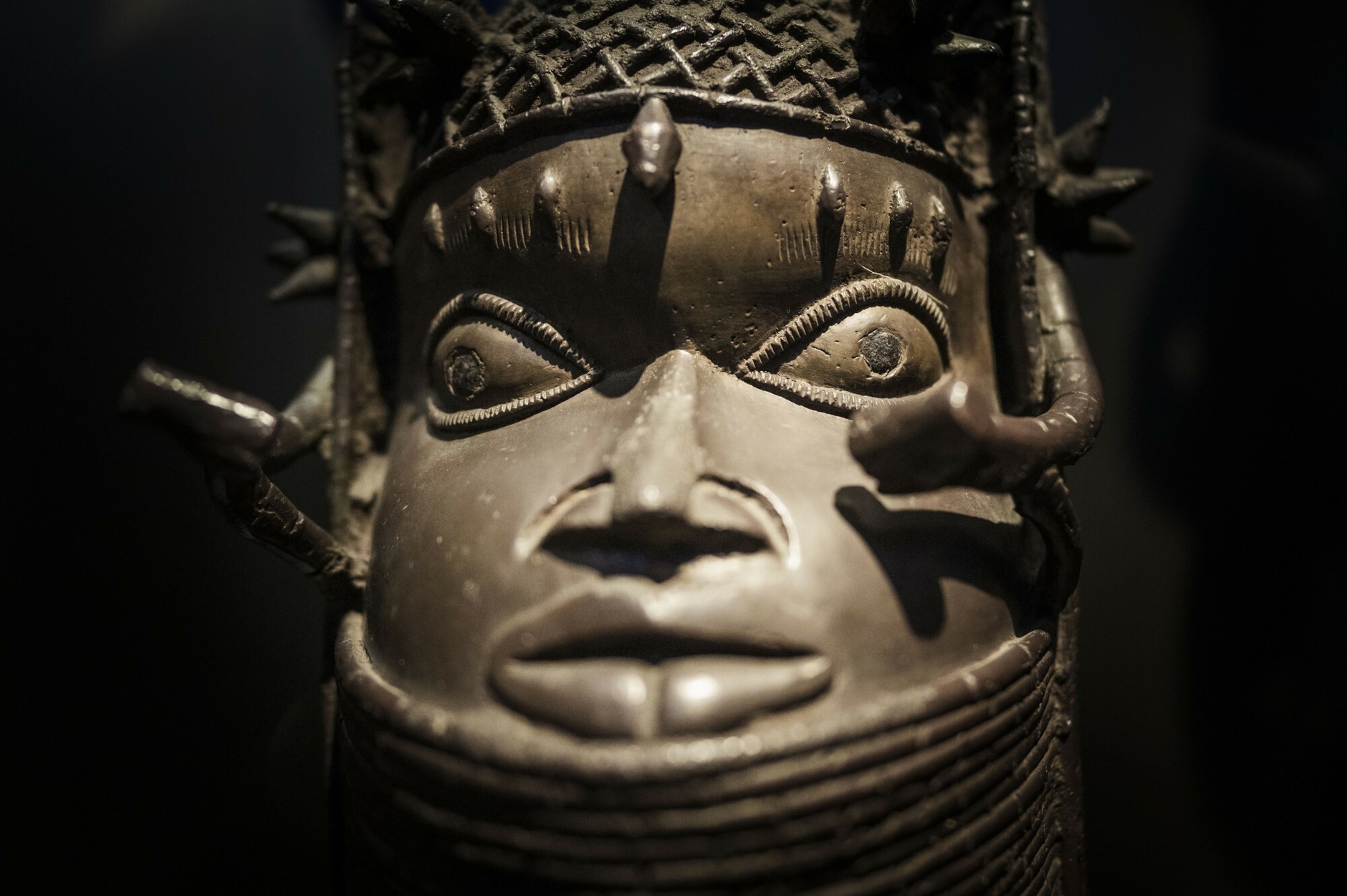
Brown from Benin, looted by England in 1897 from the then kingdom of Benin in West AfricaHollandse Hoogte / East News
Currently, one of the civic initiatives is even demanding the transformation of reproduced Baroque facades, arguing that they are allegedly “right-wing-radical” and constitute “apotheosis of Prussian” associated with militarism, monarchy and conservatism.
This brutally shows how the real problems resulting from the collision of cultures look like – and that they have nothing to do with academic debates about the heritage of colonialism. These are real tensions that are manifested by violence and death.
And that's why they cannot be silenced with idealistic slogans with “intercultural exchange”, which sound so good as “slogans on the facades” of the building, but they are completely different in practice.