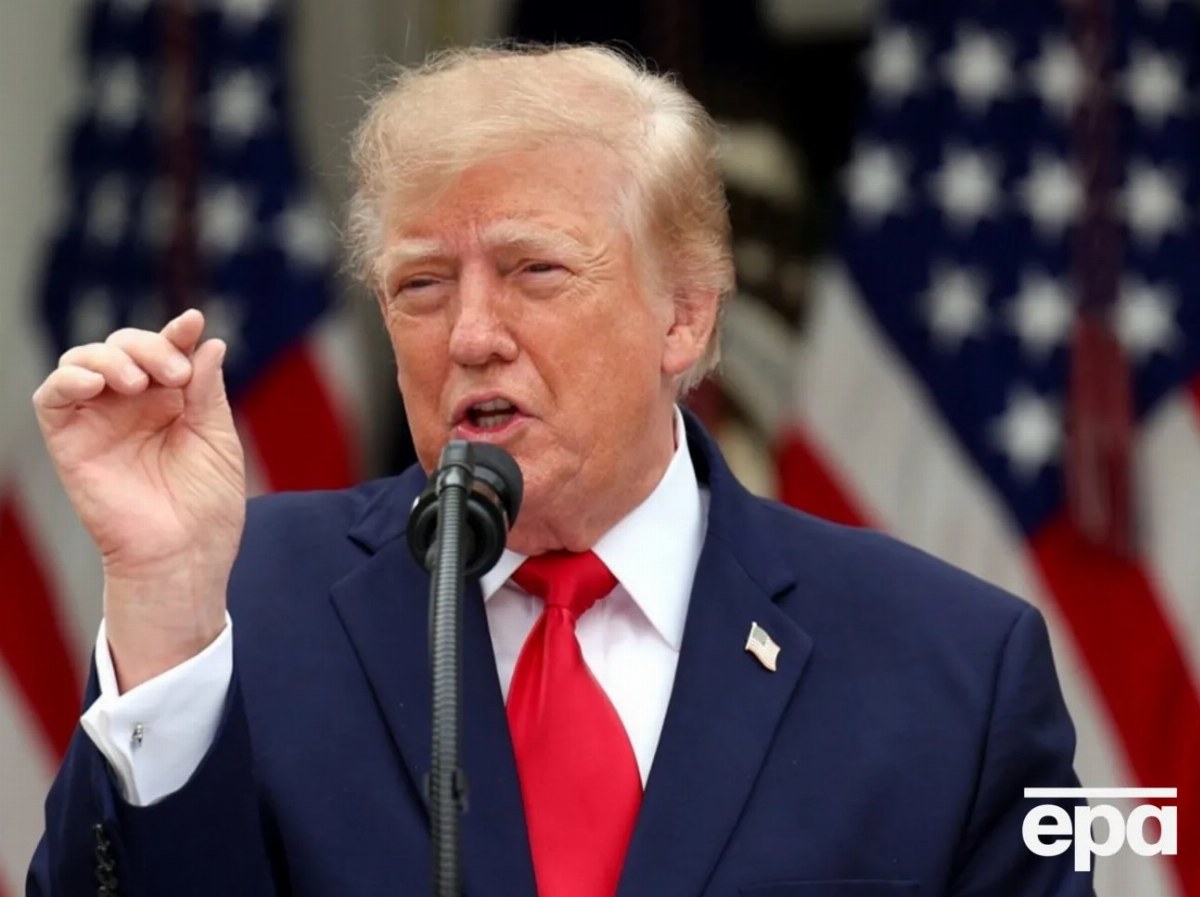
Political analyst Yarysh has highlighted a recurring trend in U.S. politics, particularly during Donald Trump’s administration, where significant and often unpopular announcements are made on Friday evenings. This strategy, he suggests, capitalizes on a time when public and media attention is typically diminished. Yarysh anticipates that we may see further such surprises from Trump as the new Congress begins its session in January.
Yarysh also pointed out that the sanctions against Iran, as outlined in the Graham law, remain intact despite the recent changes. Senator Richard Blumenthal, a Democrat who collaborated with Graham on the “hellish sanctions” legislation, criticized Trump’s decision as “shameful and cowardly.” He urged Republican lawmakers to denounce the move, asserting that Trump is siding with a ruthless dictator and those aiding Russia’s war efforts, rather than representing the majority of Americans, Congress, and U.S. European allies.
Context
- Trump’s executive order lifting sanctions and tariffs against Russia was justified by citing “U.S. national interests.” Reports indicate that the order does not affect certain sanctions imposed by previous directives.
- The “hellish sanctions” bill proposes penalties against Russian officials and grants the U.S. president authority to impose 500% tariffs on Russian oil, gas, petroleum products, petrochemicals, and coal imported to the U.S., along with secondary 100% tariffs on countries importing or facilitating imports of Russian oil and gas. These tariff powers are set to last for five years.
- On August 7, the Senate voted overwhelmingly in favor of the bill, with 86 senators supporting it and 11 against. The House of Representatives passed the bill on September 17, with 262 members, predominantly Republicans, voting in favor. Reports detail the Democrats’ opposition to the bill’s revised version.
- The American president signed the document on September 18, giving him 30 days to designate which individuals and organizations meet the criteria for sanctions.