Poland is witnessing a remarkable shift in the field of gene therapy, with advancements offering hope for treating previously incurable genetic diseases. Professor Leszek Lisowski, a scientist working in Sydney and co-founder of the Gene2Cure foundation, highlights that while technology has evolved to develop safe and effective therapies, funding remains a significant barrier, particularly for ultra-rare diseases.
The traditional pharmaceutical model relies on large patient populations to recoup the costs of research and development, which can be prohibitive for diseases affecting only a handful of individuals. This economic challenge has led to the emergence of alternative funding models, including non-profit initiatives that bring together scientists, patient organizations, families, and private investors to support medical innovations.
Gene therapies, known for their complexity, require tailored design, testing, and compliance with stringent production standards. In the realm of rare diseases, the lack of a robust market often deters investment. Professor Lisowski emphasizes that the primary obstacles in advancing gene therapies are the time and cost involved. Although technological advances can shorten development timelines, the expenses remain daunting.
In a commercial context, gene therapy prices can soar to millions per dose, with some therapies costing around $3.5 million. Gene2Cure aims to counter this by developing therapies in a cost-efficient manner without relying on commercial profit margins. Estimates suggest that costs in their model may be 10 to 20 times lower than those of traditional pricing, focusing instead on a fundamentally different process architecture for funding research and coordinating experts and services.
Gene2Cure originated from experiences with the CTNNB1 syndrome, an ultra-rare genetic disorder. The foundation intends to leverage knowledge from this project to launch additional programs for conditions that wouldn’t normally attract the pharmaceutical market’s attention. Professor Lisowski stated, “Gene2Cure was born from the dream of two researchers and a CTNNB1 child. We aim to use our experiences to assist children and families impacted by other diseases.” The organization positions itself as a project leader, merging scientific expertise and external specialists to expedite the transition from laboratory to clinical applications.
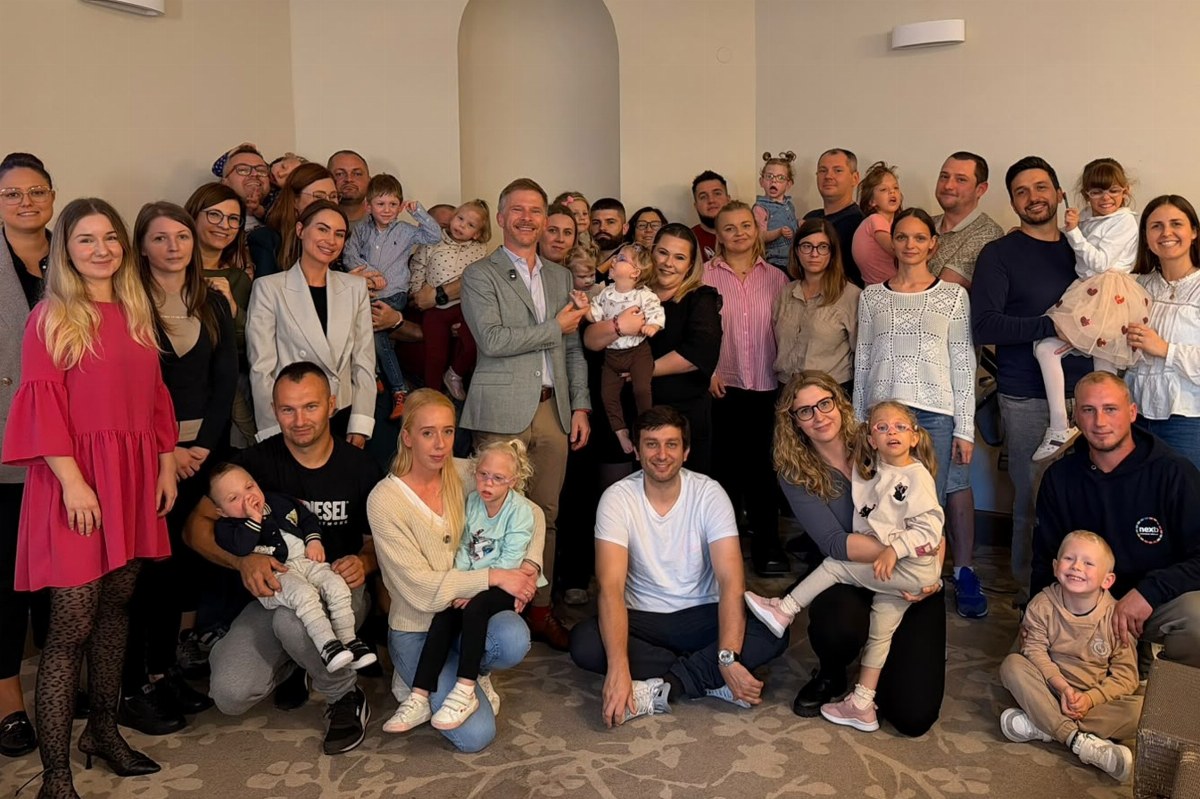
One of the current projects under this model is the development of a therapy for Smith-Lemli-Opitz syndrome (SLOS), a genetic condition affecting cholesterol synthesis that can lead to severe developmental and neurological issues. The initiative was sparked by a Polish family whose child was diagnosed with SLOS. Rather than waiting for large pharmaceutical entities to take interest, the family funded the initial research phase with approximately 2 million PLN of their own resources, allowing for the initiation of a research program where none previously existed.
Over time, the project has garnered support from multiple Polish families facing similar challenges. However, significant funding is still required for the next stages of development, with estimates suggesting a budget of around 20 million PLN to prepare several experimental doses. This model strays from traditional investment frameworks as it prioritizes technological advancement over immediate financial returns.
Professor Lisowski underscores the critical role of public generosity and individual donors in financing such programs, stating that their support can lead to the development of therapies that offer hope to many affected by debilitating conditions. The SLOS project exemplifies the potential of combining private funding, local families, and scientific expertise to catalyze advancements in medical treatment.
The Gene2Cure initiative emphasizes that if successful, it could set a precedent for addressing other ultra-rare diseases by fostering partnerships among families, scientists, foundations, and businesses in a non-profit framework. Currently, the Purestone foundation is seeking entrepreneurs and partners willing to co-finance the next phase of the SLOS program, as the stakes extend beyond mere assistance for a limited number of families, aiming to bridge the gap between scientific capabilities and the funding nexus that traditional markets overlook.