EU diplomats express concerns over Trump’s agreement with Putin
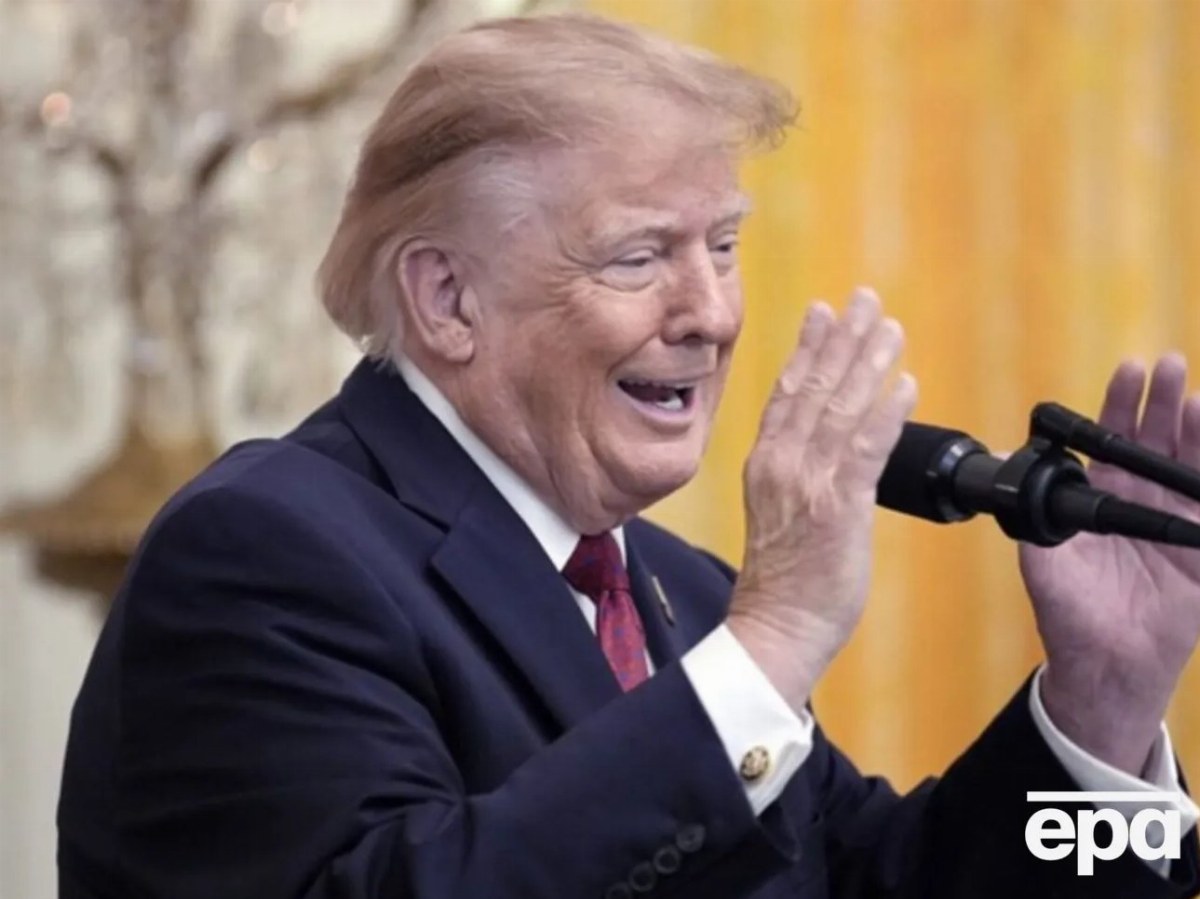
European Union diplomats have voiced skepticism regarding President Donald Trump’s recent agreement with Russian President Vladimir Putin, asserting that the deal is not a response to the ongoing Ukraine conflict. According to reports, many European officials believe this reflects a broader concern about Trump’s motivations.
As the U.S. grapples with soaring fuel prices that have surged since the beginning of the war with Iran, one high-ranking official remarked that this sentiment is prevalent among EU diplomats. Trump has been under increasing pressure to address these rising costs, yet he has resisted acknowledging their impact, often shifting blame to Ukraine’s successful strikes on Russian oil refineries.
The article recalls Trump’s campaign promise to lower gasoline prices to below $2 per gallon. However, the current reality is that American voters are facing prices more than double that amount, raising concerns among Republicans about maintaining control of Congress.
Trump’s deal aims to release an additional 4.8 million tons of Russian diesel fuel into global markets over the coming months, potentially easing fuel supply pressures and prices. Nevertheless, the report suggests that this agreement is unlikely to have a significant impact, with European and Ukrainian officials estimating the promised amount would only meet about ten days’ worth of U.S. demand. They warn that such a deal could undermine efforts to deprive Moscow of revenue that supports its military operations in Ukraine.
EU officials have expressed doubts about the effectiveness of the deal in the global fuel market, with one source stressing that Trump’s rhetoric is focused on the upcoming midterm elections. They also noted that since Trump announced the supposed agreement, Russia has continued its attacks, as confirmed by Ukrainian President Volodymyr Zelensky, who indicated that Ukraine has not retaliated against Russian refineries.
Despite private criticism of Trump among European officials, public statements remain cautious, with one diplomat emphasizing the need for the EU and Ukraine to maintain their positions in the coming weeks as the long-term intentions of the U.S. administration regarding Kyiv become clearer. Additionally, Trump may alter his stance if Russia fails to deliver the promised diesel fuel, which Polish Foreign Minister Radoslaw Sikorski has previously questioned, suggesting that Russia lacks the necessary production capacity.
Context
- On October 9, Trump spoke with Putin and announced an agreement for Russian diesel supply to the U.S. and the global market. A temporary general license from OFAC will be effective until April 7, 2027.
- According to the Financial Times on October 10, following Trump’s easing of sanctions on Russian diesel, his administration intensified pressure on Ukraine to halt strikes on Russian refineries, threatening to cease intelligence sharing if Ukraine refused.
- On October 11, Trump declared an energy truce between Ukraine and Russia, which the parties supposedly agreed upon. Zelensky responded, stating he was unaware of this but would support it if Russia complied. The Kremlin has yet to comment on the potential agreement, and as of October 12, Russia has not ceased its attacks on Ukraine.