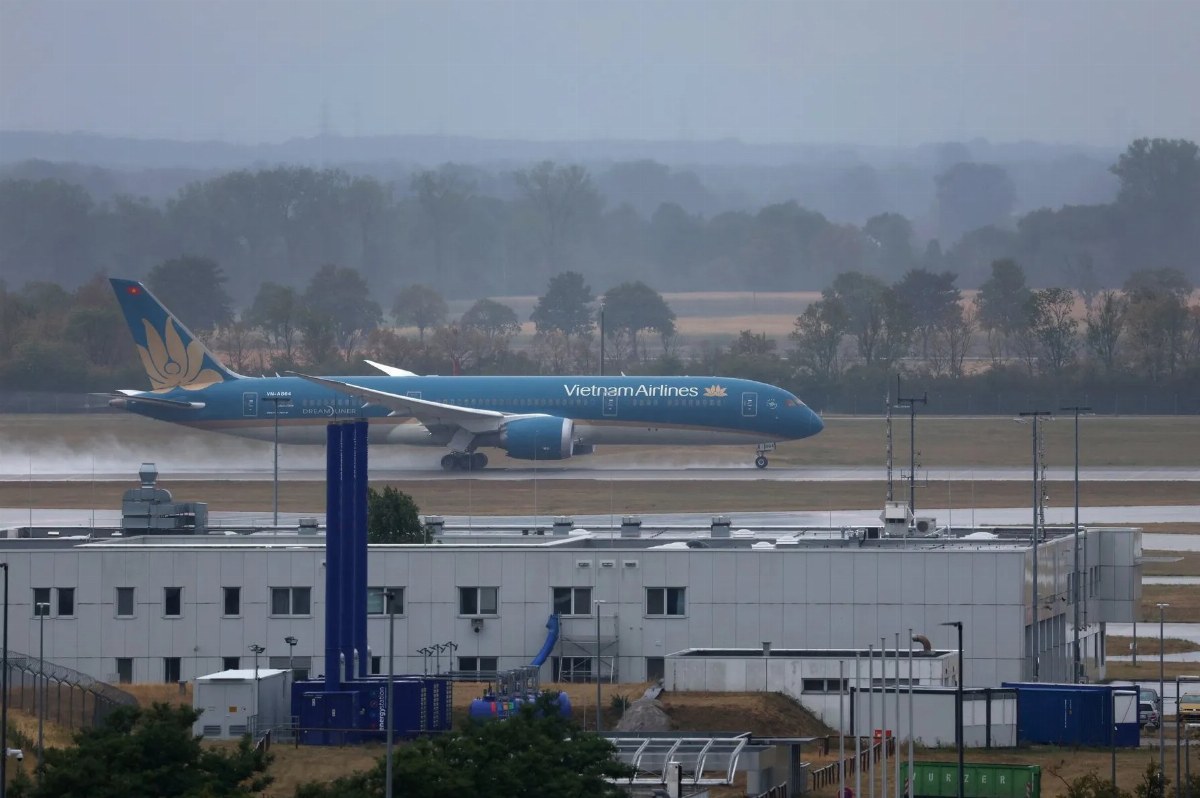
Moscow has approached Vietnam with a request to lease passenger aircraft, including crews and maintenance services, as its fleet, seized from Western leasing companies in 2022, experiences significant deterioration. Nearly one-fifth of Russia’s major airlines’ aircraft are currently grounded, according to reports from Euronews.
Transport Minister Andrei Nikitin stated that Moscow has suggested that Vietnamese carriers transfer aircraft to Russian airlines under a leasing agreement that encompasses the planes, crews, maintenance, and insurance. Hanoi is currently reviewing this proposal.
The primary Vietnamese carrier operates exclusively with Airbus and Boeing aircraft, meaning any potential transfer to Russia would involve Western-built planes. This situation presents a risk of secondary sanctions, similar to those that prompted Ethiopia to reject a comparable offer, as companies could face U.S. sanctions for enabling operations involving sanctioned aircraft on behalf of a Russian carrier.
Russia’s outreach to other Asian, African, and Middle Eastern nations has yet to yield results.
The request for aircraft from Vietnam underscores the extent of decline in the Russian passenger aircraft fleet, which has been subject to disputed re-registrations and components that fail to meet international standards.
Challenges in Fleet Management
Following the imposition of sanctions after Russia’s large-scale invasion of Ukraine in February 2022, the Kremlin enacted a law permitting airlines to re-register over 400 Western-manufactured aircraft in Russia rather than return them to their rightful owners.
According to international aviation law, simultaneous registration of the same aircraft in two countries is prohibited. Thus, Russia’s re-registrations are deemed illegal, yet the International Civil Aviation Organization (ICAO) lacks mechanisms to compel Moscow to return the aircraft.
Leasing companies have filed compensation claims totaling approximately $8 billion (€7.1 billion) to recover their losses, with many cases still pending in court.
Before the invasion, roughly 850 of Russia’s 900 commercial aircraft were either Boeing or Airbus models manufactured in the U.S. and Europe, with around 85% leased from foreign companies. Following restrictions on access to spare parts and technical services from the West, Russian airlines have resorted to cannibalizing the seized aircraft for parts to sustain operations for others, complicating legal issues further.
As per international standards, every aircraft component must have a certified and traceable maintenance history. Parts removed from aircraft with no access to certified maintenance chains in the West cannot be legally used on planes engaged in international flights.
The Russian aviation regulatory authority, Rosaviation, has begun issuing its own certificates for such parts, but these are not recognized by aviation authorities in the European Union and the United States.
Among the 673 aircraft operated by the eleven largest Russian airlines, 130, nearly one-fifth, are not in service, as reported by the Russian aviation industry. The normal unavailability rate is around 10%.
Airlines outside of the Aeroflot group face even tougher circumstances: 93 out of their 322 aircraft—almost a third—are grounded.
Fuel supply issues also pose a significant challenge, with restrictions on fueling imposed at at least 26 major airports, according to the Russian publication Verstka. At airports in St. Petersburg, Kaliningrad, Yekaterinburg, Kazan, Ufa, Irkutsk, and Vladivostok, fuel is rationed to the amount necessary for a single flight.
Additionally, the Ministry of Transport, the Ministry of Industry, and the state conglomerate Rostec are discussing the introduction of a new passenger tax aimed at financing the acquisition and operation of Russian-made aircraft, as reported by Russian media. The proposed tax could reach up to 500 rubles (€5.22) for domestic flights and 1,000 rubles (€10.44) for international flights.