Global oil prices have declined following a surprising decision by Saudi Arabia. The state-owned company Saudi Aramco has significantly reduced crude prices for customers in Asia, a move that contradicts market expectations where traders and refiners anticipated a price increase.
As of Monday morning, the price of West Texas Intermediate for November delivery is $90.28 on the New York Mercantile Exchange, reflecting a 0.91% decrease. Meanwhile, Brent crude has fallen by 0.38% to $101.86 per barrel.
The critical decision involves Arab Light crude, with Saudi Aramco lowering its price for Asian buyers by $5 per barrel below the regional benchmark. This marks the lowest price for this type of crude since 2020.
Market analysts had expected the opposite action, predicting a $5 per barrel increase for Arab Light. This price cut is linked to an increased influx of oil from the Persian Gulf region.
Pipelines and Refineries Remain Under Threat
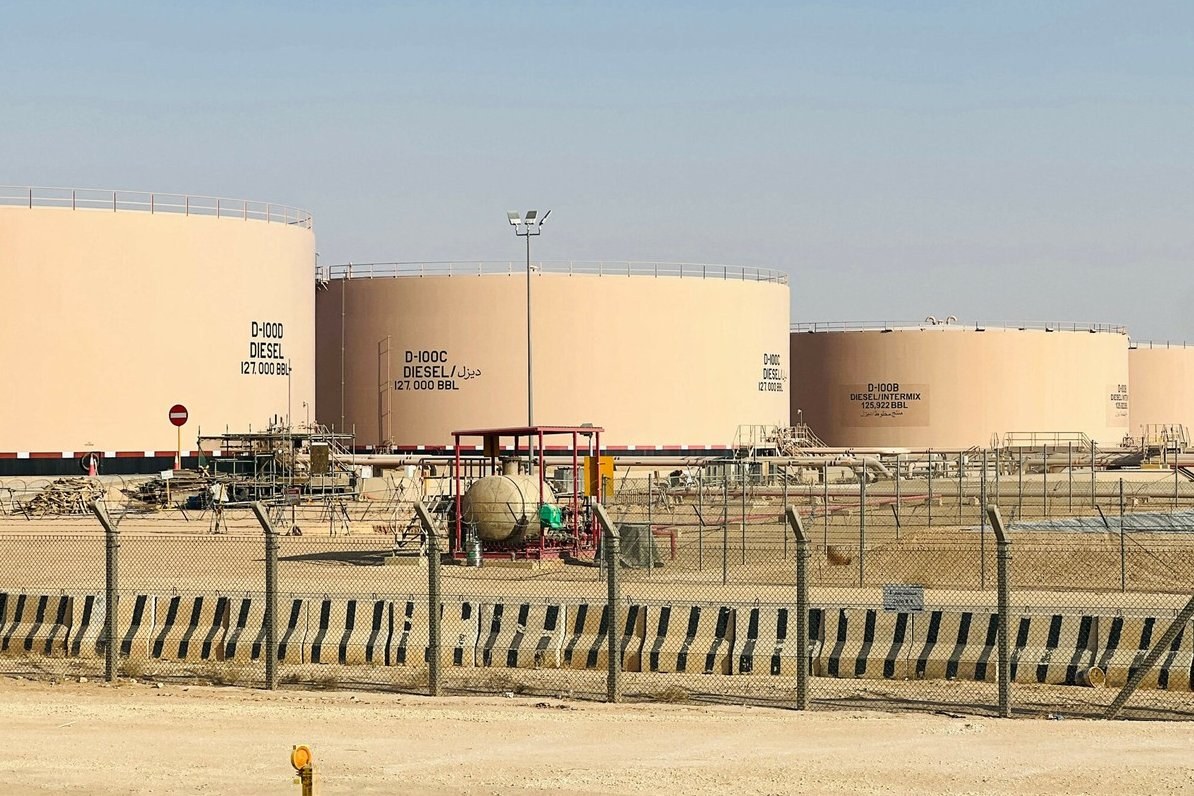
Moreover, the market situation is influenced by conflict in the Middle East. In Yemen, the government has initiated an offensive against Houthi rebels, who have reported rocket and drone attacks on Saudi Aramco facilities in Riyadh and the oil-rich Khurais region.
June Goh, a senior fuel market analyst at Sparta Commodities, noted, “Pipelines, refineries, and oil loading infrastructure remain vulnerable to attacks from the Houthis.” She indicated that this could hinder Saudi Arabia’s ability to maintain high production levels and deliveries through the Red Sea.
At the same time, oil is being released from strategic reserves. The International Energy Agency reported that approximately 325 million barrels have been released since March from the 400 million barrels pledged by G7 countries.
Over the weekend, OPEC+ nations, including Saudi Arabia and Russia, also decided to maintain their current production quotas for another month. However, analysts point out that the cartel’s influence is currently limited due to the ongoing Middle Eastern conflict and declining production from some key OPEC+ countries.