The suspension of Ukraine’s metallurgy industry poses a severe risk to its economic contribution, potentially nullifying its input to the nation’s GDP. Before the full-scale war, the metallurgy sector accounted for about 10% of Ukraine’s GDP and roughly one-third of its exports. Current estimates suggest that the industry’s contribution to GDP is likely nearing zero.
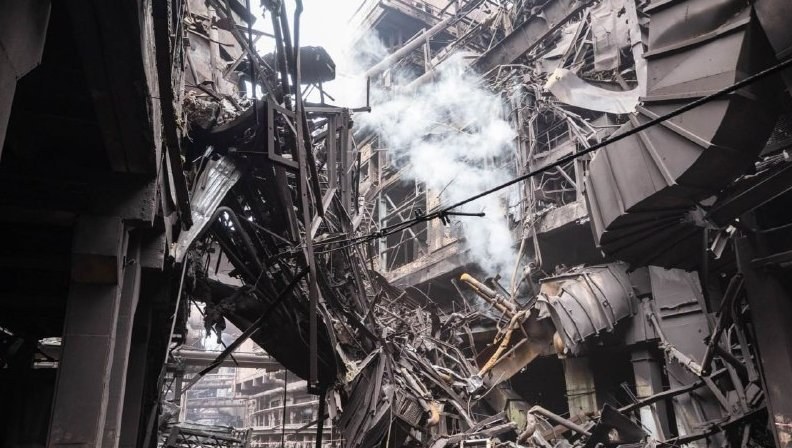
According to reports, Russian strikes targeting railway infrastructure have made the transportation of metallurgical products perilous and complex, while attacks on ports have turned export operations into a life-threatening gamble. A recent assault on the Zaporizhstal facility resulted in 17 rockets fired, claiming the lives of 8 workers and injuring 31 others. The plant, which employed around 8,500 people, is currently inactive.
Similarly, ArcelorMittal Kryvyi Rih has been struggling to operate normally following a series of attacks, leading to significant production losses and a decrease in local tax revenues. Estimates from GMK Center indicate that metallurgical companies previously contributed between 30% to 70% of local budget revenues in industrial cities. This funding supported public sector salaries, infrastructure repairs, and social services.
If the factories remain closed, hundreds of thousands of jobs in metallurgy and related industries could be jeopardized, potentially triggering a new wave of migration. Prior to the war, the metallurgy sector invested an average of $2 to $3 billion annually into the economy. Now, these funds are diverted for emergency repairs and recovery efforts.
The challenges extend beyond bombardments; logistics chains are effectively blocked, and the EU has imposed quotas and environmental restrictions on Ukrainian steel imports. Consequently, Ukraine risks losing tax revenue, foreign currency earnings, and its industrial foundation, which are critical for the country’s post-war recovery.