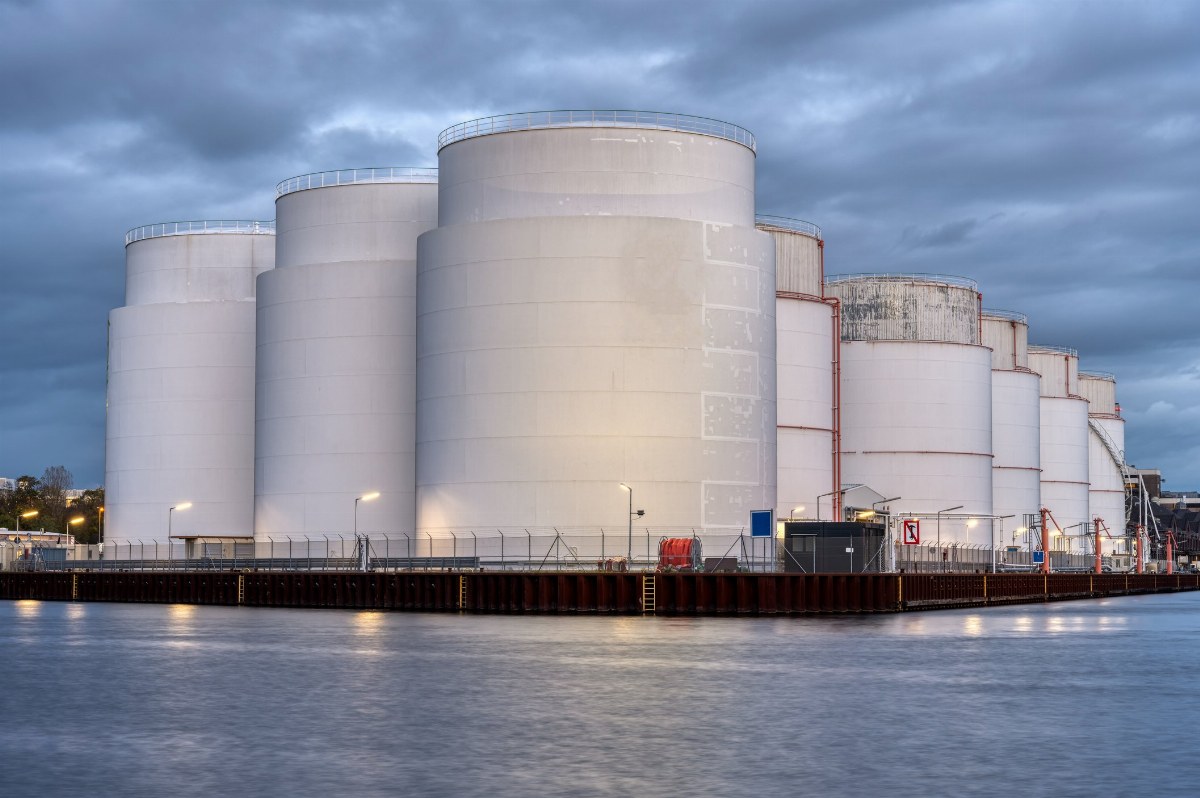
The Trump administration is pressing Europe to release emergency diesel reserves, according to Reuters sources. This situation brings attention to the diesel stockpiles within the EU, particularly those held by France and Germany, which together account for more than one-third of the bloc’s strategic diesel reserves.
Diesel prices have surged to record or near-record levels across various markets, including Europe, turning this fuel into a significant political and economic concern due to its essential role in road transport, agriculture, and industry.
In Romania, diesel prices have also risen, with major gas stations reporting prices between 10.9 and 11 lei early Thursday.
US Officials Concerned About France and Germany
US officials are notably displeased with France and Germany, believing that these countries have not adhered to commitments made during a coordinated emergency release action, established earlier this year by the International Energy Agency (IEA) to address supply interruptions linked to the conflict in Iran, according to sources familiar with US efforts.
As of May 2025, EU member states held approximately 39 million tons of emergency diesel reserves, based on the latest Eurostat data. Germany possessed 5.6 million tons and France held 8.2 million tons, together representing around 35% of the EU’s strategic reserves.
Overall, EU member states maintain nearly 109 million tons of emergency reserves for oil and fuels.
In light of rising global prices due to disruptions from the Iran conflict and Ukrainian attacks on Russian refineries, Washington has urged Europe to decrease diesel stock levels.
EU regulations require member states to maintain emergency oil reserves covering at least 90 days of net imports or 61 days of domestic consumption, whichever is greater. The bloc, as a whole, complies with these standards.
EU Discusses Additional Stock Withdrawals
This dispute highlights the delicate balance faced by European governments. After significantly reducing their dependency on Russian fuel imports following Moscow’s invasion of Ukraine, and cutting domestic refining capabilities over the past two decades, Europe has become increasingly reliant on diesel imports from the US, especially as the Iran conflict severely limits Middle Eastern supplies.
In March, the IEA agreed to release approximately 400 million barrels from emergency stocks globally, with the US contributing 172 million barrels and EU countries committing to provide 20% of the total volume.
EU Energy Commissioner Dan Jorgensen stated on Tuesday that the bloc has discussed potential additional withdrawals from stocks with IEA Executive Director Fatih Birol, but no decision has been made regarding a request for member states to release more reserves.
Trump Considers Diesel Export Ban
On Wednesday, President Donald Trump announced that he is engaged in daily discussions about potentially banning diesel exports, as the White House strives to control soaring energy prices.
Speaking from the Oval Office, Trump suggested that a ban on exports might negatively affect gasoline prices but could help lower diesel costs.
He attributed the rise in diesel prices primarily to the ongoing conflict between Ukraine and Russia, where attacks from both sides disrupt energy production and exports, stating: “We believe we are in a very good position.”
Energy Secretary Chris Wright noted that the issues are broader. “We have lost some diesel exports from the Middle East, although we are restoring them, and we have lost diesel exports from China. There are many disruptions,” Wright said.
He indicated that the administration anticipates announcements from Europe regarding new diesel supply deliveries soon.