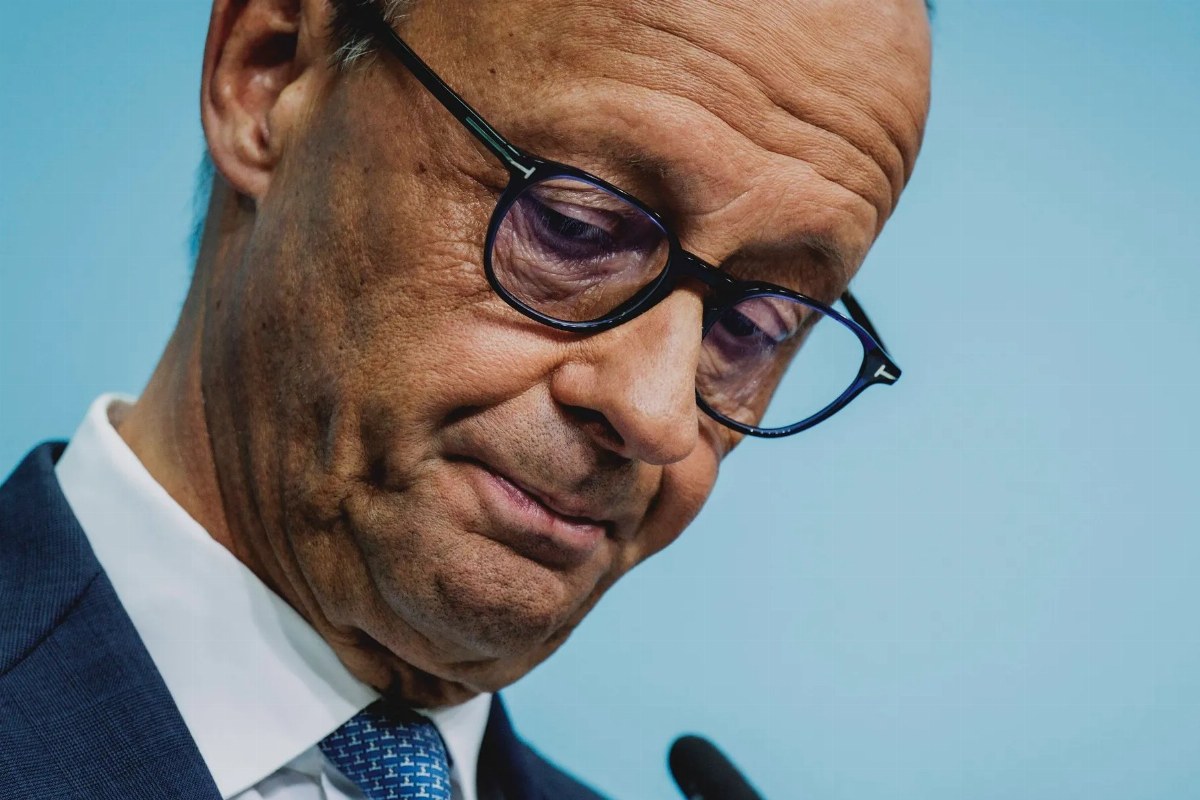
The recent regional elections in Germany have shown a significant shift towards the extremes, with the far-right Alternative für Deutschland (AfD) winning in Mecklenburg-Pomerania and the Left Party (Die Linke) emerging victorious in Berlin. These results have put Chancellor Friedrich Merz under increasing pressure.
In Mecklenburg-Pomerania, the AfD garnered approximately 37% of the vote, narrowly defeating the Social Democratic Party (SPD), which received 35.5%. This victory comes just two weeks after the AfD also triumphed in Saxony-Anhalt.
Meanwhile, in Berlin, the Left Party won with 24.5%, surpassing the Christian Democratic Union (CDU), which managed only 20%. The AfD’s performance was respectable at 16%, although it fell short of pre-election expectations.
These outcomes spell trouble for Merz as the CDU’s results in Mecklenburg-Pomerania represent its worst performance in regional elections since 1949. The CDU is currently projected to receive only 5.5% of the vote, a dismal showing that raises concerns about its parliamentary future.
The Left Party’s win in Berlin could lead to a loss of local governance for the CDU, intensifying discussions about Merz’s potential resignation amid mounting criticism.
CDU’s Historic Low in Regional Elections
AfD’s victory in this northeastern land is significant, although it is unlikely that the party will form a government due to the exclusionary stance of other major parties. The SPD, currently in power, may form a coalition with the Left Party and the Greens, both of which garnered approximately 5.5% of the vote.
If confirmed, the CDU’s performance in Mecklenburg-Pomerania would mark the lowest result for the party in regional elections in over seven decades, according to reports.
Merz himself labeled the outcome in Mecklenburg-Pomerania a “disaster” for the CDU, pledging to accelerate reforms in his role as party leader and Chancellor to steer Germany forward.
Understanding AfD’s Success in Mecklenburg-Pomerania
Mecklenburg-Pomerania, once part of East Germany, faces unique challenges stemming from its past and current socio-economic conditions. With a population of just 1.5 million and one of the lowest immigration rates in Germany, the region grapples with a qualified workforce crisis, as its healthcare and elder care systems heavily rely on foreign professionals.
Economic growth has been sluggish, exacerbated by rising fuel prices that particularly impact this largely rural region where many residents rely on cars for transportation.
The term “remigration” has resonated in AfD’s campaign, appealing to voters who express discontent with the political establishment dominated by western parties. However, local business leaders warn that expelling immigrants would severely impact the economy.
Mecklenburg-Pomerania also has an aging population and is experiencing significant demographic shifts, further complicating its economic landscape. AfD’s promises to limit immigration and re-establish energy ties with Russia have found a receptive audience among voters in the former communist states of eastern Germany, where frustration with the prevailing political order is palpable.
Merz’s Challenges Ahead
Having been elected on the promise of implementing reforms to revitalize Germany’s stagnating economy, Merz has struggled to regain voter confidence. Dissatisfaction with unpopular reforms regarding pensions, taxes, and healthcare has compounded his difficulties, alongside a series of communication missteps.
Despite the challenges, CDU leaders have rallied behind Merz, recognizing that replacing him would not resolve the underlying issues and would leave any successor facing the same economic hurdles.
The disillusionment with Merz’s government has been evident in both Mecklenburg-Pomerania and Berlin, where voters are increasingly focused on issues such as rising energy and housing costs.
Recently, Merz introduced a consumer support package, including tax cuts on fuel, and scheduled a meeting with CDU leaders to assess their support and present his plans for recovery. He also canceled a planned speech at the United Nations General Assembly to remain in Berlin and address the internal consequences of the CDU’s election results.
In an effort to consolidate support, Merz emphasized the necessity of maintaining stability in Berlin during this turbulent period for Europe.