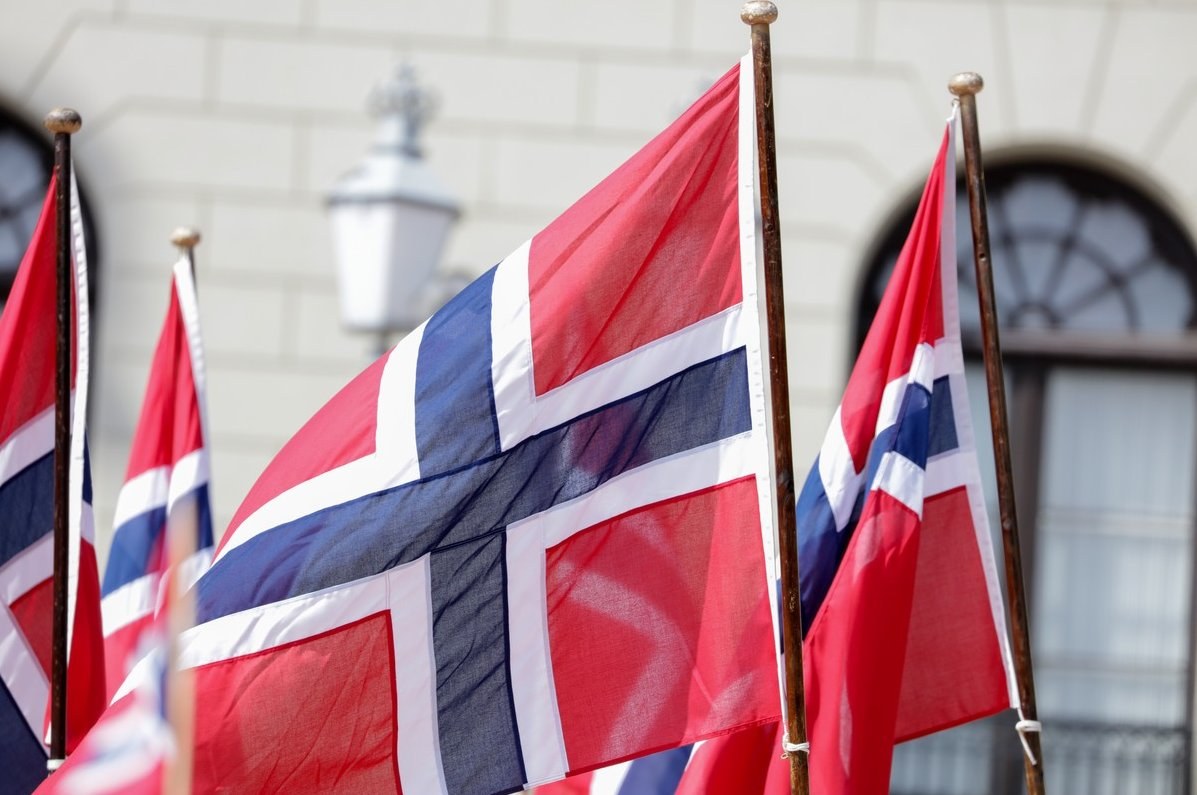
Norway has distinguished itself as the first nation to offer free AI models trained using copyrighted materials, compensating the original creators, as announced by Aase Wetaas, the director of the National Library. She emphasized that this initiative isn’t a competition with OpenAI, but rather a strategy aimed at preserving the Norwegian language and ensuring digital independence.
The AI models, named Borealis, operate in Norway’s two official written forms: Bokmål and Nynorsk. They were launched on August 10 and have been trained using various sources, including articles from Norwegian newspapers, with rights holders receiving payment for their contributions. Future editions are set to include Sámi languages as well.
Aase Wetaas stated, “We are not developing an application that can be directly compared to ChatGPT. We are providing models that the Norwegian public sector and companies can further train with specific domain materials.”
Norway’s Initiative for Homegrown AI Technologies
The project is rooted in the belief that the Norwegian language should thrive in all areas of life, especially where artificial intelligence is increasingly prevalent. This principle was codified in a language law adopted in 2021.
“As a linguist, I believe language is the most vital infrastructure of society. It is the most important tool and vehicle for freedom of speech. Therefore, it is crucial to have technologies and language models that support the Norwegian language rather than undermine it,” Wetaas remarked.
The foundation of this initiative dates back to 2005, when the National Library embarked on digitizing its collections. In 2010, the Ministry of Culture tasked the library with creating a public bank of language materials to aid companies and institutions developing technologies that work with the Norwegian language.
The training of Borealis also utilized records from sessions of the Norwegian Parliament. Wetaas noted that lawmakers representing various regions take pride in speaking their own dialects, making materials from the Storting a valuable linguistic resource.
The parliament has also worked on technology to automatically convert speech into text, which streamlines the preparation of meeting transcripts. Wetaas described this as an excellent example of collaboration between public institutions and the joint utilization of their gathered materials.
Copyrighted Content Enhances Language Model Performance
In 2024, the government commissioned the library to assess whether using copyrighted texts would improve model quality. The results were immediate; the training systems incorporated well-written and edited texts covering various aspects of Norwegian life.
Lawmakers quickly decided that rights holders of the utilized materials should receive remuneration, with a copyright holder organization receiving annually 45 million Norwegian kroner (approximately 16 million PLN).
“This is the first instance globally where a state offers its own AI models for free, trained on licensed copyrighted materials. Perhaps the rest of the world is more surprised than we are. We are dependent on the existence of Norwegian media, Norwegian writers, and everyone who shapes our language. If we want to develop it and the culture built upon it in the future, we also need a compensation system,” Wetaas highlighted.
The models from the Norwegian National Library will be available for free, ensuring they do not compete with platforms like ChatGPT. Instead, they aim to serve as a publicly accessible resource for administration, businesses, and educational institutions to create tailored tools.
“This is also a way to enhance Norway’s digital self-sufficiency and security,” Wetaas emphasized.
The library collaborates with the University of Oslo and the Norwegian University of Science and Technology in Trondheim (NTNU). For the training and free distribution of these models, the library receives an annual budget of 20 million Norwegian kroner (just over 7 million PLN).
Wetaas concluded, “This is probably about the amount OpenAI spends on its corporate holiday party. We are demonstrating to the world that with a relatively small sum, much can be accomplished, and we are eager to share our knowledge with others.”