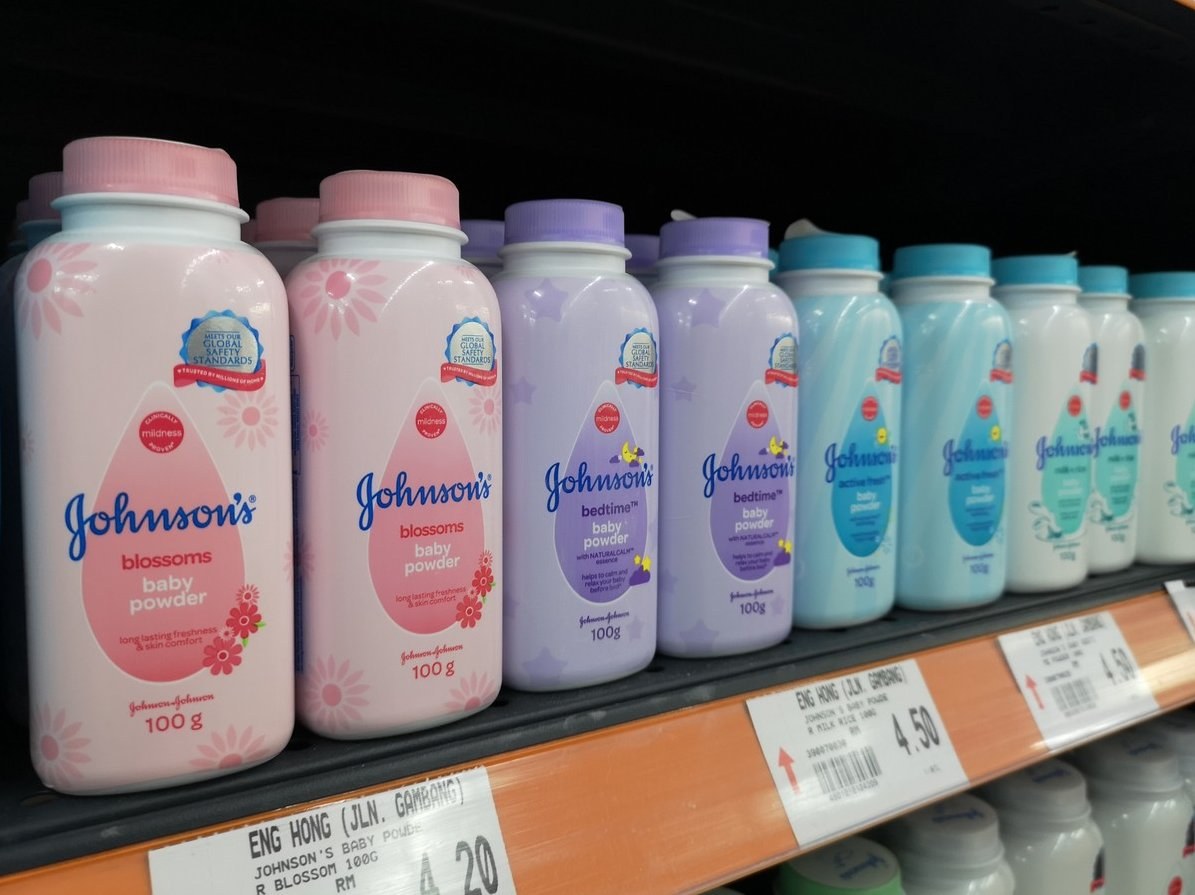
Johnson & Johnson (J&J) has proposed a significant settlement of $5.5 billion aimed at bringing closure to thousands of lawsuits in the United States. These lawsuits allege that the company’s talc-based products, including baby powder, contribute to the development of ovarian cancer. J&J firmly denies these allegations, asserting that its products are safe.
The proposed settlement would cover approximately 76,000 cases, representing the majority of claims related to talc. J&J plans to allocate up to $3 billion for this settlement by 2027, with additional payments scheduled for after 2028. For the settlement to be finalized, law firms representing 95% of the ovarian cancer claims in state and federal courts must approve it.
Erik Haas, J&J’s vice president for litigation, labeled the accusations against the company as “baseless.” He emphasized that while J&J is confident about winning future cases, the company wants to conclude this chapter to focus on its mission of developing pharmaceuticals and medical devices. “The proposed resolution will allow the company to close this chapter,” Haas stated, as reported by BBC.
In response to ongoing legal challenges, J&J has reformulated its popular baby powder, replacing talc with cornstarch. This decision came over two years after the company ceased sales of talc-based powder in the United States, which they attributed to a “global assessment of the product portfolio.”
Long History of Lawsuits and Controversies
Lawsuits against J&J concerning talc-based products have been filed since 2009, with consumers and their families claiming that these products were contaminated with asbestos, a known carcinogen. Talc, a natural mineral used in cosmetics, is often found near asbestos deposits, which can lead to contamination.
The company has repeatedly denied these allegations. In a recent statement, J&J asserted, “Studies show that talc is safe, does not contain asbestos, and does not cause cancer.” In July of this year, a federal court sided with the company, challenging the ability to definitively link talc to ovarian cancer cases.