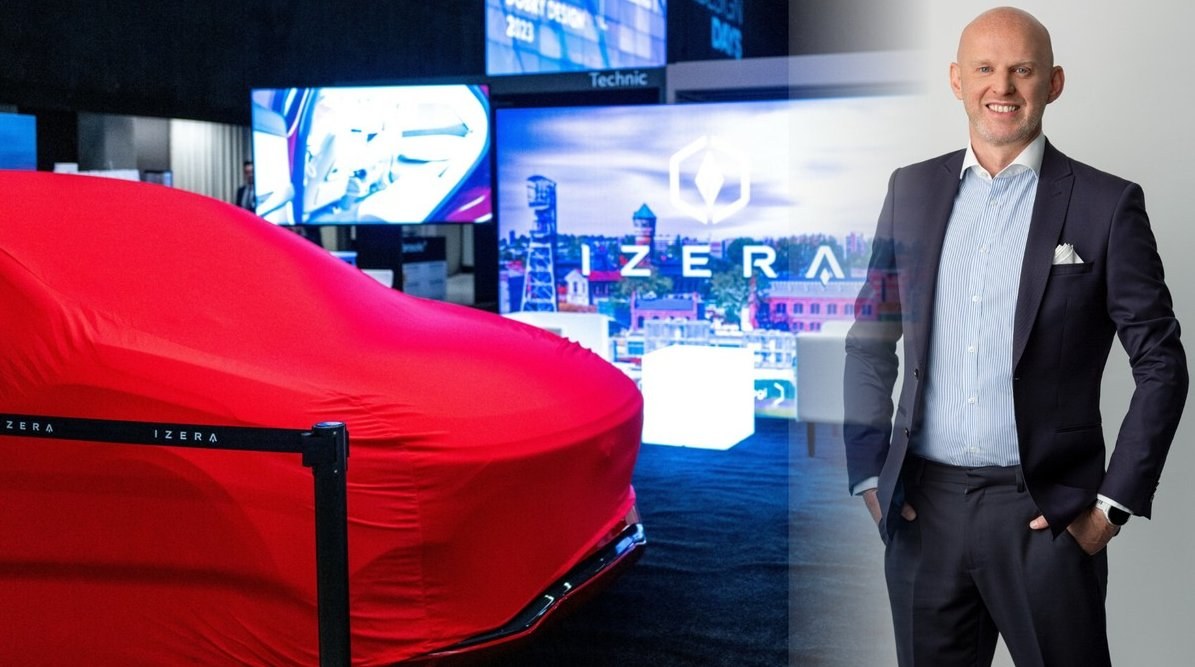
Tomasz Gałaszkiewicz, the vice president of Electromobility Poland, believes that joining a project like this has long been a dream for many in the automotive industry. Building something from scratch—including the car design, brand identity, distribution network, and organizational culture—is a unique challenge. Although the company has faced difficulties since its inception two years ago, it has secured partnerships and funding from the National Reconstruction Fund, which Gałaszkiewicz views as a success in itself.
Reflecting on the potential for this venture, he emphasizes the importance of learning from past mistakes while also acknowledging that some challenges stem from external factors. Initially skeptical about the project’s viability, Gałaszkiewicz has shifted his perspective, recognizing the evolving market dynamics and how new brands can gain traction among consumers.
Currently, Electromobility Poland employs over 70 people and plans to hire an additional 50 across various departments, including sales, marketing, and R&D. Gałaszkiewicz emphasizes the project’s scale and its potential to reshape the Polish automotive landscape while showcasing local technological competencies.
Addressing concerns about the company’s capabilities, he states that while they do not see significant skill gaps, they need more manpower and are eager to absorb knowledge from the market and partners. The team is small but cohesive, and they are actively pursuing engineering specialists returning to Poland from abroad.
Gałaszkiewicz explains that negotiations with Foxconn focus on acquiring competencies necessary for launching a new automotive brand in Europe, highlighting the strategic benefits of collaboration. The aim is to expedite market entry with the first generation of vehicles, while future models will incorporate a greater share of local R&D input.
Regarding the technology involved, he clarifies that it includes the vehicle platform developed in partnership with Foxconn, but emphasizes that they are not simply receiving a pre-made vehicle; they are collaborating to adapt the platform and related technologies for European market needs.
The company anticipates adapting its factory plans to fit the new project format while maintaining core construction logic. Gałaszkiewicz notes that scalability is vital, as they plan to adjust production capacity according to market demand rather than building a facility for an anticipated volume that may not materialize.
While the company aims for an annual production of over 300,000 vehicles, specifics surrounding production volumes remain part of ongoing negotiations with Foxconn. Gałaszkiewicz is confident that their unique position and the joint venture’s nature will allow them to navigate potential challenges successfully.
He acknowledges the competitive European automotive market but believes that the presence of Chinese brands has opened opportunities for new entrants, compelling existing manufacturers to innovate and reposition themselves. Electromobility Poland’s unique selling point will be its European identity—an agile and responsive company built within the European market.
With plans to market electric vehicles in the 2029-2030 timeframe, the project aims to differentiate itself from competitors by emphasizing local development and production. Gałaszkiewicz remains optimistic that the push for zero-emission vehicles aligns with future regulations and market trends, positioning Electromobility Poland favorably in an evolving landscape.