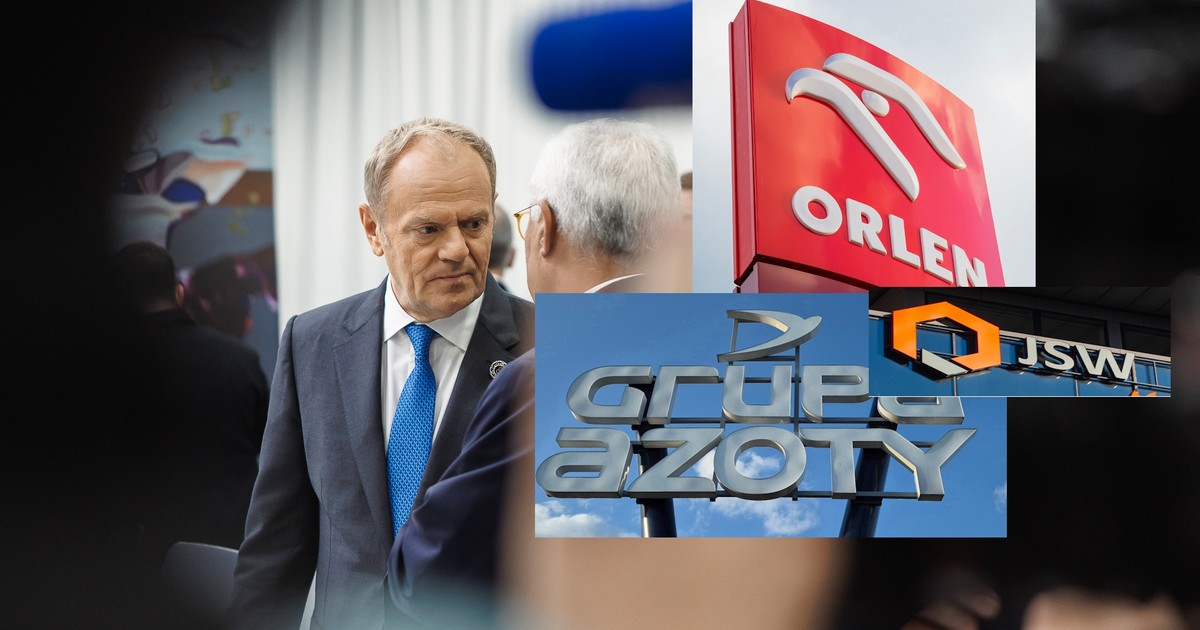
Polish Energy Minister Miłosz Motyka clarified his remarks regarding possible government interventions in the fuel market. The government is exploring ways to reduce prices without reinstating the discounted fuel program, known as CPN, which ended on June 30. Industry representatives have noted a significant increase in refinery margins.
In a Thursday interview with Radio Kraków, Motyka emphasized that discussions are focused on market-based strategies to lower fuel prices, dismissing any talk of reinstating the CPN program. The previous program was introduced in late March and concluded at the end of June, coinciding with the expiration of reduced VAT rates on certain fuels from 8% to 23% and the establishment of maximum fuel prices at gas stations.
Fuel Prices Surge Post-Program Expiration
The end of the CPN program resulted in a dramatic spike in fuel prices overnight. The cost of diesel in Poland now approaches 7 PLN per liter, while gasoline averages about 6.79 PLN per liter. For reference, the price of 95-octane gasoline has risen by nearly 0.90 PLN in just one week.
Motyka explained that the current pricing is influenced by the replenishment of strategic reserves and storage inventory. Although crude oil prices fell following a ceasefire between the U.S. and Iran announced in late June, recent turmoil in the Strait of Hormuz has raised concerns about the stability of this agreement. Oil has seen a price increase for three consecutive days, nearing 75 USD per barrel, after reaching highs of 110-120 USD in May.
The increase in fuel prices seems puzzling, especially since crude is only slightly more expensive than in February, when gasoline was priced at approximately 5.65 PLN per liter, and diesel at about 5.90 PLN. The widening refinery margins, which represent the difference between crude oil prices and the price of refined products, have been exacerbated by Ukrainian attacks on Russian refineries, limiting their production capacity. Additionally, Europe has long experienced a diesel deficit, with the current market conditions further highlighting this issue.
Moreover, the peak summer travel season is contributing to a notable rise in fuel demand, driving wholesale prices higher as suppliers seek to rebuild fuel stocks amid uncertainties regarding future deliveries.
On Wednesday, Motyka noted that fuel companies are quick to react to rising oil prices but tend to lag behind when prices drop, suggesting that a dominant player in the wholesale market exacerbates this delay. He indicated the possibility of implementing a mechanism to encourage firms to reduce prices more swiftly, although he did not provide details of this proposal. The recent depreciation of the Polish złoty against the dollar, albeit moderate, is also driving fuel prices higher at the pumps.
Refinery Margins at Record Highs
Adam Sikorski, president of Unimot, highlighted the importance of refinery margins, stating that the current state of European refining margins indicates that the fuel business extends beyond just prices at the stations.