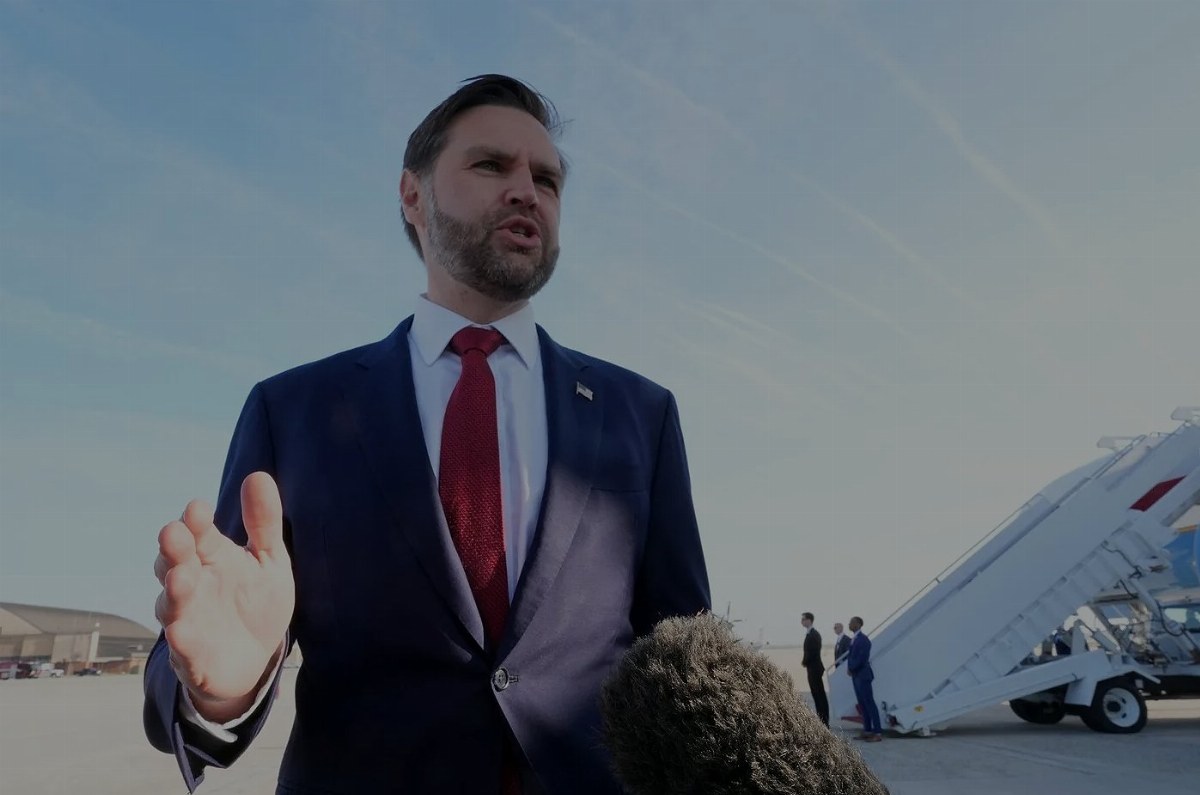
US Vice President JD Vance has canceled his planned trip to Switzerland, where he was set to meet with Iranian negotiators, as critical discussions regarding the implementation of a 14-point agreement between Tehran and Washington are expected to commence. According to a White House spokesperson, this move comes as the two countries aim to end their longstanding conflict.
While US officials announced this week that they would host an official signing ceremony for the agreement in Geneva, the Iranian Foreign Ministry has expressed skepticism about the necessity of such an event, pointing out that the leaders of both nations had already signed the deal on Wednesday.
The Iranian government has indicated its readiness to initiate technical discussions after both parties extended a ceasefire for at least 60 days through this agreement.
Challenges in Negotiation Logistics
However, the news agency Tasnim reported earlier that Iranian negotiators are seeking evidence of US compliance with the provisional agreement before the next rounds of peace talks can begin, and there is still no confirmation that the Iranian delegation will travel to Geneva.
Vance and the US delegation were prepared to depart as soon as negotiations were finalized, according to the White House spokesperson’s statement on Thursday evening.
“However, the logistical aspects of these negotiations have never been straightforward or predictable,” the statement noted.
The diplomatic back-and-forth regarding the planned ceremony and photo session has intensified uncertainties about achieving a lasting ceasefire in a regional conflict that has claimed at least 7,000 lives.
Israel, excluded from the peace negotiations and distancing itself from the US-Iran agreement, has continued its military operations against the militant group Hezbollah in Lebanon, raising further doubts about the agreement’s viability.
Khamenei: Trump Signed Out of Desperation
In Washington, some Republican allies of former President Donald Trump have questioned whether he made too many concessions to resolve a conflict that is widely unpopular among Americans.
Trump had previously stated that he would only end the war with Iran under conditions of “UNCONDITIONAL SURRENDER.” However, the memorandum he signed with Iran includes provisions for lifting economic sanctions, unlocking assets worth tens of billions of dollars, and granting immediate waivers from the US to allow Iran to export its oil.
Iran’s Supreme Leader, Ayatollah Mojtaba Khamenei, remarked that Trump signed the agreement “out of desperation” and indicated that future discussions on Iran’s nuclear program — one of the justifications Trump used for initiating the war — would not be straightforward.
“If the American side wants to be overly demanding, we will not accept this,” he stated in a written message.
Initial Objectives of Trump Remain Unfulfilled
The current agreement allows negotiators 60 days to reach a consensus on the status of Iran’s nuclear program, unless both sides agree to an extension. It also establishes a $300 billion reconstruction fund for Iran and includes other financial incentives.
Vance mentioned that Washington would also seek to restrict Iran’s long-range missile capabilities.
When the US and Israel launched the war nearly four months ago, Trump claimed his goal was to destroy Iran’s nuclear program to ensure it could never develop nuclear weapons, curb Tehran’s ability to attack neighboring countries, prevent it from supporting anti-Israel militants in the region, and provide Iranians with an opportunity to overthrow the regime.
Trump signed the agreement without any of these objectives being met.
Iran May Be in a Stronger Position Now
In the agreement, Iran reaffirmed its long-standing position of not acquiring or developing nuclear weapons, a stance challenged by several American presidents.
It has also accepted the on-site “dilution” of its stockpile of highly enriched uranium and inspections by the International Atomic Energy Agency as a member of the Non-Proliferation Treaty, rejecting Trump’s demand to remove nuclear material from the country.
While US officials assert that negotiations could lead to a robust agreement regarding Iran’s nuclear program, aiming to surpass the 2015 deal between Iran, the US, and other nations that Trump abandoned during his first term, critics argue that Iran is now in a stronger position after withstanding an attack from a superpower, controlling the Strait of Hormuz, and obtaining valuable exemptions from financial sanctions.