The U.S. Central Command (CENTCOM) announced on Thursday that American forces have lifted the blockade imposed on Iran’s ports, although U.S. military vessels will continue to operate “in the general area,” according to reports from CNN.
The blockade was initially established in April, and the decision to lift it came just a day after President Donald Trump signed a copy of the agreement between the U.S. and Iran in France at the Palace of Versailles.
“Today, American forces have lifted the blockade on all maritime traffic entering and exiting Iranian coastal areas, in accordance with the president’s instructions. American forces will not impede the transit of vessels to or from Iranian ports in the Persian Gulf and Gulf of Oman,” CENTCOM stated in a post on platform X.
“All efforts to enforce the U.S. military blockade have ceased. Our large ships will remain in the general area to ensure that all aspects of the agreement are upheld and in effect,” the statement further reads.
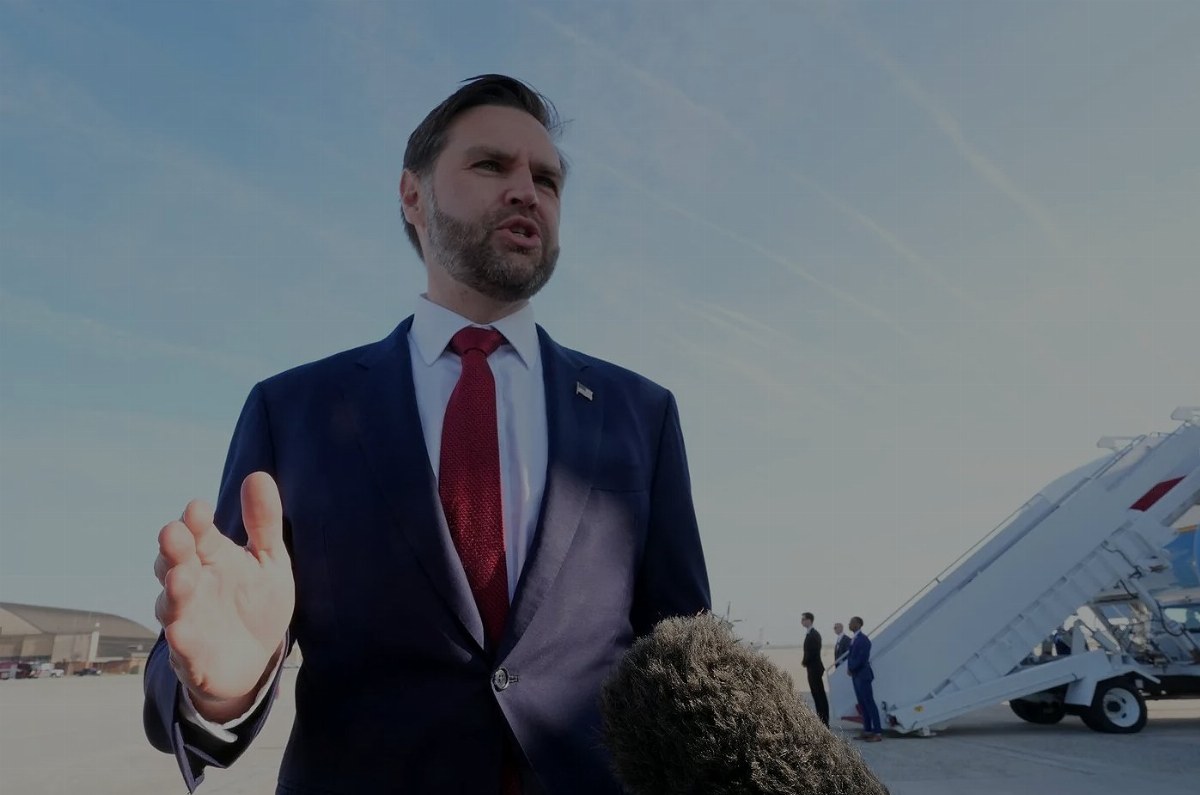
By lifting the blockade, the U.S. is “honoring its initial part of the agreement,” said Vice President JD Vance, noting that the Iranians are also fulfilling their “part of the commitment” by refraining from attacking any ships in the Strait of Hormuz.
U.S. naval forces have maintained significant firepower in the Middle East for months. As of May, there were over 15 destroyers and two aircraft carriers in the region.
Sixty Days to Finalize Agreement
JD Vance announced that today marks the beginning of a 60-day period to finalize a comprehensive agreement, following the recently signed memorandum of understanding between Washington and Tehran.
Time will tell if Iran “complies with the next step” in the plan, the U.S. Vice President added. He mentioned plans to travel to Switzerland for an agreement signing, although he is uncertain when this will occur.
According to Vice President Vance, technical negotiations to finalize the agreement’s details are expected to begin this weekend.
The final agreement, he stated, will also address the long-term operation of the Strait of Hormuz, a critical route for global energy supplies.