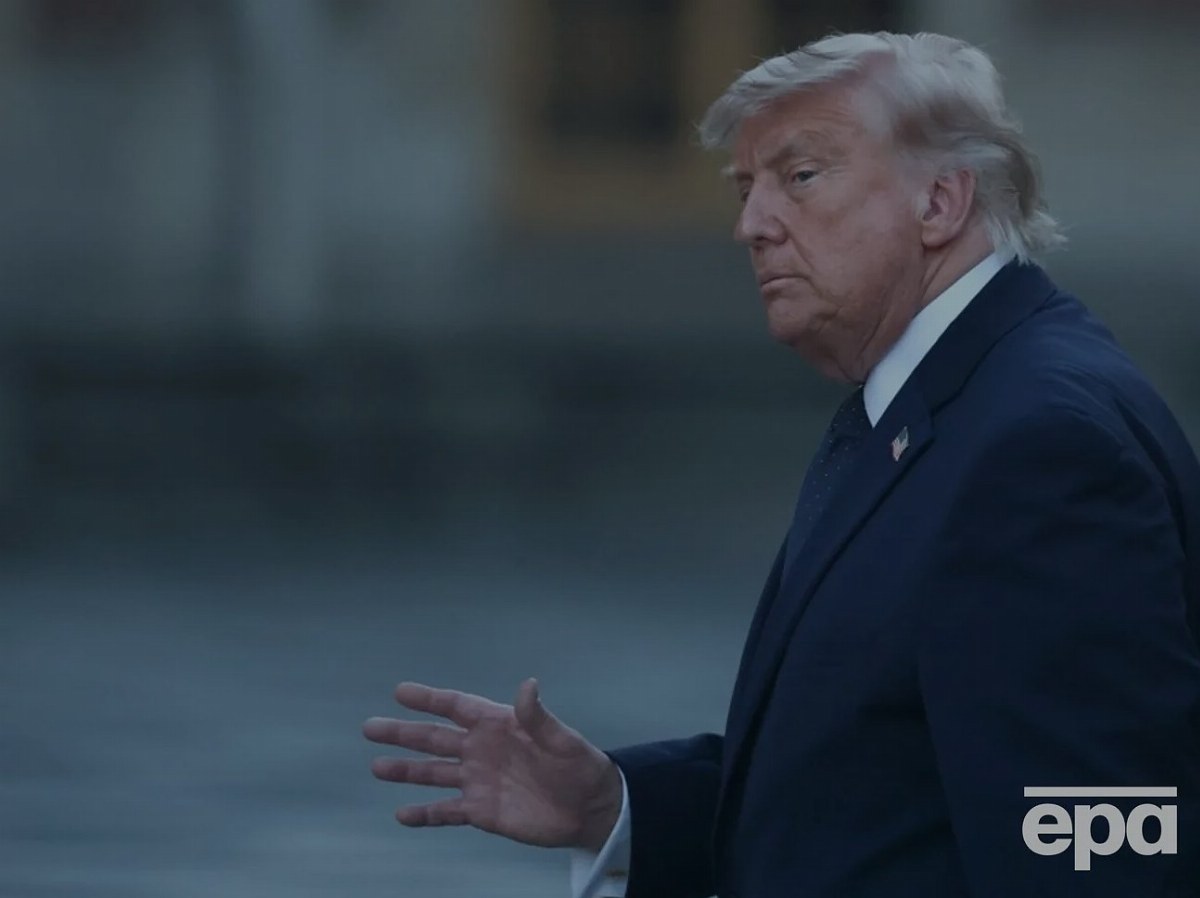
In a surprising shift, former President Donald Trump has agreed to a memorandum with Iran that significantly relaxes previous demands. Reports indicate that before the ongoing conflict escalated, Trump had insisted on stringent conditions, including Iran’s complete capitulation and the end of its nuclear program—demanding no uranium enrichment, no ballistic missiles, and no funding for proxy groups. Furthermore, Trump sought influence over the selection of Iran’s supreme leader.
- Iran will receive a lifting of sanctions on oil sales throughout the negotiation period;
- Tehran must ensure free passage through the Strait of Hormuz within 60 days without additional charges, but may introduce fees afterward;
- Washington, alongside its allies, is set to develop a $300 billion economic support program for Iran;
- Within 60 days, both parties are expected to reach an agreement regarding the nuclear deal;
- Iran could achieve the lifting of all sanctions and access billions in frozen assets and investments, provided it agrees to limit its nuclear activities and “dispose of” its stockpiles;
- Despite acknowledging that a final agreement might not be reached, Trump warned on June 17 that if no deal is made within 60 days, bombings would resume, although he later suggested the timeline could change.
Axios highlights Trump’s unusual downplaying of the memorandum, which he referred to merely as a document rather than a binding agreement. This has drawn ire from members of the Republican Party, particularly Senator Bill Cassidy from Louisiana, who commented that “Ronald Reagan is turning in his grave” over what he termed the worst foreign policy blunder in decades.
Additionally, the memorandum lacks provisions on Iran’s ballistic missile program or its support for terrorist organizations in the region, contrary to Trump’s initial demands.
A senior U.S. official stated that a crucial meeting is scheduled for June 19 in Switzerland, where an American delegation led by Vice President Jay D. Vance will meet with Iranian parliamentary speaker Mohammad Bagher Ghalibaf to discuss the nuclear program negotiations.