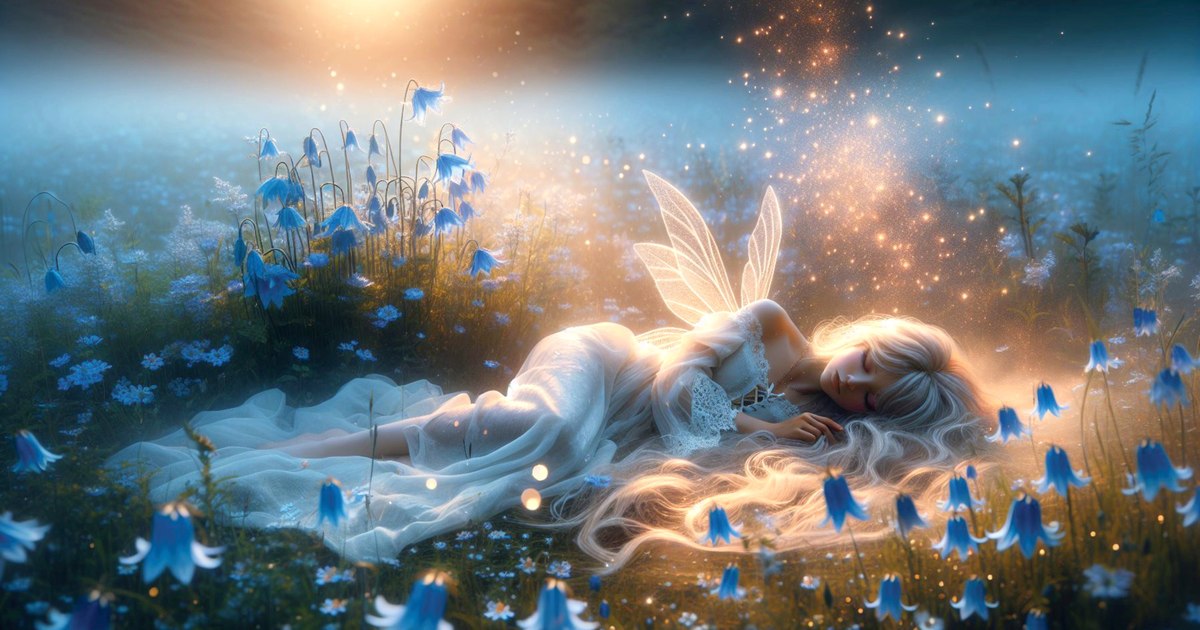
The Night of Sânziene, celebrated every year between June 23 and 24, is considered in popular tradition to be one of the most mysterious and spiritually charged moments of the year. In Romanian beliefs, then the hills appear, and the heavens “open” for a short time.
The sky opens in the night of Sânziene Photo source: Pixabay
In 2026, Sânzienele is celebrated on Tuesday, June 24, and the night from Monday to Tuesday, June 23 to 24, is said to have special powers. According to popular superstitions, it is the time when the seen and unseen worlds come together, and people must observe several customs to avoid attracting bad luck or the wrath of the spirits.
The night when the ghosts appear according to superstitions
In Romanian folk tradition, the night of Sânziene is associated with the appearance of supernatural beings considered extremely powerful. The legends say that the elms or sages walk through forests, fields or through the air, dance in chorus and bring fertility, fruit and healing powers to plants.
It is believed that on the night of June 23 to 24 the heavens open for a few moments, and people who observe the holiday can have luck, health and abundance.
In many parts of the country there was a belief that unmarried girls can dream of a bear if they put sycamore flowers under their pillow before going to bed. Other traditions say that people threw wreaths of flowers over the house, and if they remained hanging on the roof it was a sign of good luck and long life.
Conversely, those who did not observe the holiday risked incurring the wrath of the elders. In Romanian folklore, they could bring storms, hail, diseases or other misfortunes.
What are ieles in the Romanian tradition
In folk mythology, fairies are depicted as supernatural female beings, extremely beautiful, but also dangerous when angry. In some regions, they are associated with Easter or Pentecost.
Legends say that they dance at night in hidden circles through forests and fields, and the places where they danced remain burned or barren. Folk lore also says that people who catch them dancing can be punished.
Sânziene, however, also have a protective side. In ancient beliefs, they had the role of protecting crops, bringing timely rain, multiplying animals and healing the sick.
The holiday has pre-Christian origins and is linked to the summer solstice. Later, it was associated in the Orthodox calendar with the Nativity of Saint John the Baptist, celebrated on June 24.
Linguists say that the name “Sânziene” would come from the Latin expression “Sanctus Dies Iohannis” – “Saint John's Day”. Other theories link the name to the Daco-Roman goddess Diana.
The sky opens in the night of Sânziene
One of the most famous popular beliefs says that on the night of Sânziene “the heavens open”. The moment is associated with a special balance of nature and the closeness between the human and spiritual worlds.
In ancient times, people considered this night to be favorable for prayers, protective rituals and gathering medicinal plants. The flowers and herbs picked then were said to have the most powerful healing properties.
Popular tradition also says that after Sânziene, the return of summer to winter begins, symbolically: the days begin to shorten, and nature gradually enters a new stage.
In many villages, women wove wreaths of sycamore flowers and kept them at gates, windows or icons for the protection of the house and the increase of the household.
Other superstitions of Sânziene
The Sânziene have numerous prohibitions and customs preserved from generation to generation.
In some areas it is said that it is not good to work on June 24, especially in the fields, so as not to upset the deer. The popular tradition also says that the flowers of sânzien should not be picked before this date.
There is also the belief that the morning dew from Sânziene has healing powers. Some women bathed with it for beauty and health, and the plants harvested during this period were kept over the year for cures.
In the popular calendar, June 24th is also known as Drăgaica or “Cap de văra”, because it marks the period when the Sun reaches its apogee.
The representatives of the Church, however, drew attention over time that superstitions should not be confused with religious teaching.