According to information provided by independent Russian media, the restrictions are related to the intensifying attacks by Ukrainian forces on Russian oil infrastructure, which affect the production capacity of the domestic refining sector.
Read also: There was no fuel in Crimea. Russians pour this type of gasoline into their cars
According to journalist Ksenia Sobczak, quoted by independent media, On Friday, fuel sales restrictions were introduced at Tatneft stations in Moscow. AI-92 and AI-95 petrol can be purchased up to a maximum of 20 liters per customer, while diesel can be purchased up to 40 liters. Similar rules will also apply to the network's stations in St. Petersburg.
On the other hand Rosneft has set a limit of 90 liters of fuel per tank or canister in the capital.
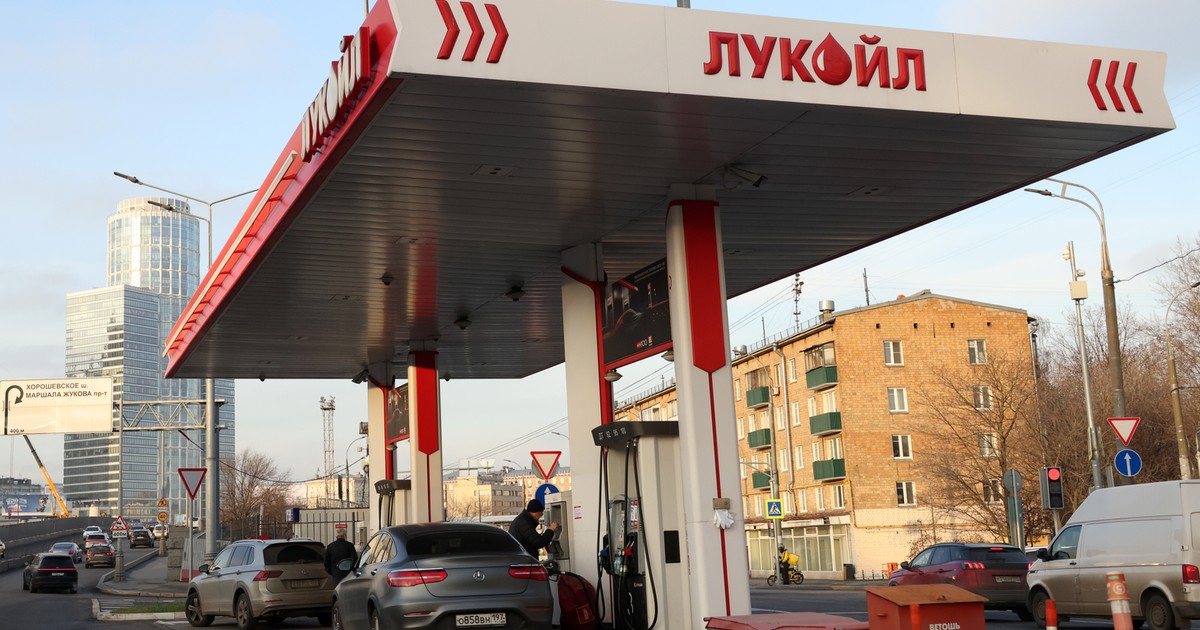
He also introduced restrictions Lukoil, which is to sell no more than 100 liters of gasoline or diesel oil per receipt.
Problems have been visible for several weeks
As Medusa notes, signals about the deteriorating situation on the fuel market appeared already at the end of May. At that time, the ORTK network limited sales to 60 liters of gasoline and 100 liters of diesel oil per customer. In turn, Gazprom stations have introduced limits ranging from 100 to 150 liters of fuel per person.
Read also: Russia blocks gasoline exports. Moscow points to market instability
At the time, Rosneft and Tatneft assured that they were not applying centrally imposed restrictions. However, the companies stipulated that: individual stations can independently decide to introduce limits depending on the local situation.
Attacks hit Russian refineries
The scale of the problem is shown by data quoted by Bloomberg. According to her calculations from January to May, Russian refineries were the target of 38 attacks, of which as many as 16 were recorded in May alone. As a result, the processing capacity of the Russian refining sector was to decrease by approximately 14%. since the beginning of the year and is currently close to 20%. lower than before Russia launched its full-scale invasion of Ukraine.
Additionally, at the end of May, Reuters reported that almost all large refineries in central Russia were forced to temporarily suspend operations or reduce production.