The European Union plans to expand the sanctions list by another 42 people. Among them are well-known Russians, for whom former Hungarian Prime Minister Viktor Orban consistently opposed restrictions. Radio Liberty wrote about this on June 9, with reference to a document with a proposal for the 21st package of EU sanctions, which was at the disposal of the editors.
Leading Russian businessmen, heads of defense enterprises, banks and cryptocurrency projects who are included in the “black list” may face a ban on entry into the EU and the freezing of their assets on its territory. The media mentions eight names.
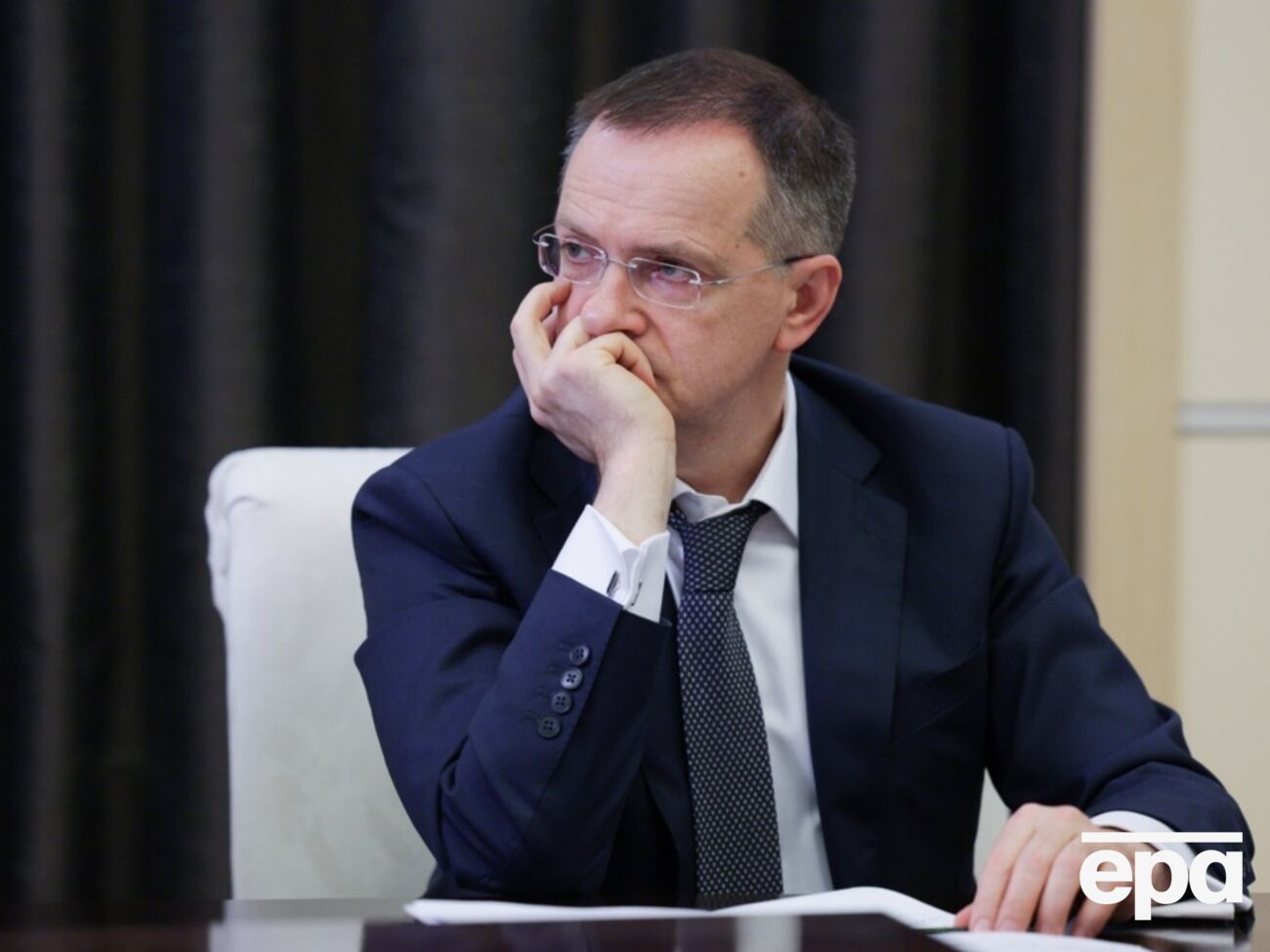
The publication notes that one of the “most prominent figures” on this list is the Russian historian, assistant to the illegitimate president of the aggressor country of Russia Vladimir Putin, Vladimir Medinsky, who led the Russian delegation at the negotiations to end the war in Ukraine. He is called “the central figure of government propaganda.” Medinsky’s textbooks mentioned in the document present Ukraine as part of the “Russian world”, contain a defense of the so-called special military operation (as the war against Ukraine is called in the Russian Federation) and deny the abduction of Ukrainian children by the Russian side. The publication draws attention to the fact that Medinsky became a candidate for persona non grata of the EU against the backdrop of European discussions about possible negotiations with Russia.
Another contender for the “black list” is the head of the Russian Orthodox Church, Kirill (Vladimir Gundyaev). Sanctions against him had been considered before, but “at the last moment they were removed from the list,” the media stated. An internal EU document says Gundyaev “consistently justified and supported Russia's aggressive war against Ukraine” and called it “sacred.”
Personal sanctions may also be imposed against the Russian oligarch Iskandar Makhmudov, the owner of a Russian manufacturer of locomotives, railway equipment and rolling stock. In the EU, he is considered a “key defense industry contractor,” the media reported.
Also at risk was the co-owner of Lukoil Vagit Alekperov. An internal EU document states that Alekperov was in a meeting with Putin in the early days of the full-scale invasion of Ukraine, where Western sanctions and their impact were discussed. The EU believes that inviting him to this meeting indicates his closeness to Putin’s circle. It is also indicated that the businessman is involved in work in economic sectors that generate significant income for the government of the Russian Federation, which is “responsible for the annexation of Crimea and the destabilization of Ukraine.”
The founder of conglomerates with interests in oil, coal, real estate and retail trade, Mikhail Gutseriev, may also be subject to sanctions. Gutseriev's business interests in the energy sector, according to the EU, “play a significant role in the mechanisms supporting the revenue flows of the Russian state budget during the war in Ukraine.”
Current Russian Sports Minister Mikhail Degtyarev, who called himself “Putin’s soldier,” is the next candidate. He promised to support the rehabilitation of Russian soldiers who fought against Ukraine through sports. Among his priorities is the development of sports infrastructure in the Ukrainian territories occupied by Russia, Radio Liberty noted.
The President of the International Chess Federation, Arkady Dvorkovich, who held senior positions in the Russian government, is another who could become persona non grata in the EU. He publicly supported the annexation of Crimea and called the occupied Ukrainian cities “new territories” of the Russian Federation.
The general director of Gazprom-Media Holding, Alexander Zharov, also faces personal restrictions. It is a state media conglomerate in Russia that is the main instrument of the Kremlin's military propaganda and information operations. The EU believes that the company under the leadership of Zharov performed an “ideological task” to shape public opinion regarding Russia’s war against Ukraine, the publication states.