According to the authors of a new report by the European Council on Foreign Affairs (ECFR), many Europeans have realized that Europe can no longer rely on its former ally, the United States.
Approximately 19,000 people took part in the survey on foreign and security policy. people from 15 countries in Eastern, Central, Western and Southern Europe. Already only 11 percent respondents perceive the USA as an ally. Just after Donald Trump's victory in the November 2024 elections, 22 percent respondents believed they could rely on the United States as an ally.
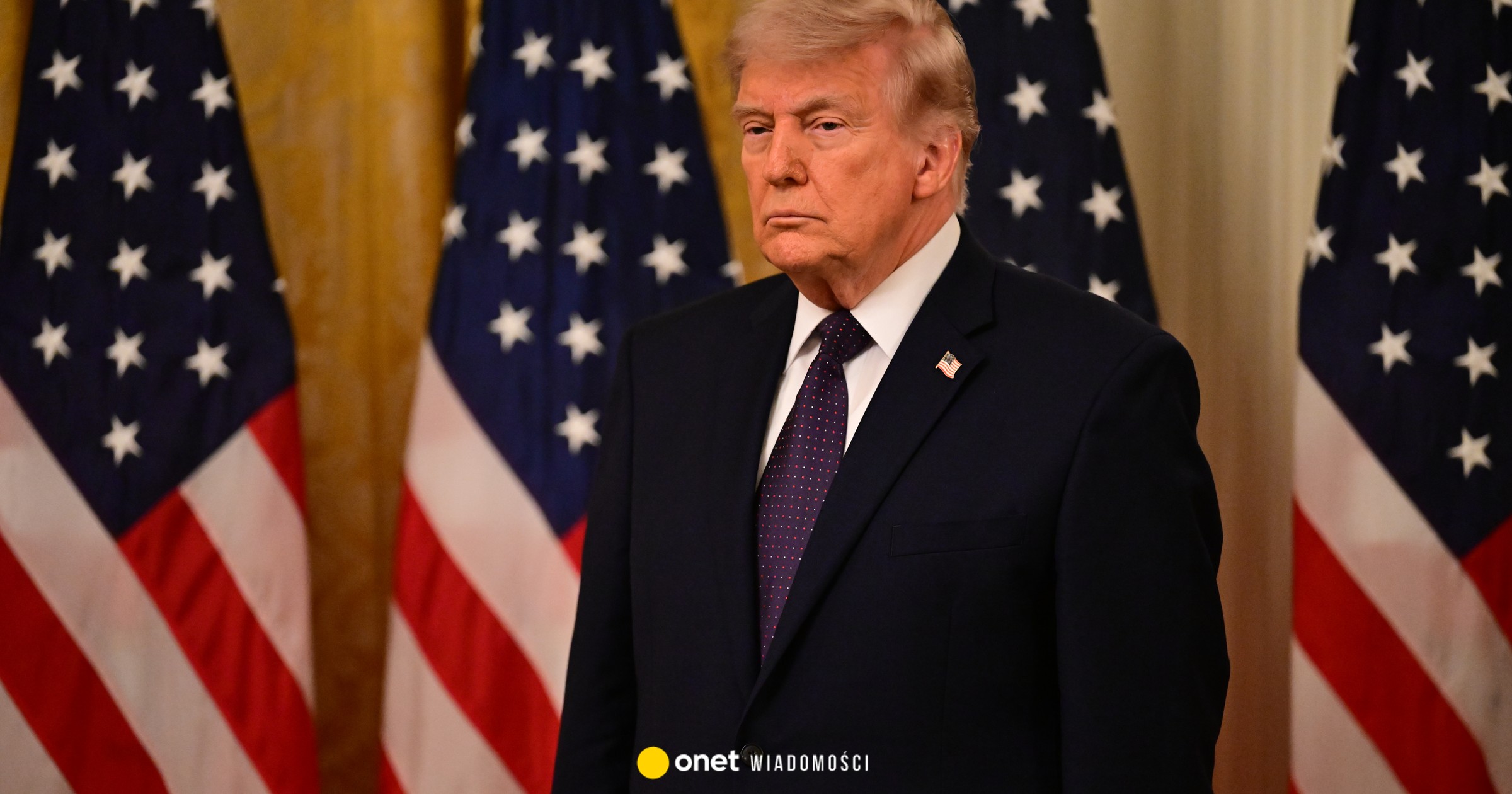
No one expected then that President Trump, who adopted the slogan “America First”, would threaten to annex Greenland or attack Iran with no apparent strategy.
Currently, approximately one fourth of respondents perceive the USA as rival or even enemy. In this situation, it is not surprising that most doubt that the United States will provide military support to their country in the event of an attack.
External pressure causes European countries to tighten cooperation. In almost all countries surveyed, majorities trust that at least some European countries would provide military support in the event of an attack. This applies even to voters of Eurosceptic parties such as the French National Rally (RN), Italy's Italian Brothers and the Dutch Party for Freedom (PVV).
Stronger solidarity also fosters a greater willingness to consider controversial financing methods. Almost half of respondents support it taking on joint debt to increase defense spending. The majority of voters of the ruling parties in Germany, the Netherlands and several Scandinavian countries are also in favor of such a solution, although they have so far warned against such a step.
Ukrainian ally
For residents of EU countries, it is not only their own safety that is important. Many people also feel a bond with neighboring Ukraine. In most of the countries surveyed, this country is perceived primarily as an ally or an indispensable partner – even though the support provided during the war, which has been going on for over four years, has entailed significant costs.
However, neighborly relations remain cold. Neither Ukraine's membership in the EU nor the sending of a European peace mission after the end of the war currently enjoy broad public support.
Although solidarity with Ukraine has its limits, the distance towards Russia remains large. Despite high energy prices, most respondents are against returning to imports of Russian raw materials. In 14 out of 15 countries there is a prevailing will to make energy supplies independent and to base them on domestic sources.
44 percent respondents consider a return to Russian energy to be a good idea “bad” or “very bad” idea. Only 27 percent assesses the import of Russian energy as a “very good” or “rather good” idea. However, among voters of the Alternative for Germany (AfD) or RN, the return to Russian energy is clearly more approved, according to the survey.
New US priorities
Expectations towards normalization of transatlantic relations after the end of Donald Trump's term of office are high. More than half of respondents believe that the damage caused by his presidency is only temporary.
Leonard Schutte, an international security expert from Harvard University, warns against excessive optimism in an interview with “Die Welt”. — There is still a strong desire in society to return to old transatlantic ties. However, this will not happen, he says.
The article continues below the video
If a Republican wins the presidential election again in 2028, he can pursue politics even more ideological than Trump. Even a relatively moderate candidate like Marco Rubio tends to be considered a Eurosceptic. In such a case, it is difficult to expect significant improvement, says Schutte.
A democrat's victory would be more beneficial for Europeans, but it would not change the fact that the US today focuses its security policy more on the Indo-Pacific region than on Europe.
I then expect rather balanced transatlantic relations, perhaps more predictable, but not as deep as in previous years
says Schutte.
Quick decisions
From this perspective, the study results reveal an interesting contradiction. On the one hand, trust in the US as a partner has been achieved historical minimum. On the other hand, most citizens expect a quick return to normality. As the end of Trump's presidency approaches, broad support for a more independent European defense policy may begin to wane.
If the economic situation deteriorates at the same time, this trend may accelerate even further. Research shows that new economic crisis is one of the biggest worries of Europeans.
Whether European governments manage to contain the energy crisis will also determine the level of public confidence in defense policy and support for Ukraine.
The authors of the report recommend that European decision-makers use the room for maneuver as long as they have public support. “The newfound realism of European public opinion must be used quickly. Otherwise, it may simply fade away,” they write.
I’m Ashley Davis as an editor, I’m committed to upholding the highest standards of integrity and accuracy in every piece we publish. My work is driven by curiosity, a passion for truth, and a belief that journalism plays a crucial role in shaping public discourse. I strive to tell stories that not only inform but also inspire action and conversation.