According to Rosemary DiCarlo, UN Under-Secretary-General for Political Affairs and Peacebuilding, during Monday's meeting of the UN Security Council, preliminary data indicate that the number of civilian casualties recorded in May exceeded the number recorded in April.
“There are no signs of slowing down,” DiCarlo said.
— With each passing year of war, more civilians die than in the previous one she said. “It is obvious to everyone that the conflict is intensifying,” she added.
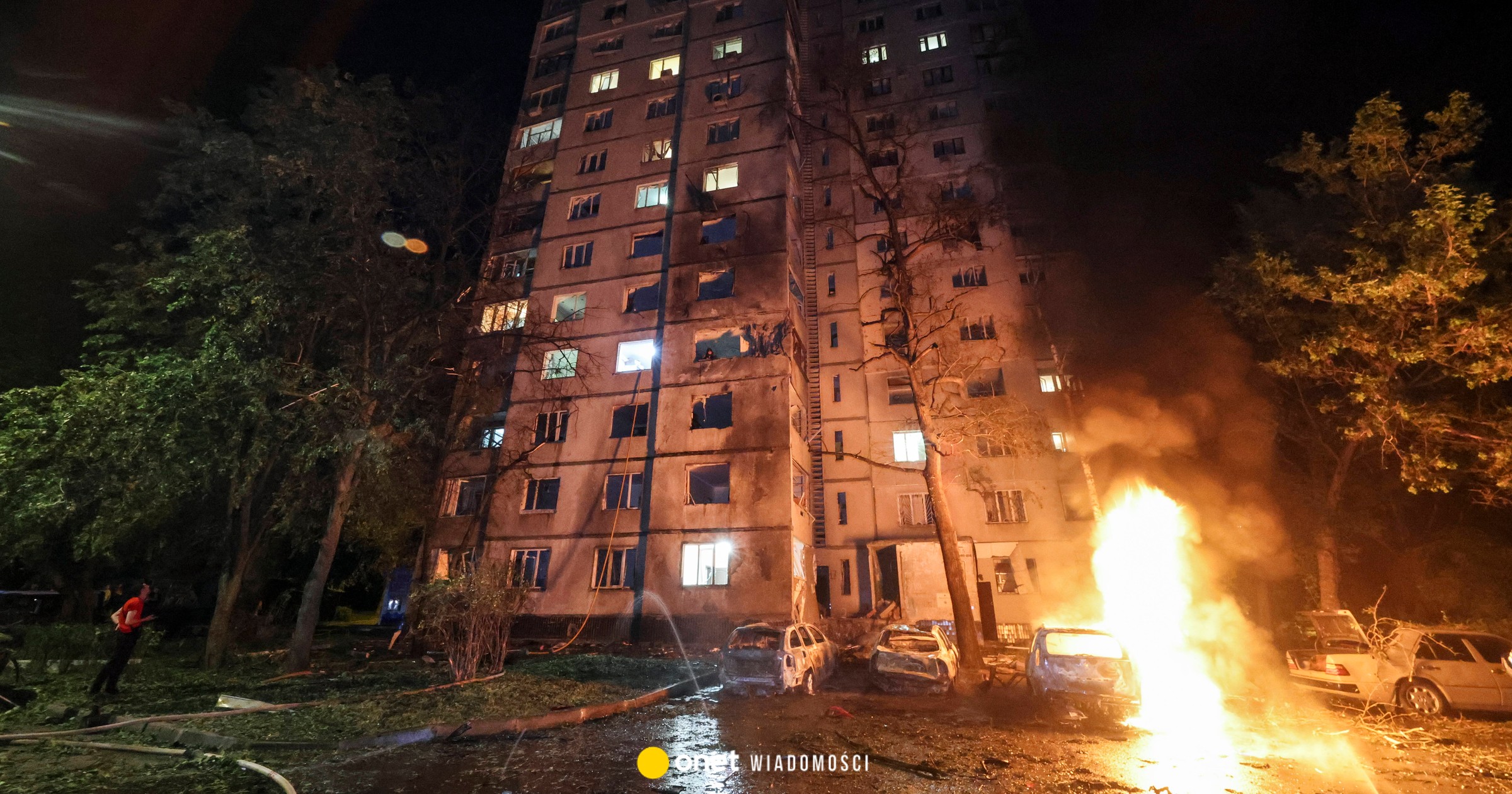
May saw some of the heaviest bombing of Ukraine since the beginning of the war.
On May 13-14, Russia within 24 hours shot over 1.5 thousand drones and 56 missiles, the largest attack ever. Subsequent firings often involved the use of more than 600 drones and around 60 missiles in a single wave.
In early June, Ukrainian intelligence warned that Russia was capable of firing up to 100 ballistic missiles a month without damaging its stockpiles.
More than 15,000 deaths have been confirmed. civilians
According to the Office of the United Nations High Commissioner for Human Rights (OHCHR) 15,850 civilians have been killed in Ukraine since 2022, including 791 children.
Another 44,809 people, including 2,752 children, were injured, but the real numbers are likely much higher, according to the UN.
“The UN strongly condemns all attacks on civilians and civilian infrastructure, regardless of where they occur,” DiCarlo said. “Such attacks are prohibited under international law and must stop immediately,” she said.
The UN expresses concern about the situation at the Zaporozhye nuclear power plant
DiCarlo also highlighted the continuing threats posed by the Zaporozhye Nuclear Power Plant (ZNPP), the largest nuclear facility in Europe that remains under Russian occupation.
On the same day, the IAEA confirmed that external power had been restored to the plant, ending a dangerous 15-hour power outage. During the prolonged power outage — one of the longest since the beginning of full-scale war — the plant relied entirely on emergency diesel generators to keep the critical cooling systems of its six shutdown reactors running.
Even though power was restored, DiCarlo warned that the situation remains uncertain.
The UN reiterated that any prolonged interruption of external energy supplies could significantly increase the risk of a nuclear disaster, and called for a halt to all military activities near the plant.