The United States is preparing a painful measure for Iran. They are already calculating what damage the Gulf states have suffered

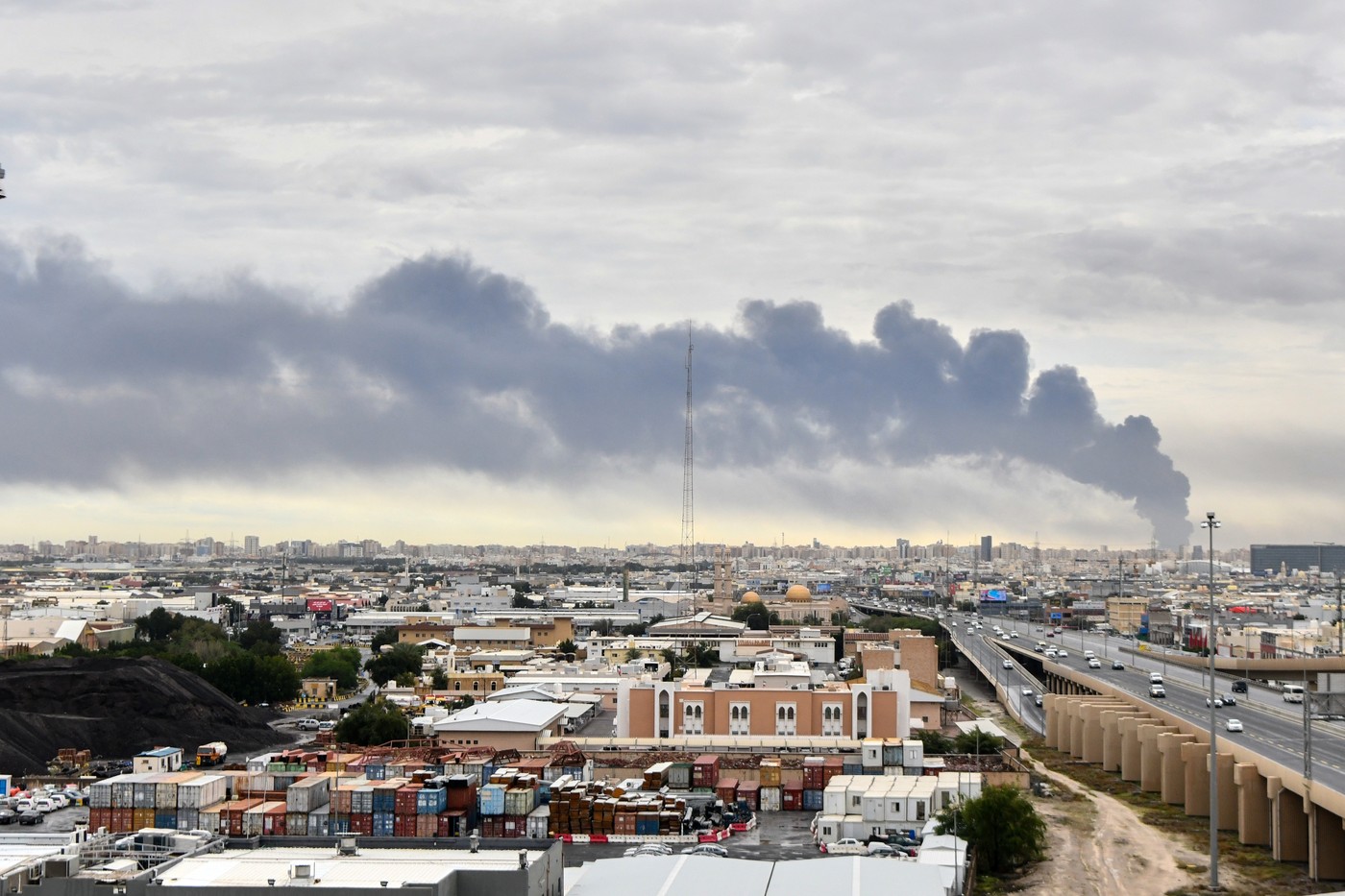
The US government will try to redirect Iranian assets to the Gulf states to rebuild and repair the damage caused by Iran, a source familiar with the situation told Reuters, as Tehran continued its wave of attacks against Kuwait and Bahrain with new drone launches.
US Treasury Secretary Scott Bessent has commissioned a team to assess the cost of damage already inflicted on Gulf allies by Iran, the source said, adding that the United States would also consider using Iranian assets to repair any future damage.
The revelation came a day after Mohsen Rezaei, an adviser to Iran's supreme leader, told CNN that a peace deal to end the three-month war hinged on the release of $24 billion in Iranian assets frozen by the United States.
The Reuters source did not specify what kind of assets the US Treasury is looking at. The language used to describe the new measures does not appear to be limited to seized assets.
The threat of diverting Iranian assets could create a new strain on the fragile truce between the United States and Iran, which was put to the test again this weekend by attacks launched by the US and Iran.
Negotiations are going nowhere, for now
Peace talks appear to have stalled, although a minister from Pakistan, the mediating country, traveled to Tehran on Saturday with a letter for Iran's supreme leader, Ayatollah Mojtaba Khamenei, according to Iran's ISNA news agency.
The United States and Iran have held largely indirect talks on an interim deal to end the three-month-old war, which would leave issues such as Iran's nuclear program up for further negotiations.
But an agreement remained an elusive goal as the two sides exchanged blows from time to time.
Tehran wants access to billions of dollars in oil revenue, waivers from sanctions on crude exports, lifting of the US blockade of its ports and control of the Strait of Hormuz.
Pakistani minister in Tehran with a “special letter”
Iranian state media reported that Pakistani Interior Minister Mohsin Naqvi arrived in Tehran on Saturday for talks with Iranian officials, including Foreign Minister Abbas Araqchi.
Naqvi said he was bringing a “special letter” from his country's army chief and prime minister to Khamenei, ISNA reported.
Trump is facing increasing domestic political pressure due to rising gas prices due to this unpopular war.
He told NBC that while most of Iran's drone and missile production facilities have been destroyed, the Iranians still have about a fifth of their missiles.
“They've got some missiles, they've got some drones. I'd say percentage-wise, maybe 21 percent to 22 percent of their missiles. That's a lot of missiles, but it's not what it was when we first attacked,” said