When you have already paid for everything and open the door of your room with bated breath, the most exciting moment of the check comes. How to distinguish a potentially problematic hotel from a really good one at the booking stage and what to do if reality no longer matches expectations? Together with experts, we analyze the main indicators that will help you not make a mistake in your choice.
Filtering reviews: what is really worth paying attention to
Ratings in aggregators can be deceptive: you can get the wrong impression both because of custom-made rave reviews and because of the subjective negative emotions of specific people.
The head of the PR department of the Palmira Art Hotel, Yulia Morozova, recommends considering hotels that have at least 100 reviews. If negative comments amount to more than 15%, this is an alarming signal.
Look for the golden mean: Don't believe blind delight (especially if it is expressed in general phrases, probably written by AI) or angry sheets. The most objective picture is given by neutral reviews with a rating of 3 out of 5, where travelers describe in detail both the pros and cons.
If different people write about the same problem at different times (for example, mold in the bathroom), this is not an accident, but a systemic problem.
The hotel could change its management company, update the furniture, or, conversely, “grow old” in a couple of years. Always check the last 10–20 reviews to understand what is happening now, writes life.ru.
Let's keep our eyes open: how not to get caught in a beautiful picture
Photos in official catalogs may be outdated, photoshopped, or even generated by neural networks. Here are three practical tips on how to weed out the “pig in a poke”:
Look on social networks: Instead of glossy pictures from the website, look for live photos and videos from real guests.
Map: Be sure to open the hotel location on Google Maps. Using Street View mode, you can estimate how far from the beach it is, whether there are construction sites around, and what the area looks like.
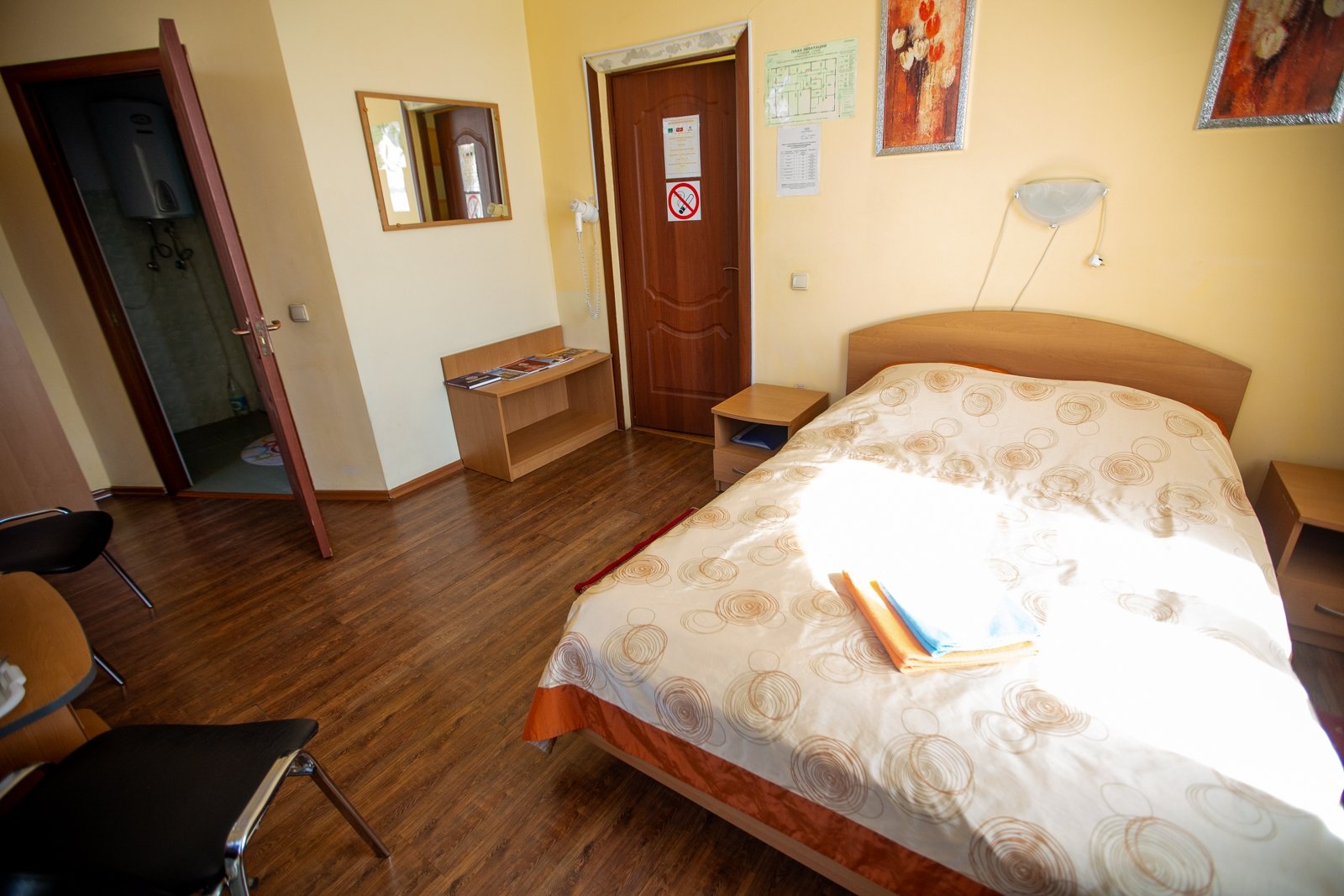
Attention to detail: Travel expert Valentina Lyubaeva advises looking at the little things in the photo: outdated furniture design may indicate that the hotel has not been renovated for many years.
Checklist when moving in: how to play it safe and not be deceived
If you have already checked in and realized that your vacation is under threat, you have a weapon – immediate fixation. You can't hesitate for a minute.
Turn on the camera: As soon as you see a discrepancy (mold, broken lock, dirty bed linen), immediately film it with your phone. Photo and video evidence is your main trump card for getting your money back.
Inspecting the little things: Experts advise taking a sniff (a musty smell may indicate leaking pipes) and checking the integrity of the packaging of hygiene products – a broken membrane on shampoo is a sign of poor hygiene and economy.
Zero test: Open the tap and check the water pressure, turn on the air conditioner and TV, evaluate the density of the mattress. In an expensive hotel, a non-working air conditioner is a direct violation of standards, for which you can demand compensation.
We go to the reception: Politely but persistently report problems. Hoteliers often go to great lengths to save their reputation. If they refuse to help you, you already have evidence, and you should contact the support service of the aggregator through which the booking was made.